
Mr. Michael Angelo T. Tiu, a Master of ASEAN Studies (MAS) graduate and now a lecturer in the ASEAN Studies Program, participated as part of the Philippine delegation of the Department of Finance–National Tax Research Center (DOF–NTRC) at the 21st ASEAN Finance and Taxation Meeting (AFT), held in conjunction with the 18th ASEAN Sub-Forum on Excise Taxation (SF-ET) from 28 to 30 October 2025 in Penang, Malaysia. The forum convened tax policy experts, researchers, and government officials from ASEAN Member States (AMS) to exchange insights on regional excise taxation issues.
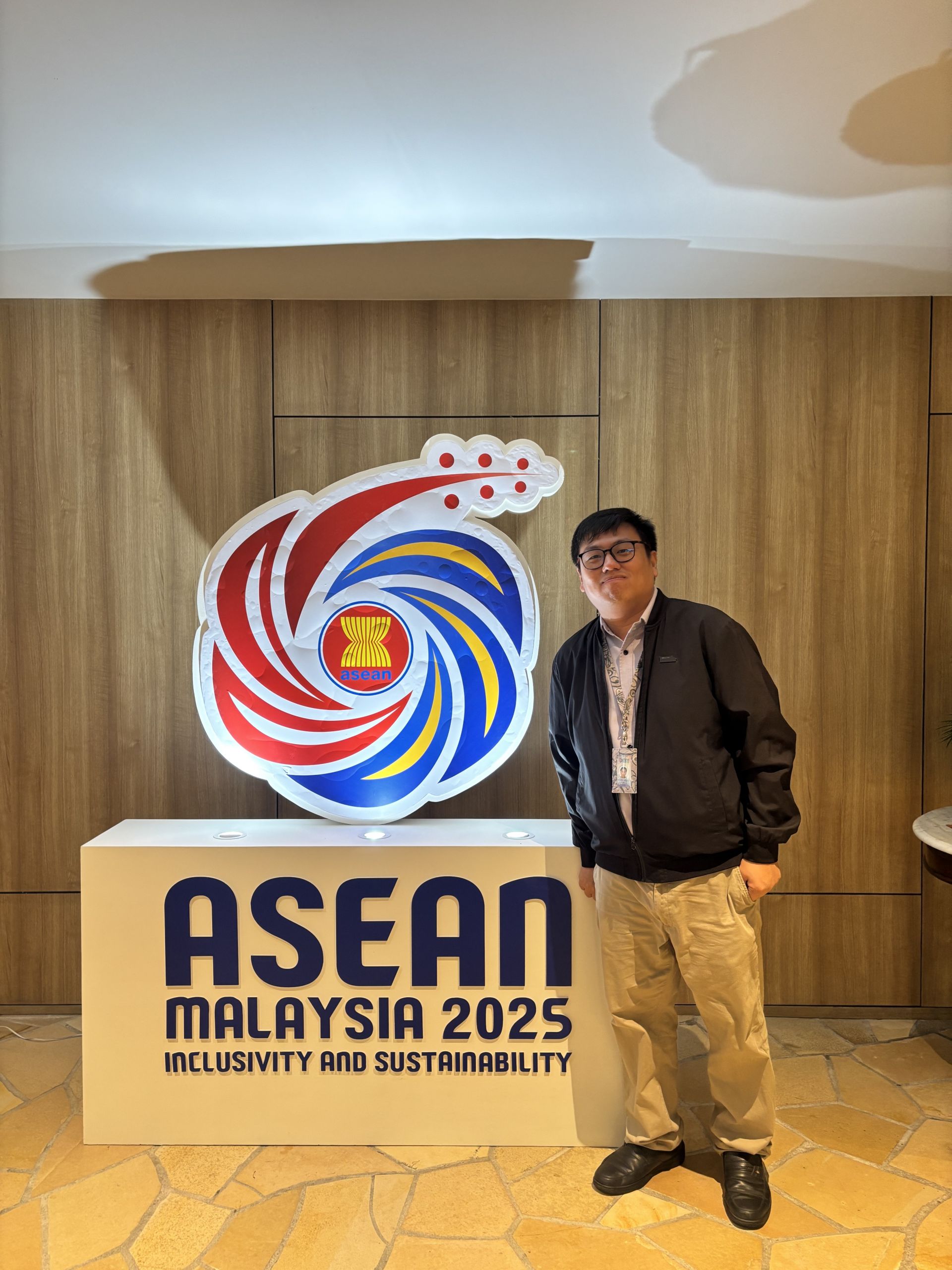
Mr. Tiu attending the 21st AFT Meeting
As part of the Philippine delegation, Mr. Tiu participated in technical discussions on excise tax policy design, administration, and regional best practices, highlighting the role of taxation in revenue generation, public health promotion, and sustainable development. The SF-ET provided a venue for examining emerging challenges such as illicit trade, new excisable products, and policy coordination within the context of ASEAN economic integration under the ASEAN Economic Community.
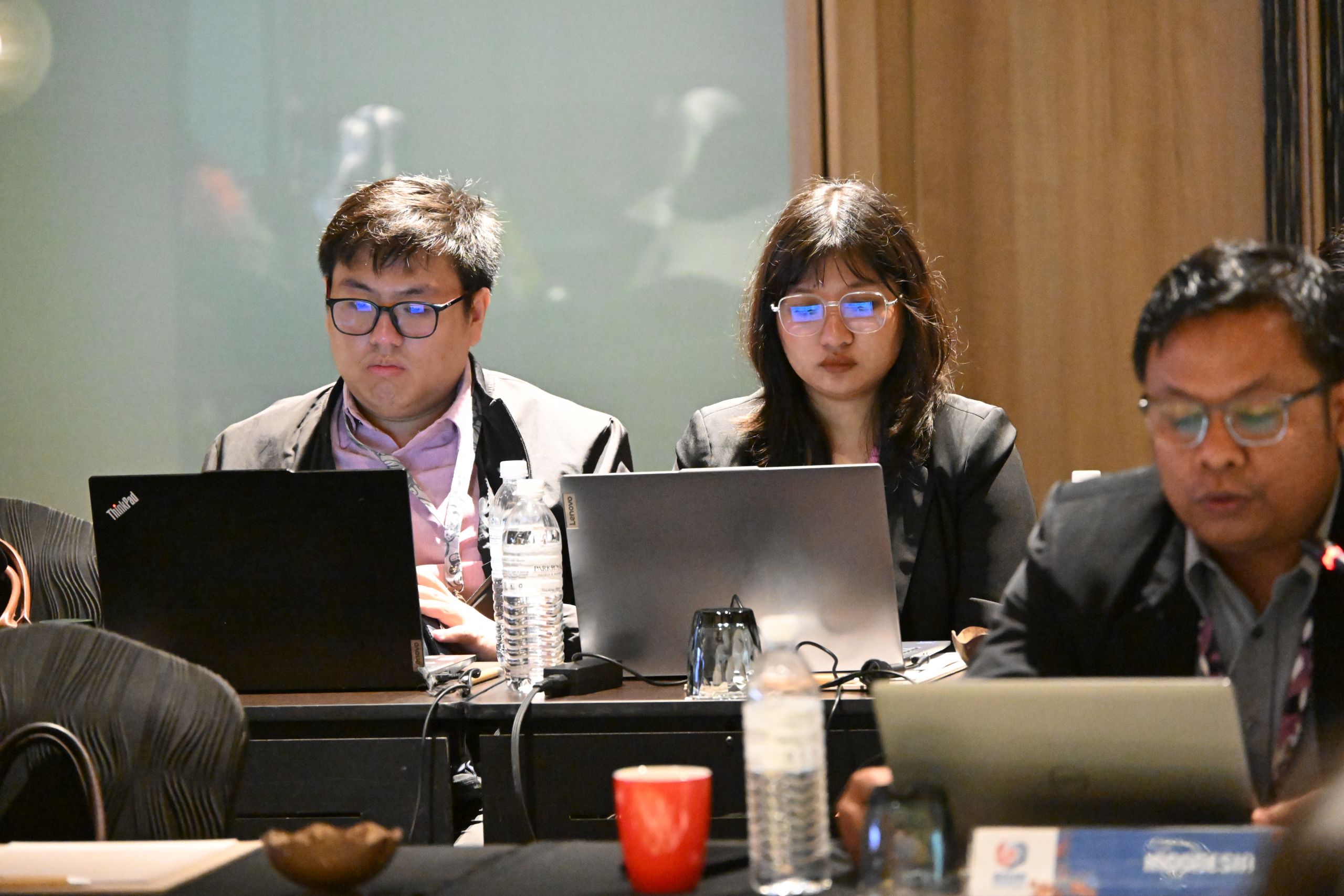
Mr. Tiu attending the technical sessions of the 18th SF-ET
According to Mr. Tiu, the meeting served as a meaningful intersection of his academic training and policy practice, where concepts on regional diplomacy and dynamics discussed in his coursework became evident in the interactions and positioning of participating AMS. He further noted that the AMS-level discussions on fiscal and taxation issues complemented his graduate studies in economic cooperation and regional institutional governance, allowing him to better appreciate the experience in relation to both his coursework and his master’s thesis.
His participation in the 18th SF-ET reflects the shared commitment of UPOU and the DOF–NTRC to peer engagement and capacity-building efforts among AMS in the area of fiscal cooperation. It likewise contributed to his exposure to the realization of the United Nations Sustainable Development Goals (SDGs), particularly SDG 4 (Quality Education) through applied academic learning, SDG 16 (Peace, Justice, and Strong Institutions) through the promotion of effective fiscal governance, and SDG 17 (Partnerships for the Goals) through sustained ASEAN cooperation in fiscal policy.
Written by: Lorena Jean Saludadez • Edited by: Larry N. Cruz
Sustainable Development Goals


FMDS Socials