
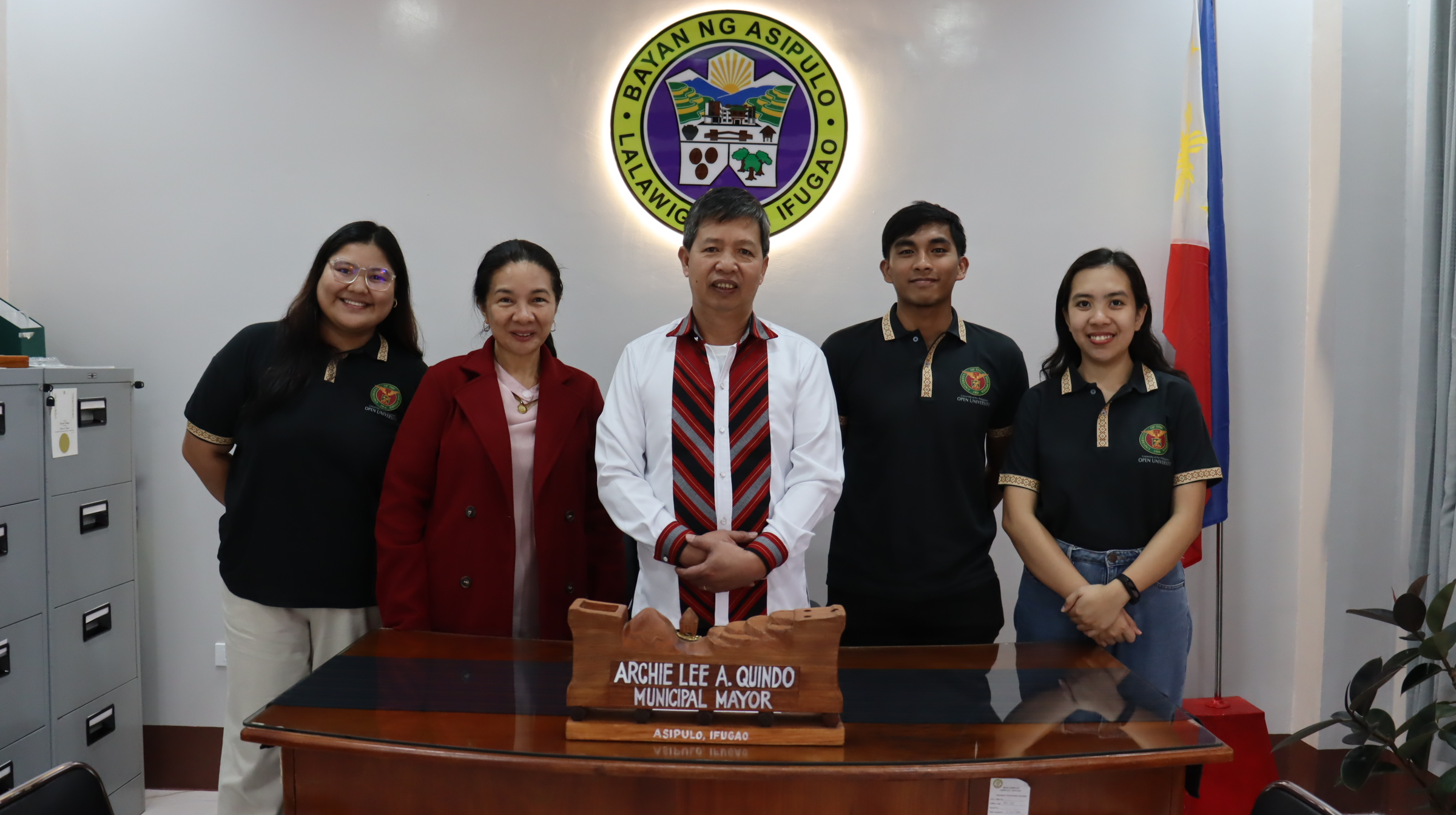
The team for the project titled “Enhancing the Sustainability, Profitability, and Inclusiveness of the Coffee Value Chain Involving IP Communities: The Case of Kiangan and Asipulo, Ifugao and Patikul, Sulu” conducted a site visit in Ifugao. Two among the three project sites are located in Ifugao, and in continuation of the project activities, the team conducted an activity both in Kiangan and Asipulo last 22-24 February 2026, which was attended by Ms. Marissa P. Bulong (Project Collaborator from IFSU), Ms. Mary Grace Campollo and Mr. Jeremy D. Dulnuan (Project Technical Assistants), Ms. Janele Ann C. Belegal (Resource Person), and Ms. Vanessa T. Autor (Technical Support Staff).
On 22 February, the team conducted observational visits to coffee shops to map and locate where the coffee of Kiangan and Asipulo is being marketed. Three cafes were identified as users of Kiangan and Asipulo coffee, and the team was able to conduct short interviews with the point persons of the businesses. The project team found that the quality coffee in Ifugao, particularly in Kiangan and Asipulo, has market potential, with the presence of high-grade single-origin varieties. However, the volume of production remains limited. The team also interviewed the owner of Palazzo Cafe and representatives from Ifugao Kape and Punkopehan by Hojap.
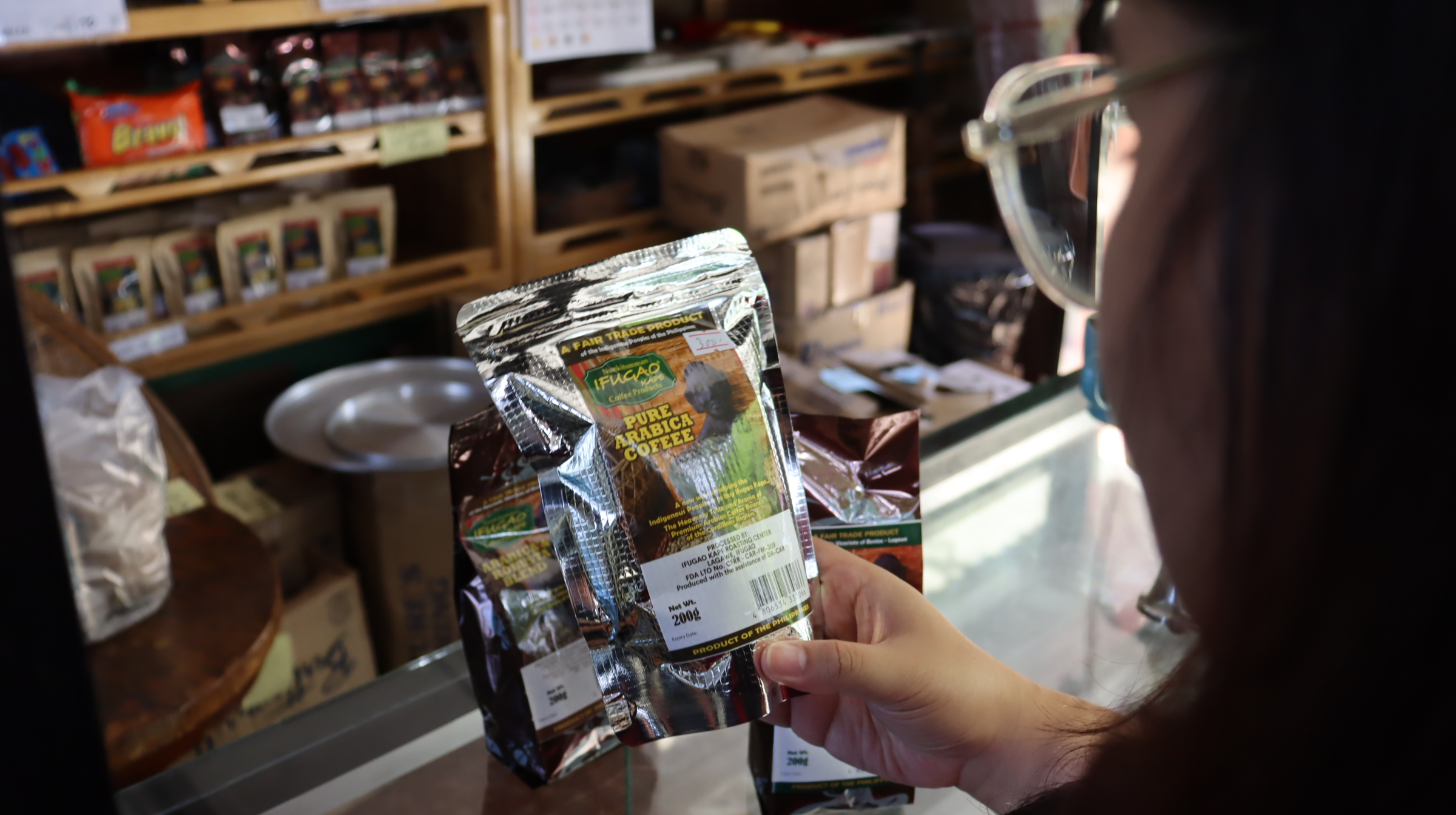
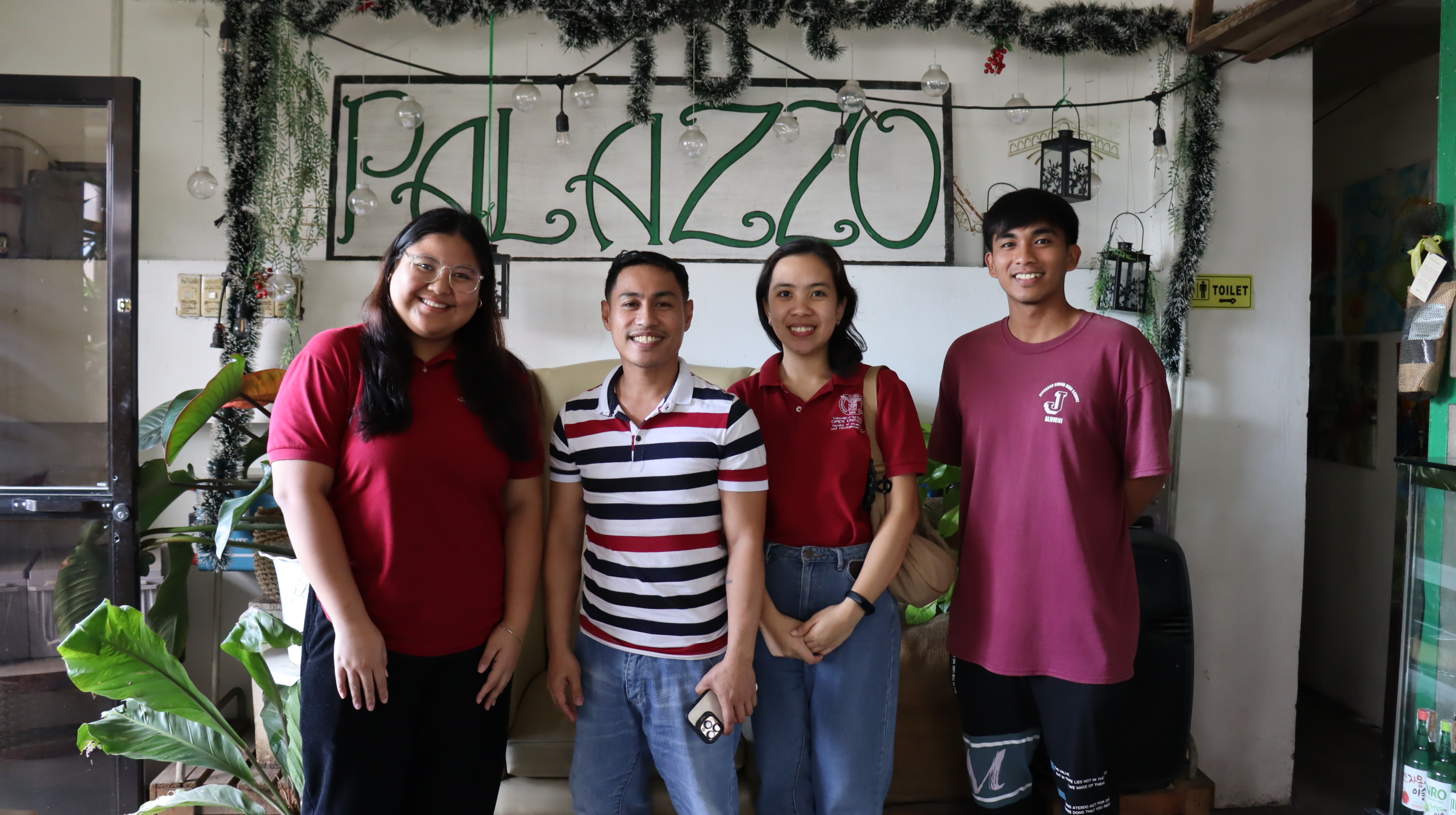
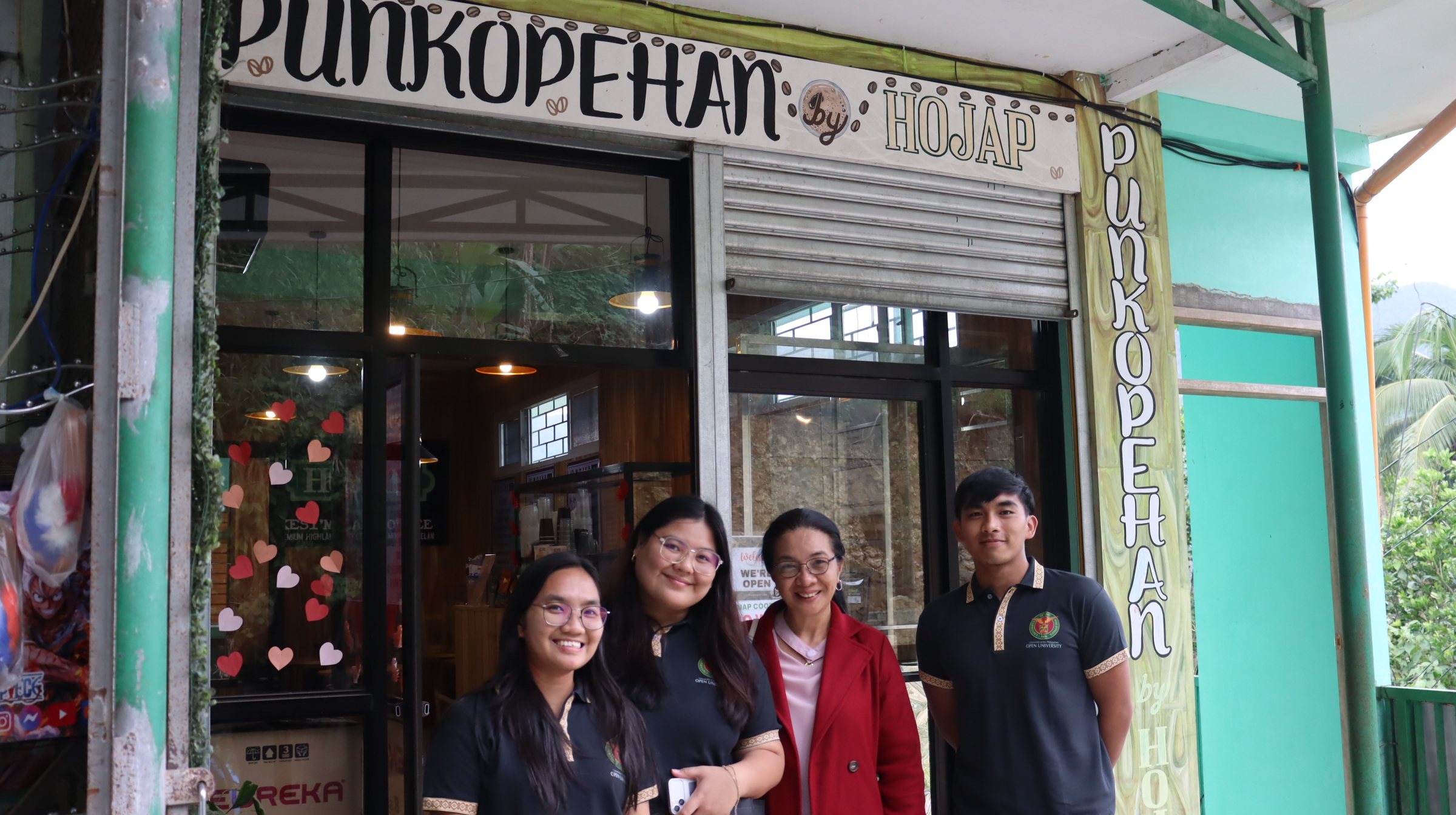
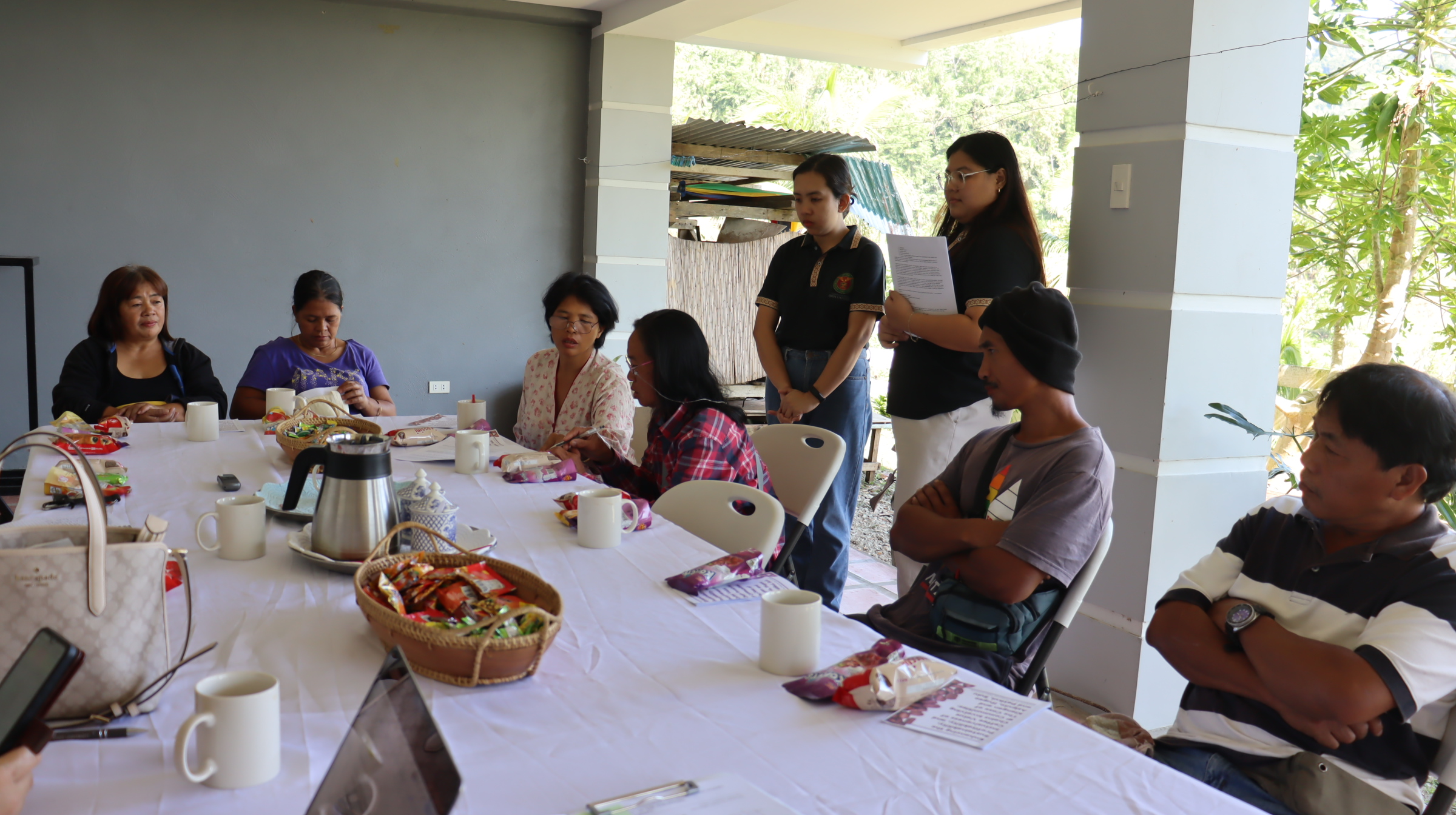
On 23 February, the team conducted a focus group discussion with seven active coffee farmers from Kiangan to assess the state of coffee production in both the previous and current years. The discussion proved productive and helpful in analyzing the gaps and challenges facing the coffee industry in Kiangan, Ifugao.
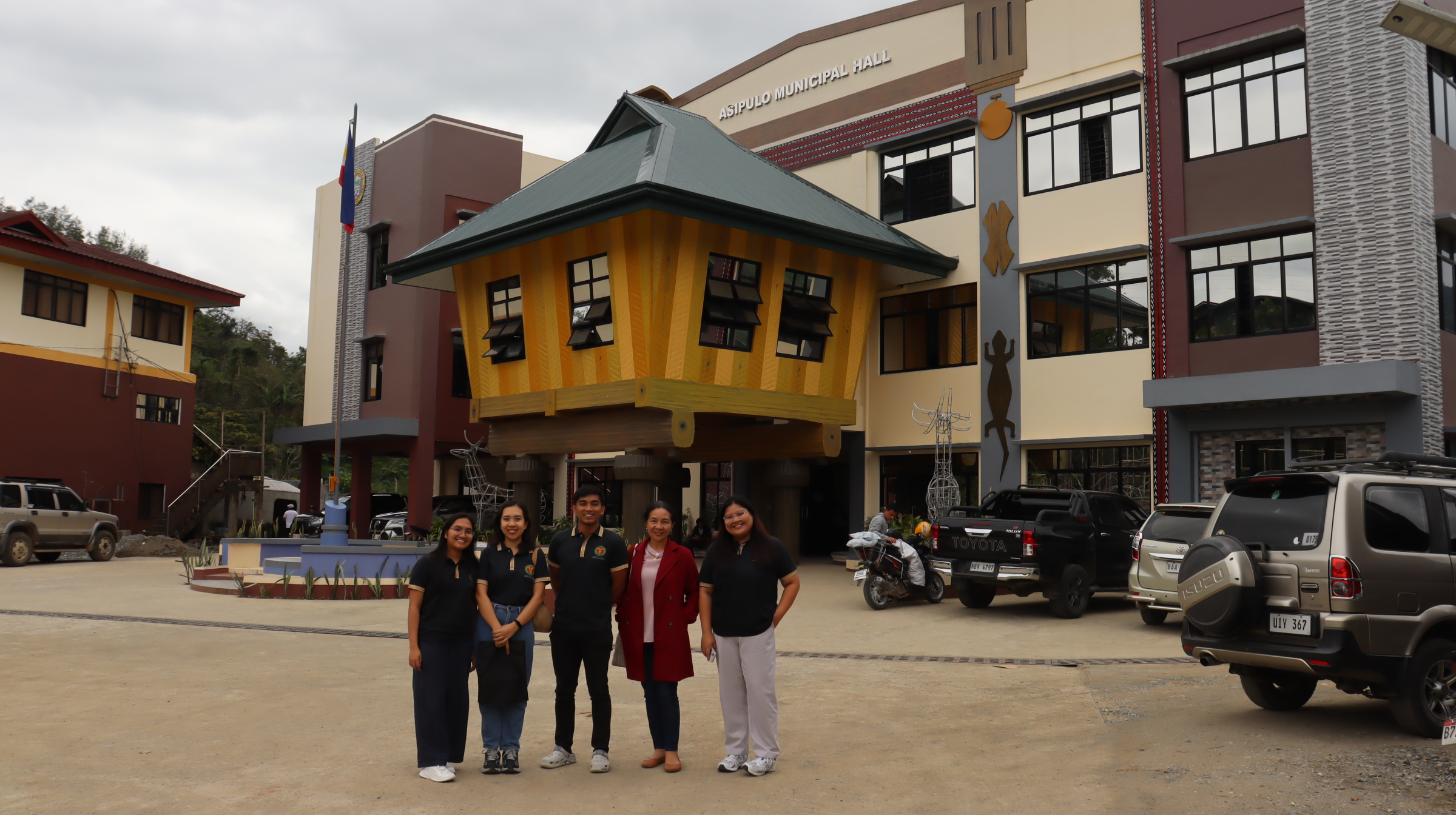
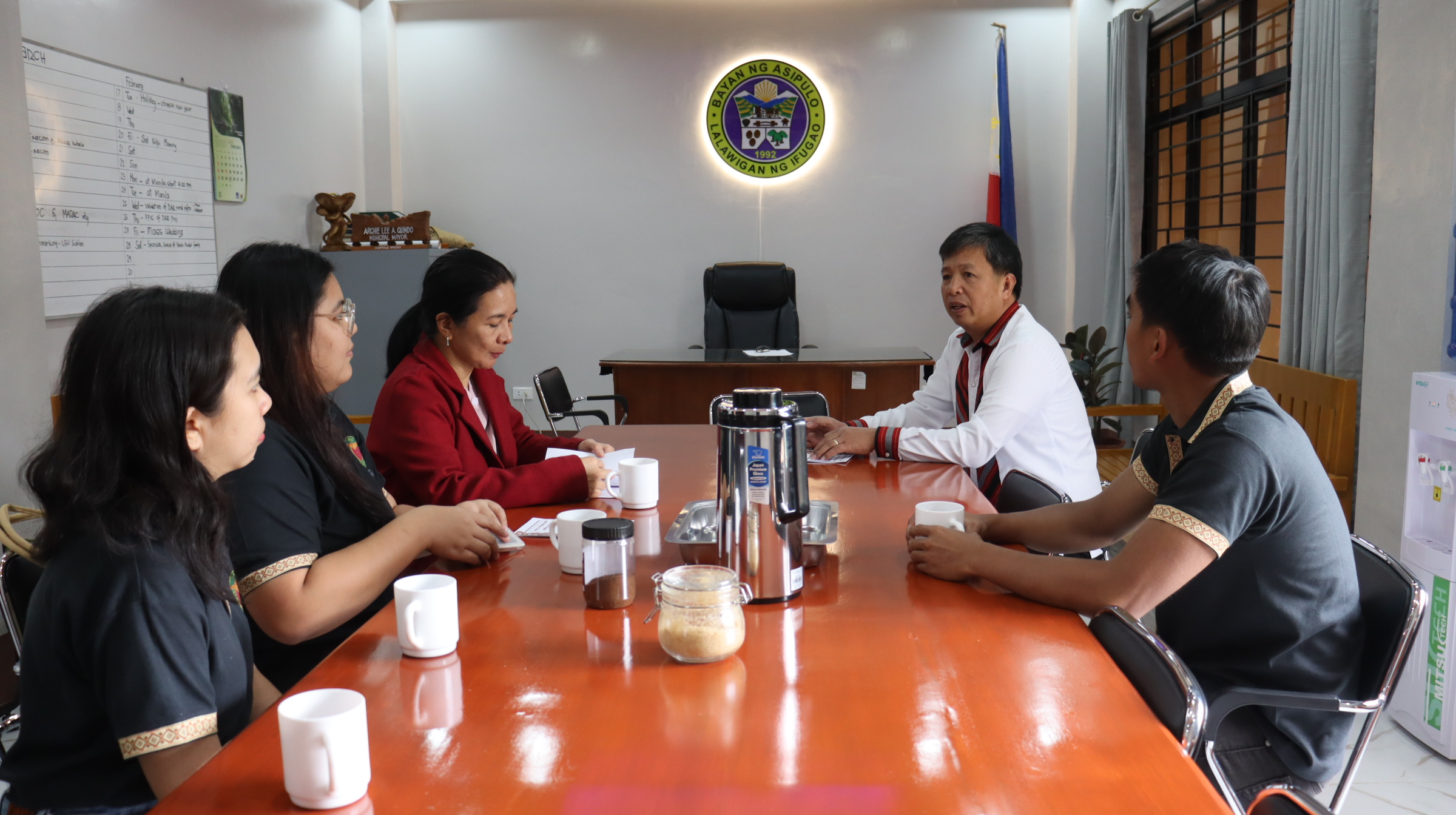
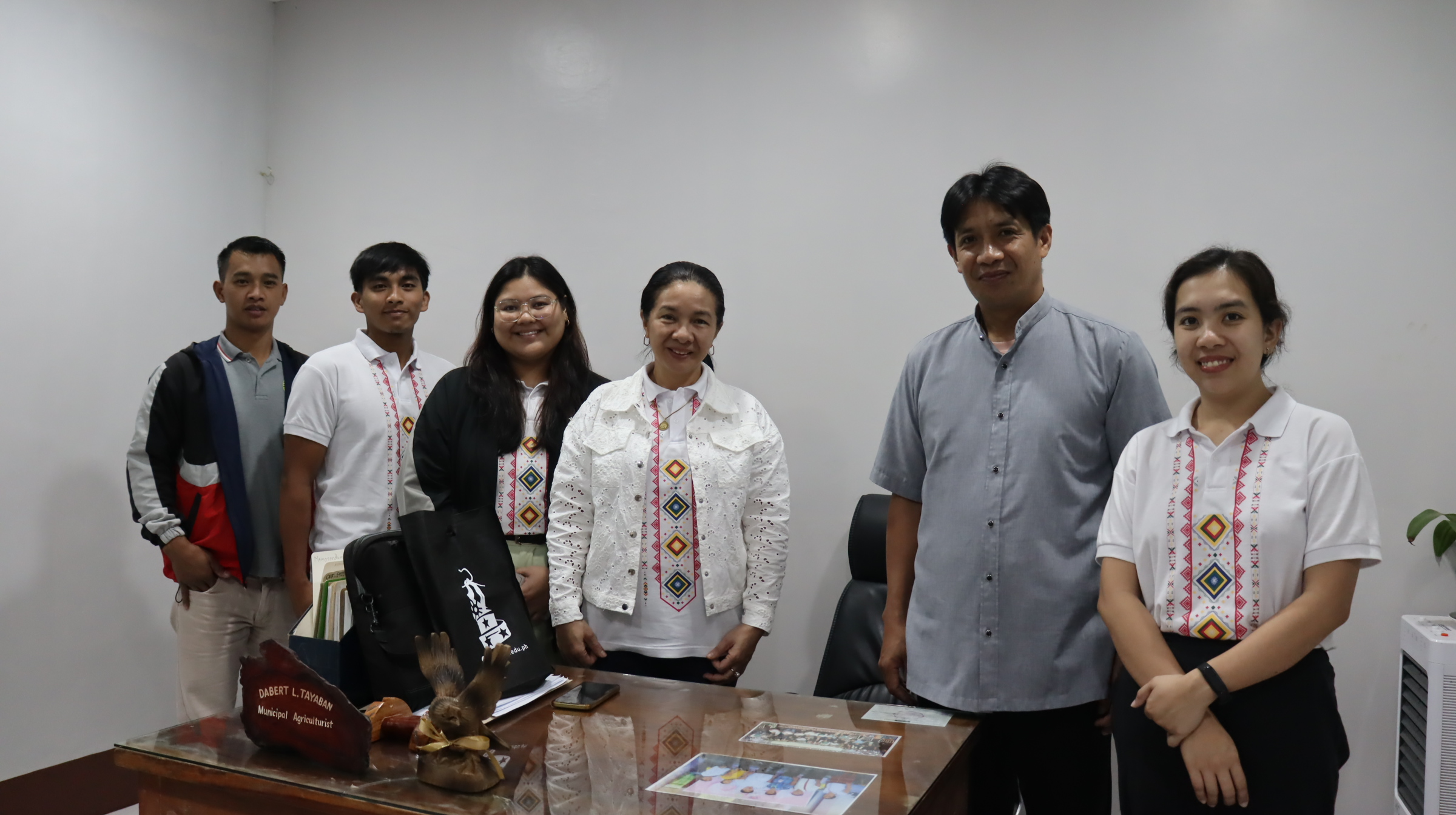
After the focus group discussion, the team traveled to Asipulo, Ifugao, to pay a courtesy visit to the Municipal Mayor, Hon. Archie Lee A. Quindo. The visit aimed to discuss the nature of the study and its relevance to the community. During the conversation with the mayor, potential areas for collaboration and partnership were also explored. Mayor Quindo highlighted the initiatives of the municipality, in partnership with Hojap Multi-Purpose Cooperative (MPC) to sustain the progressive production and processing of coffee in Ifugao.
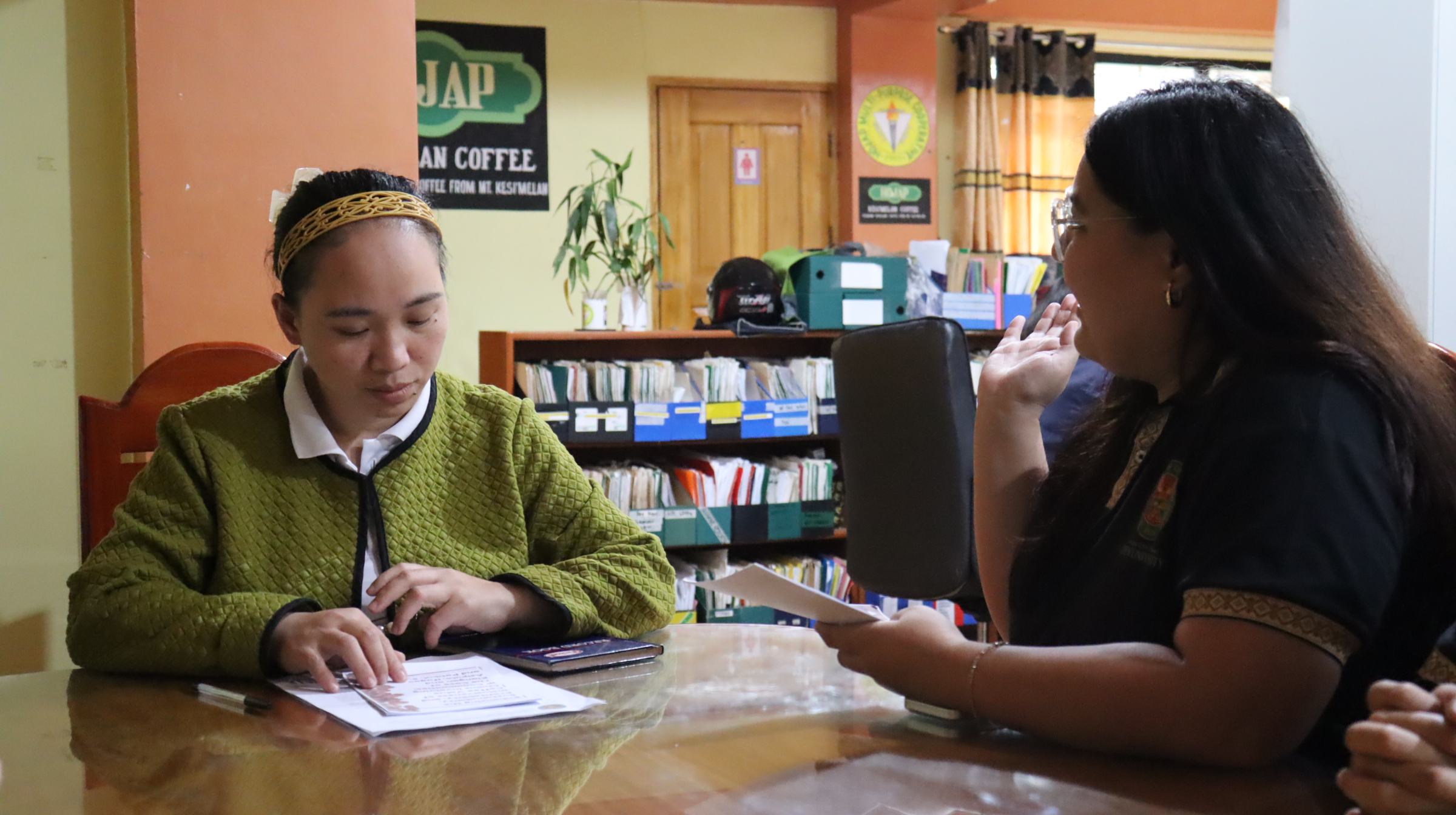
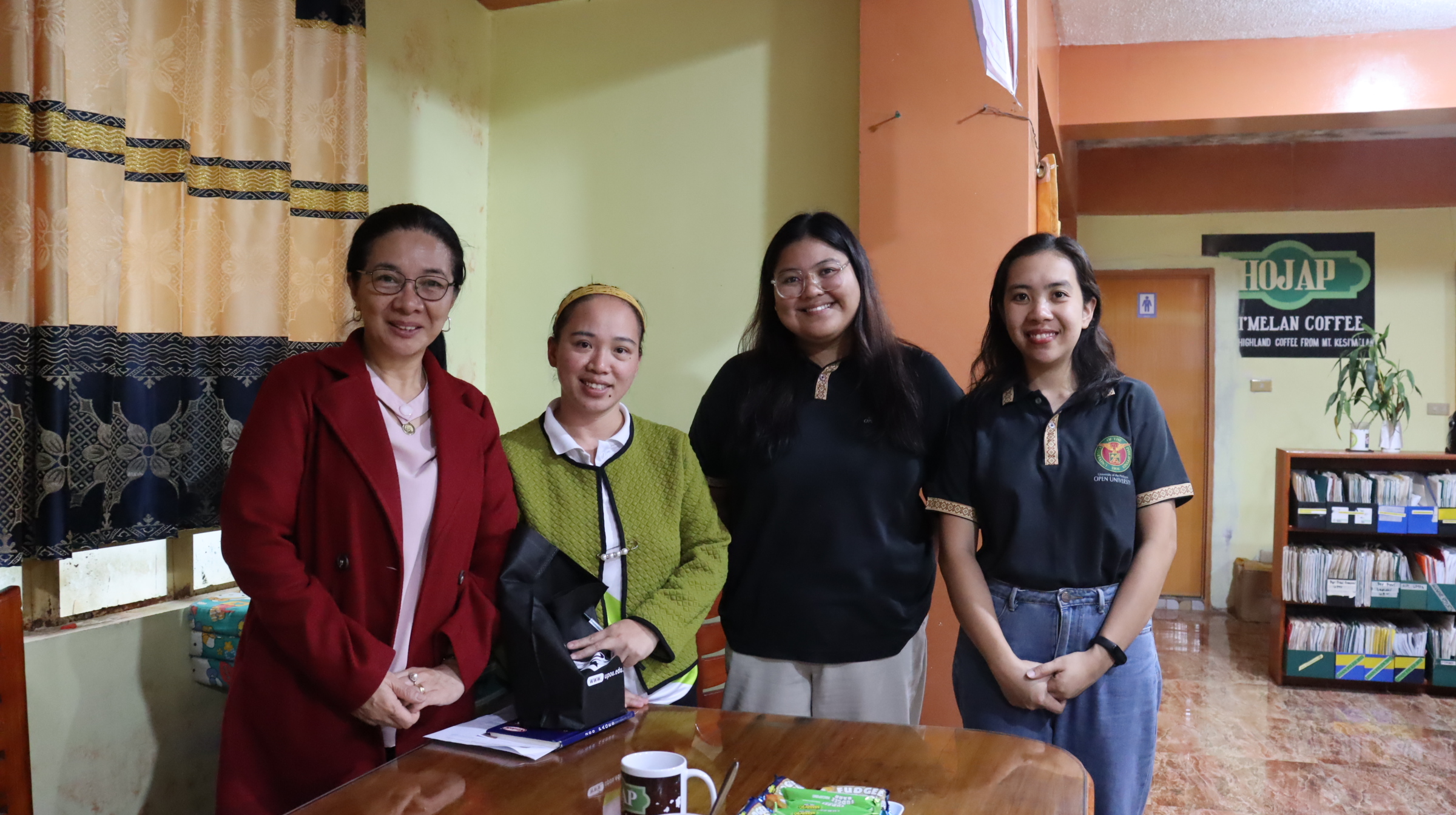
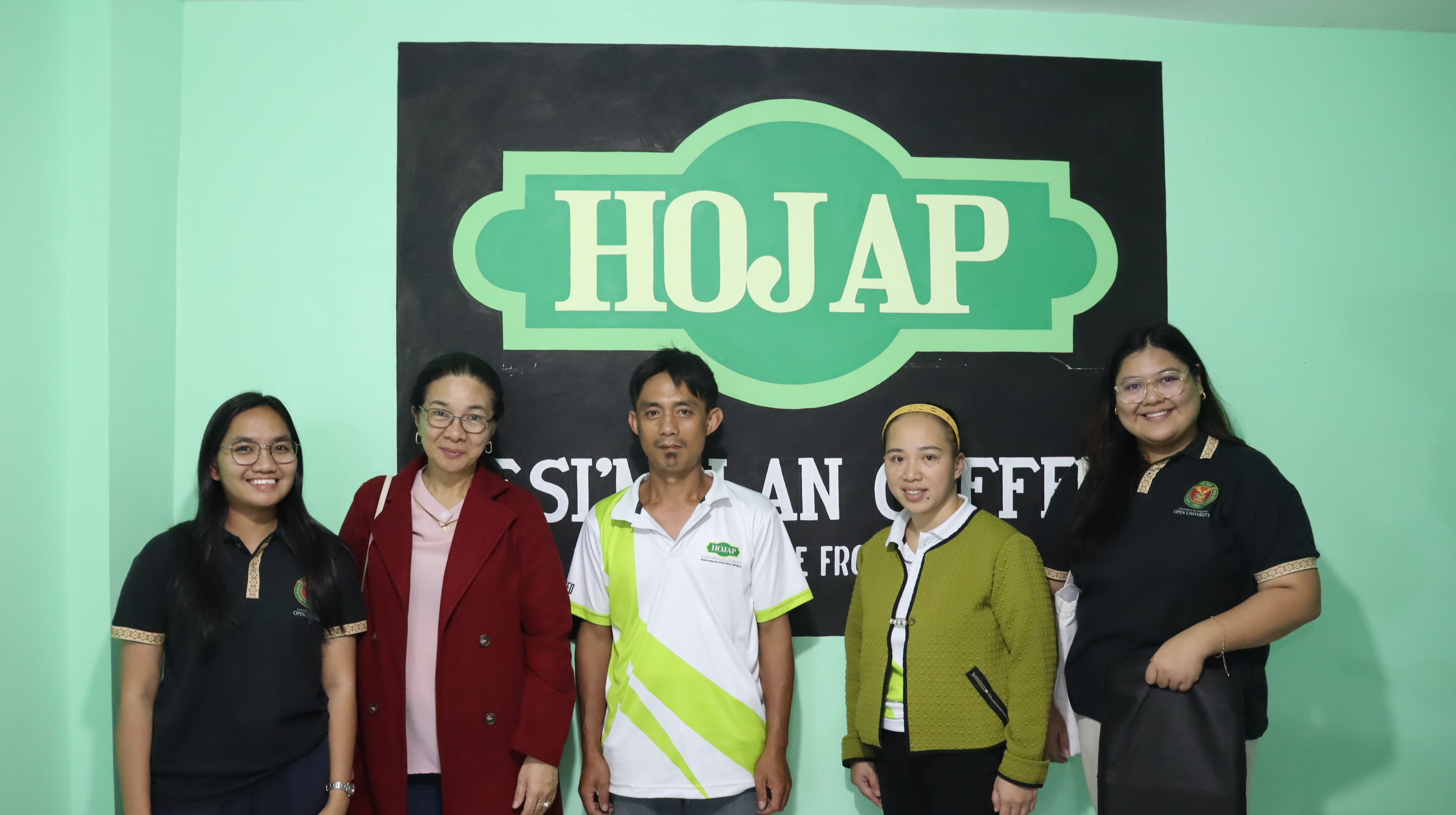
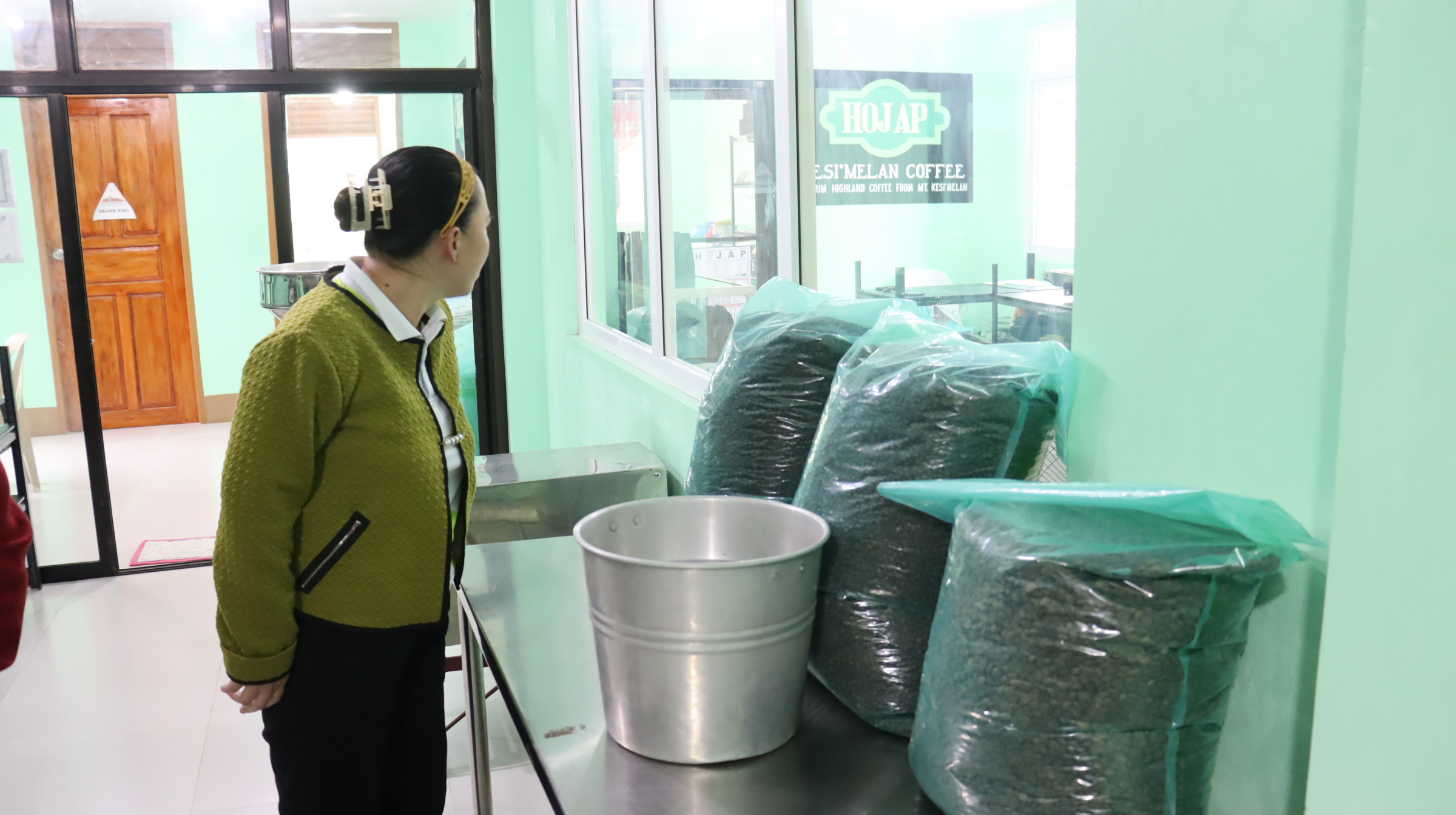
Hojap MPC is a cooperative focused on the production of coffee sourced from Asipulo and Kiangan. Engaging with the cooperative was relevant to the project, and the team was warmly welcomed by their manager, Ms. Mercy B. Gucmi. Ms. Gucmi shared insights on the cooperative’s current coffee processing processes, as well as the challenges they have faced over the years. These data are essential for analyzing and developing an effective inclusive value chain framework t for the project. The cooperative also allowed the project team a tour of their coffee processing facilities.
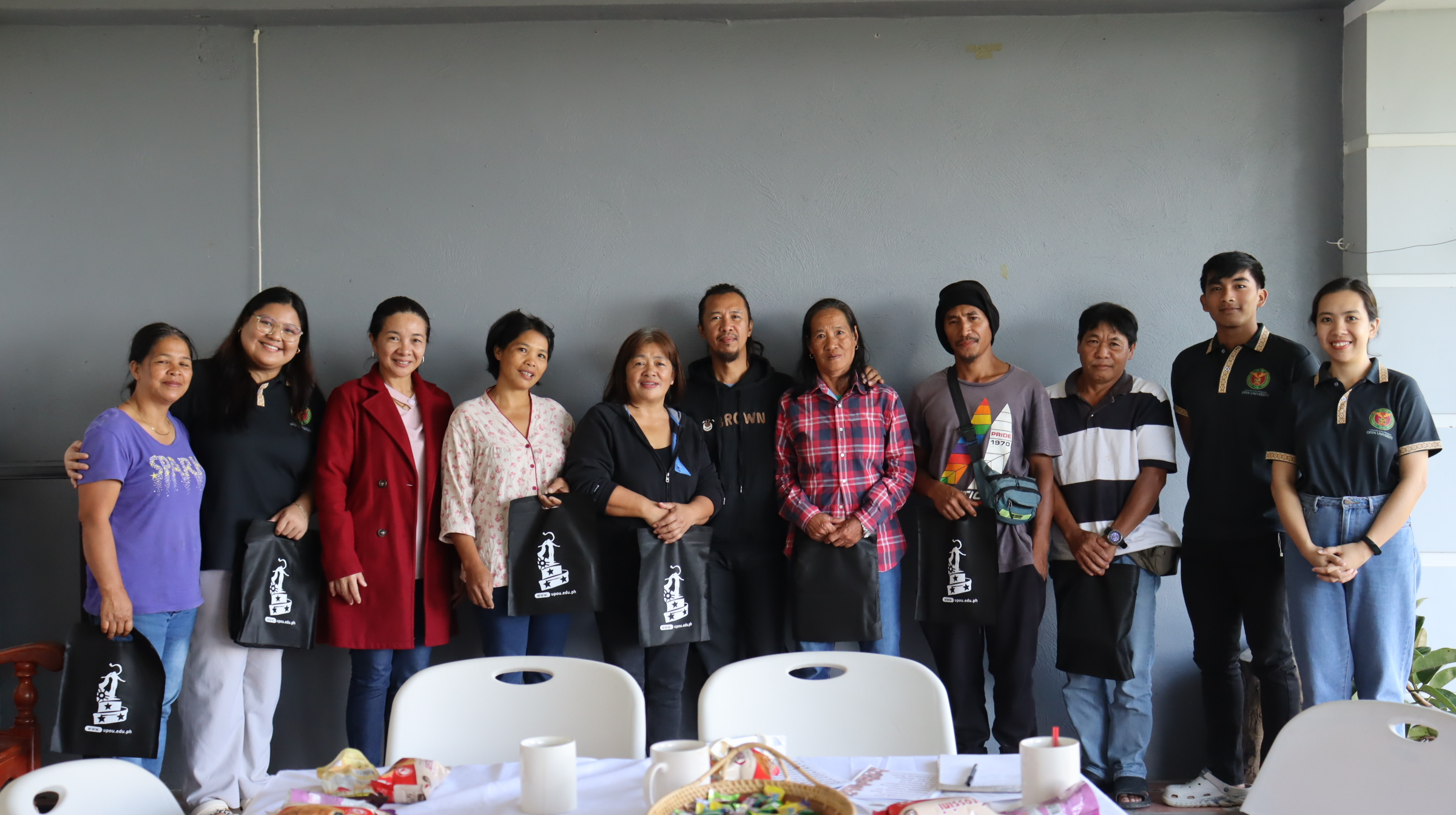
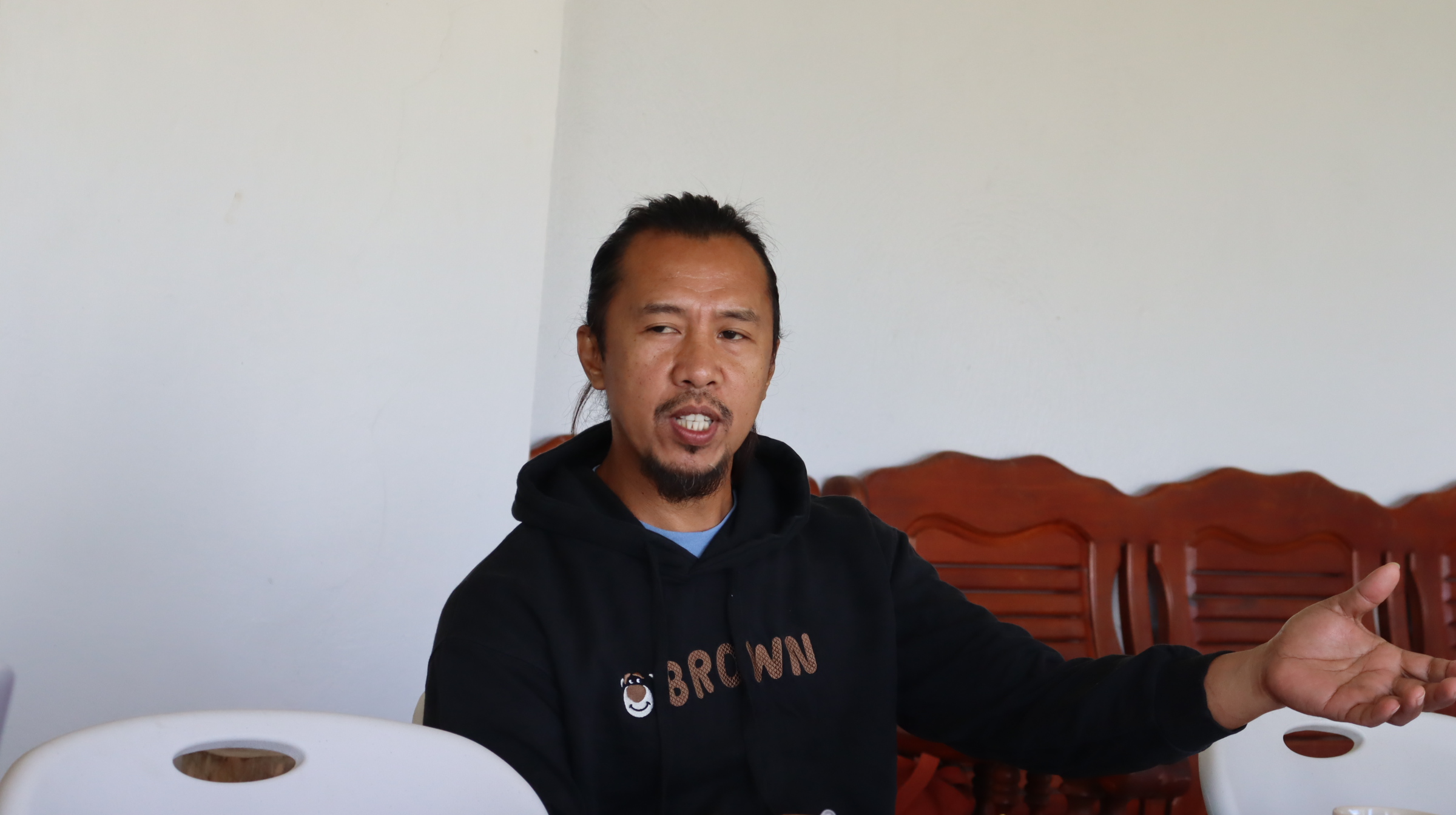
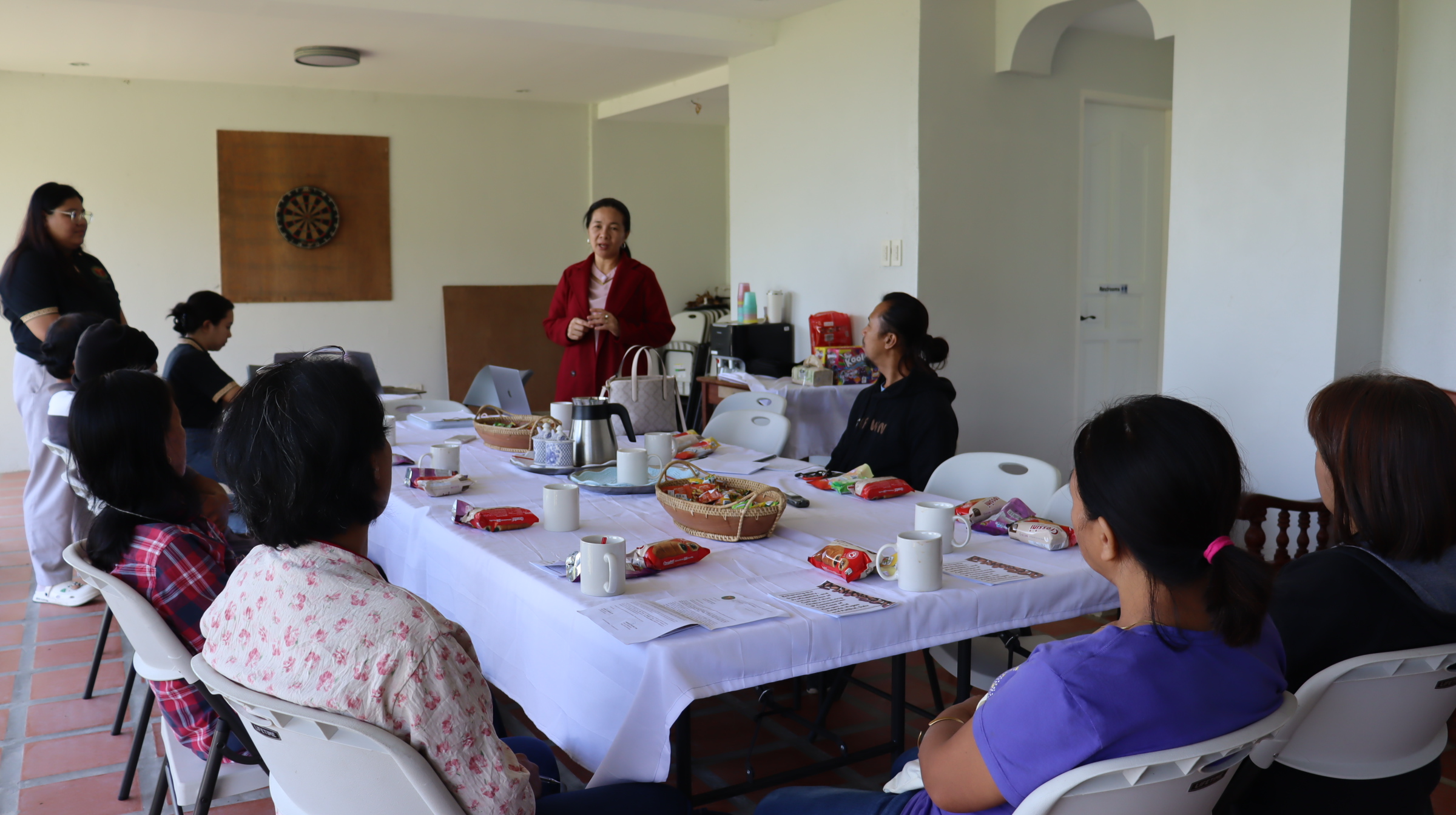
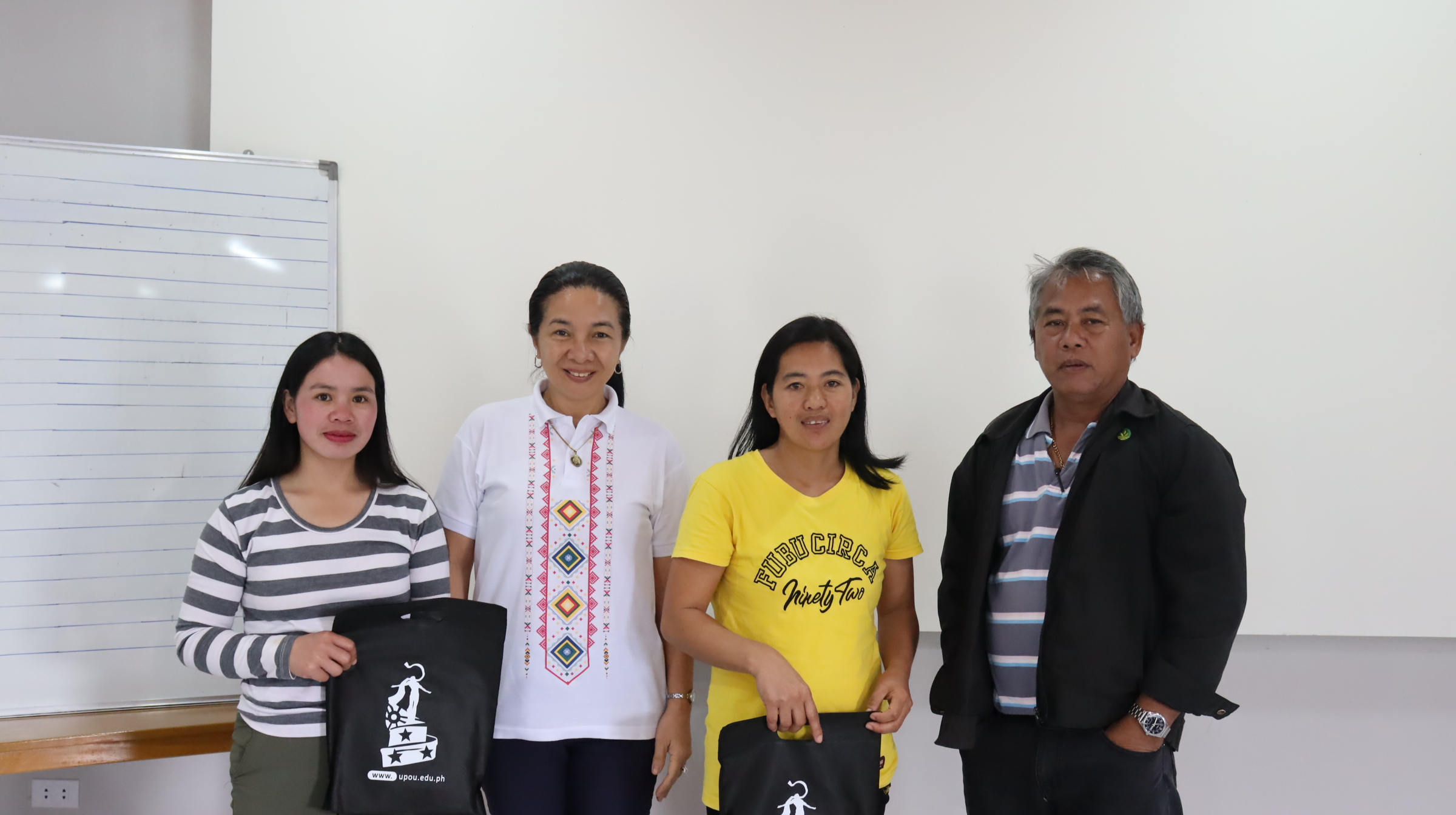
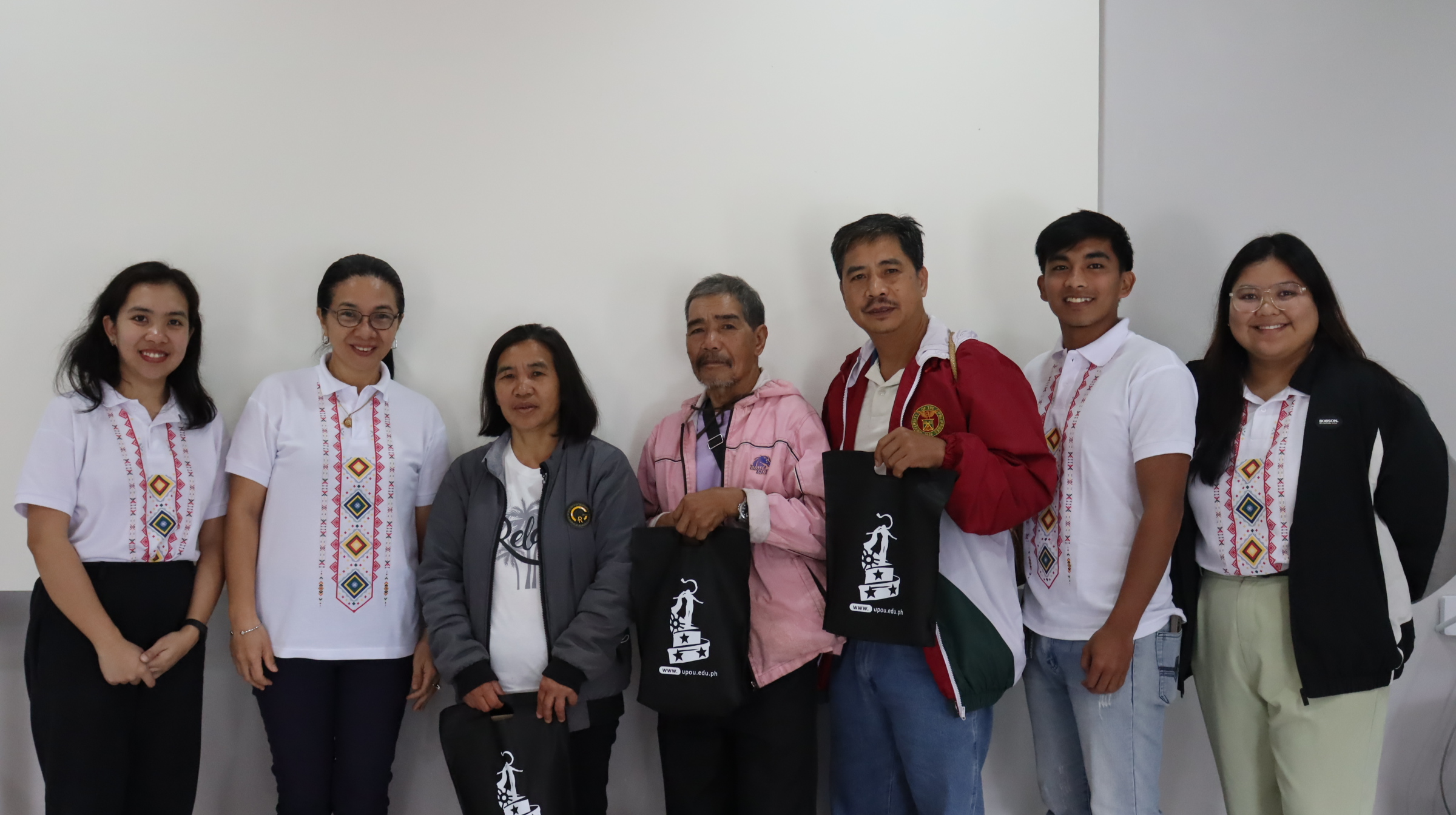
On 24 February, the coffee stakeholders from Asipulo, Ifugao including individual processors, associations, and municipal agriculturists, were invited to participate in a focus group discussion and key informant interviews. This activity aimed to introduce the coffee project and gather information on their engagement with coffee production. The participants’ stories from their coffee journeys will be utilized in analyzing the strengths and weaknesses, and in providing an appropriate inclusive value chain structure. This activity was attended by representatives from three associations, three individual processors, and the municipal agriculture representatives.
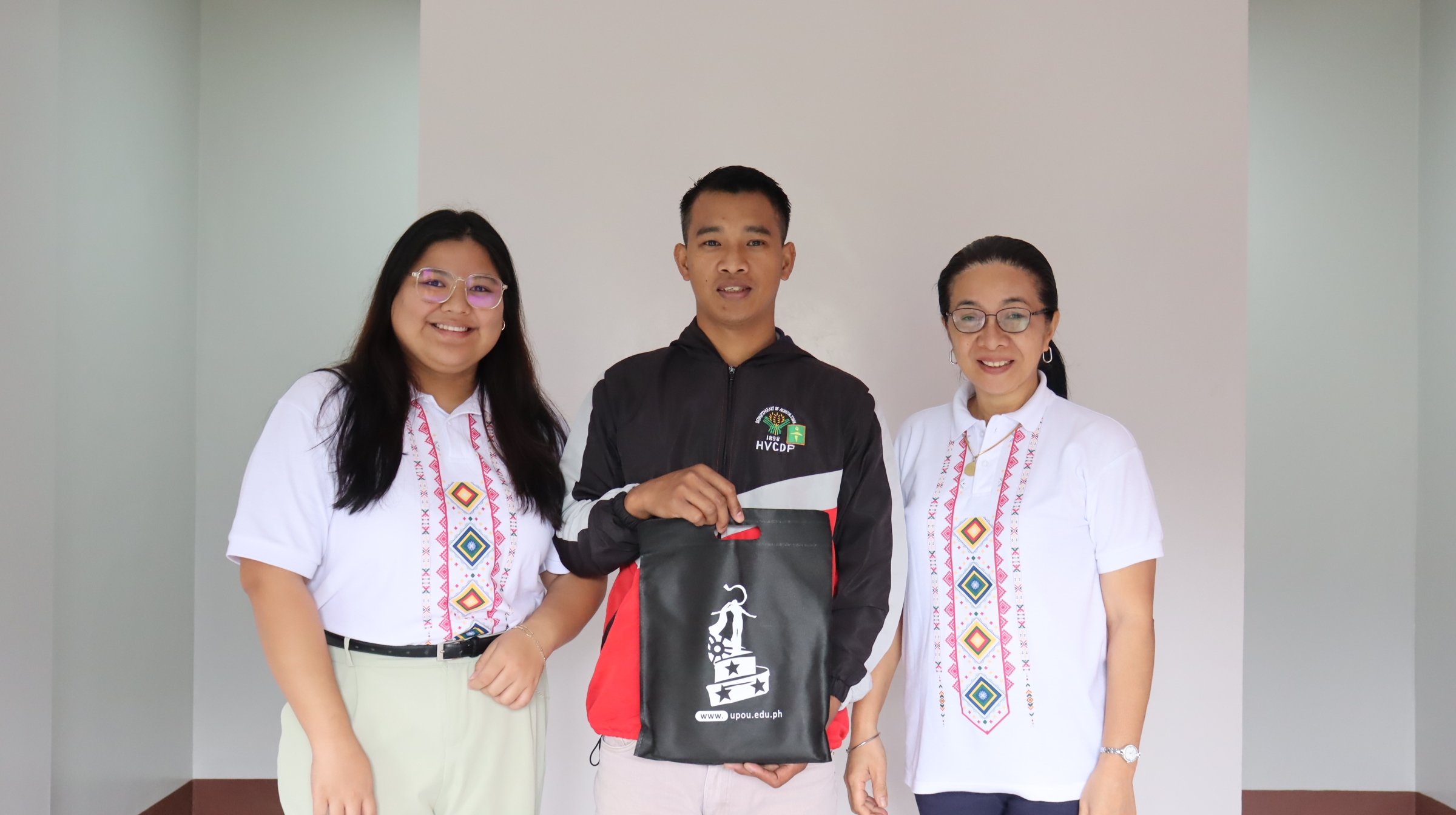
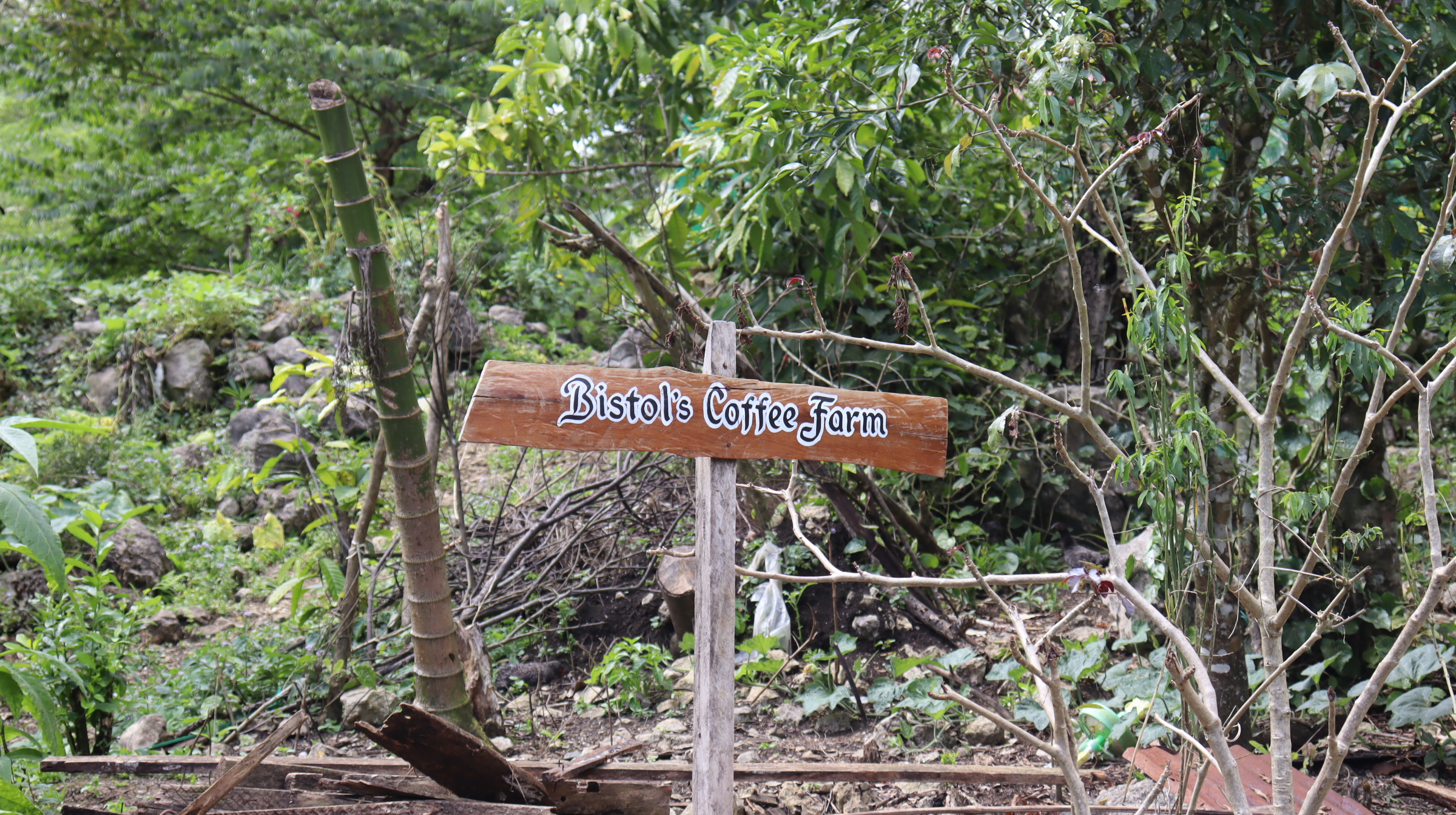
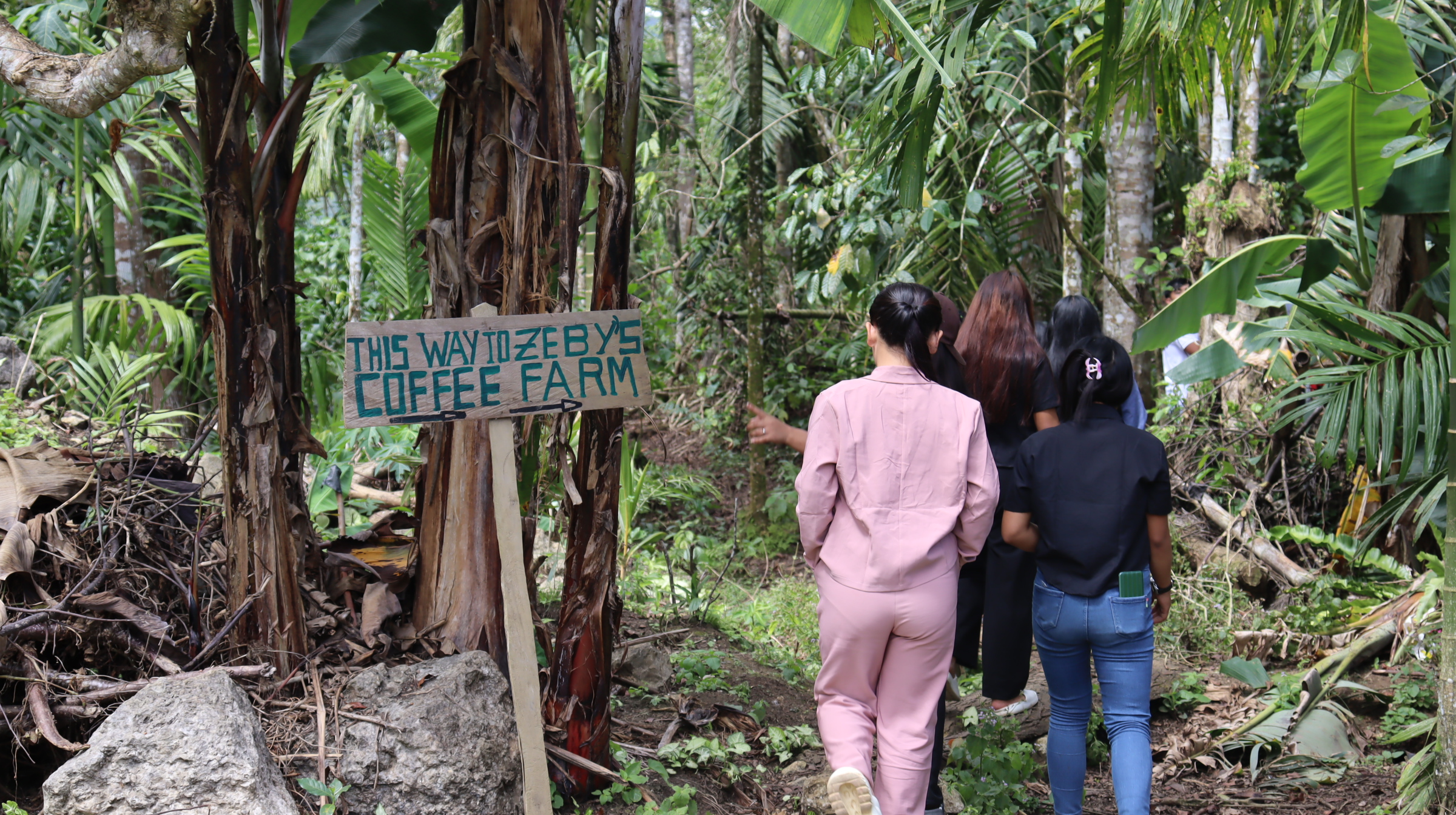
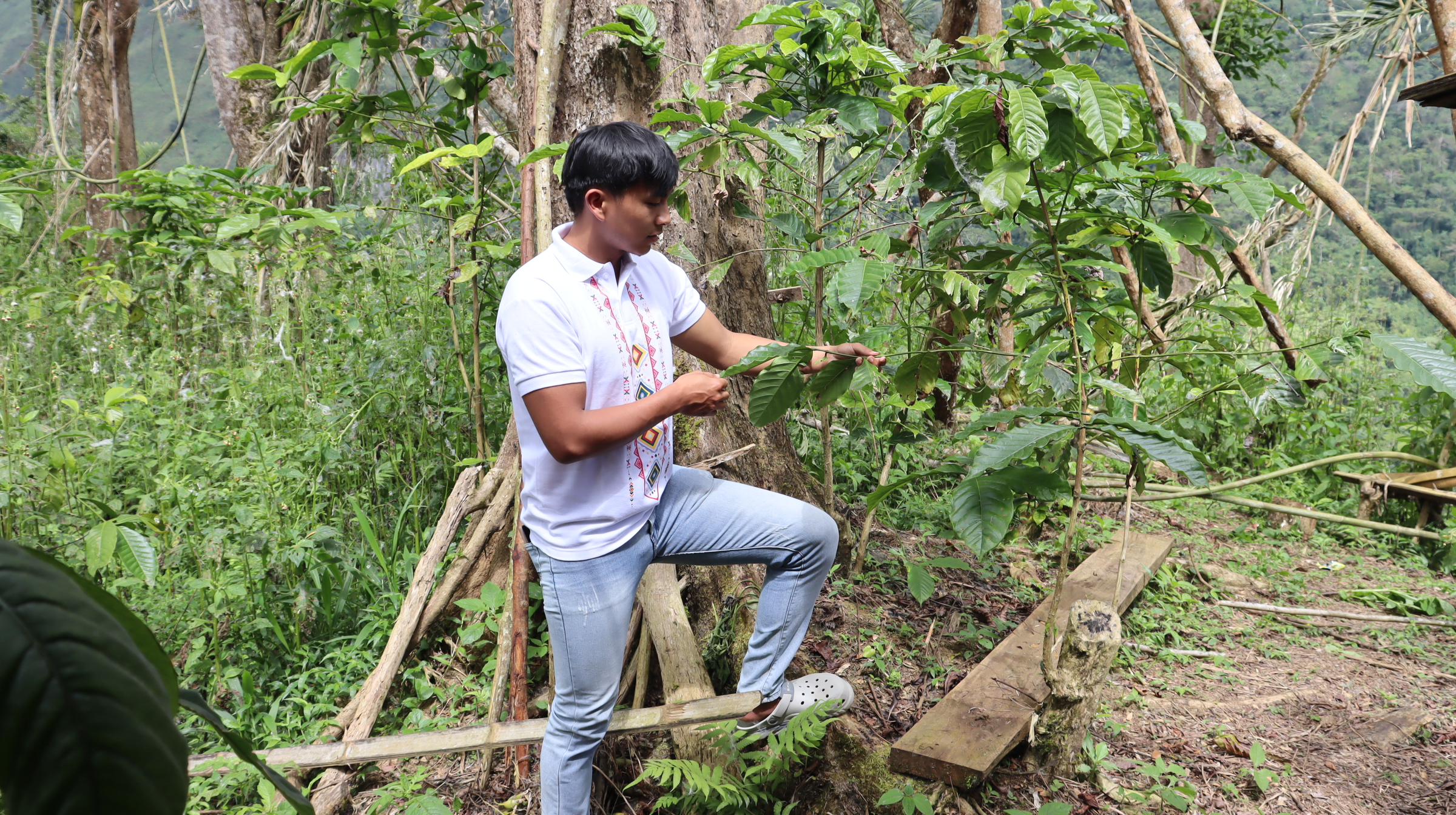
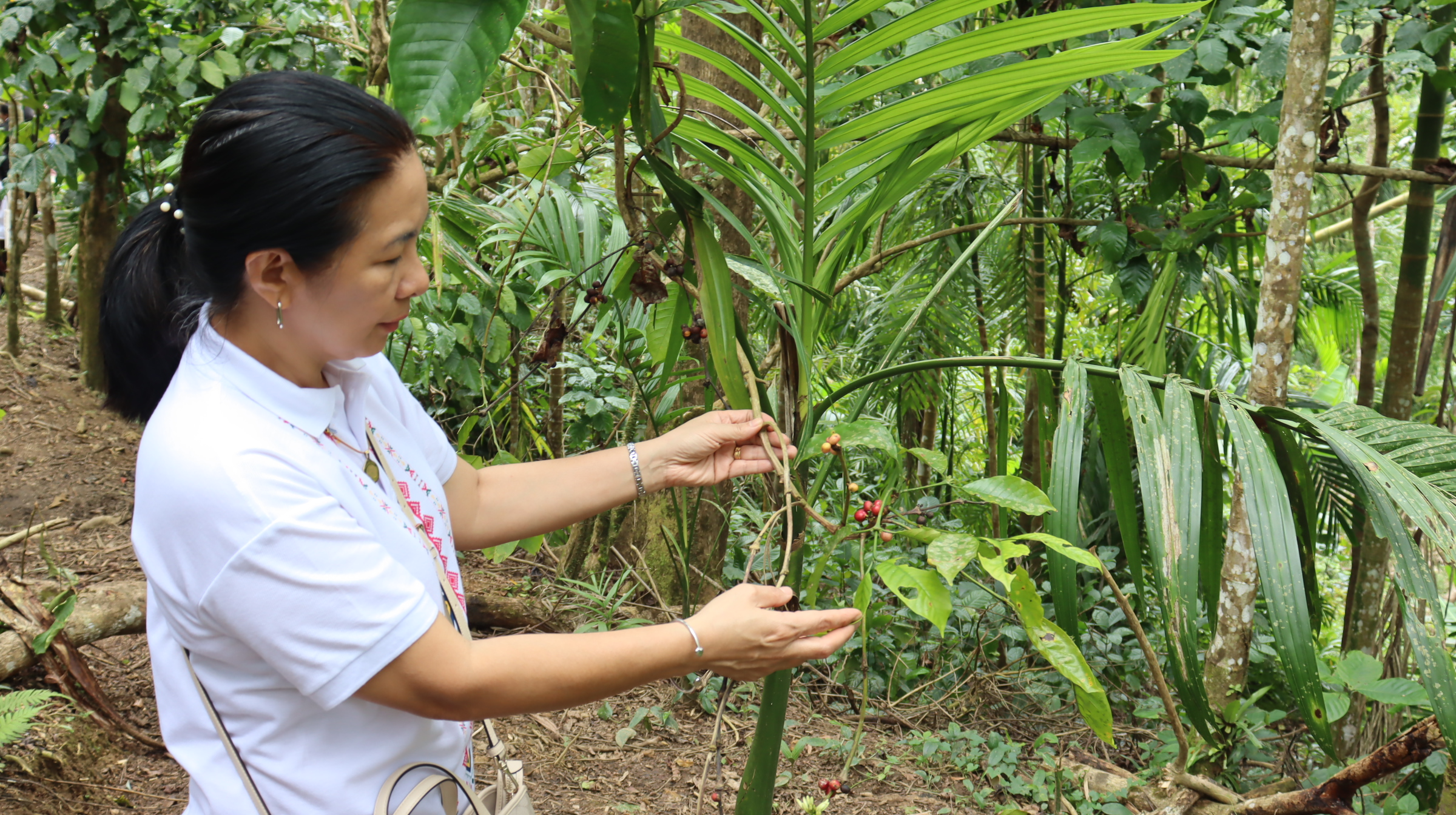
The visit concluded with farm observation activities in selected coffee farms in Asipulo, Ifugao. In coordination with the Municipal Agriculturist, the team was accompanied by Mr. Sal G. Gumangan to the Panubtuban Robusta Coffee Growing Village. During the visit, Mr. Gumangan guided the team through the coffee farms and demonstrated the differences between rejuvenated coffee trees and those that have yet to undergo rejuvenation. He also highlighted the visible impacts of Typhoon Uwan on the coffee plantations, providing firsthand insights into the challenges faced by local farmers. The activity allowed the team to gain a clearer understanding of the actual conditions, layout, and structural characteristics of coffee farms in the area.
The project activity contributes to the attainment of the United Nations Sustainable Development Goals (SDGs), particularly SDG 8 (Decent Work and Economic Growth ), SDG 9 (Industry, Innovation and Infrastructure), SGD 12 (Responsible Consumption and Production), and SDG 17 (Partnerships for the Goals).
Written by: Mary Grace Campollo • Edited by: Larry N. Cruz
Sustainable Development Goals


FMDS Socials