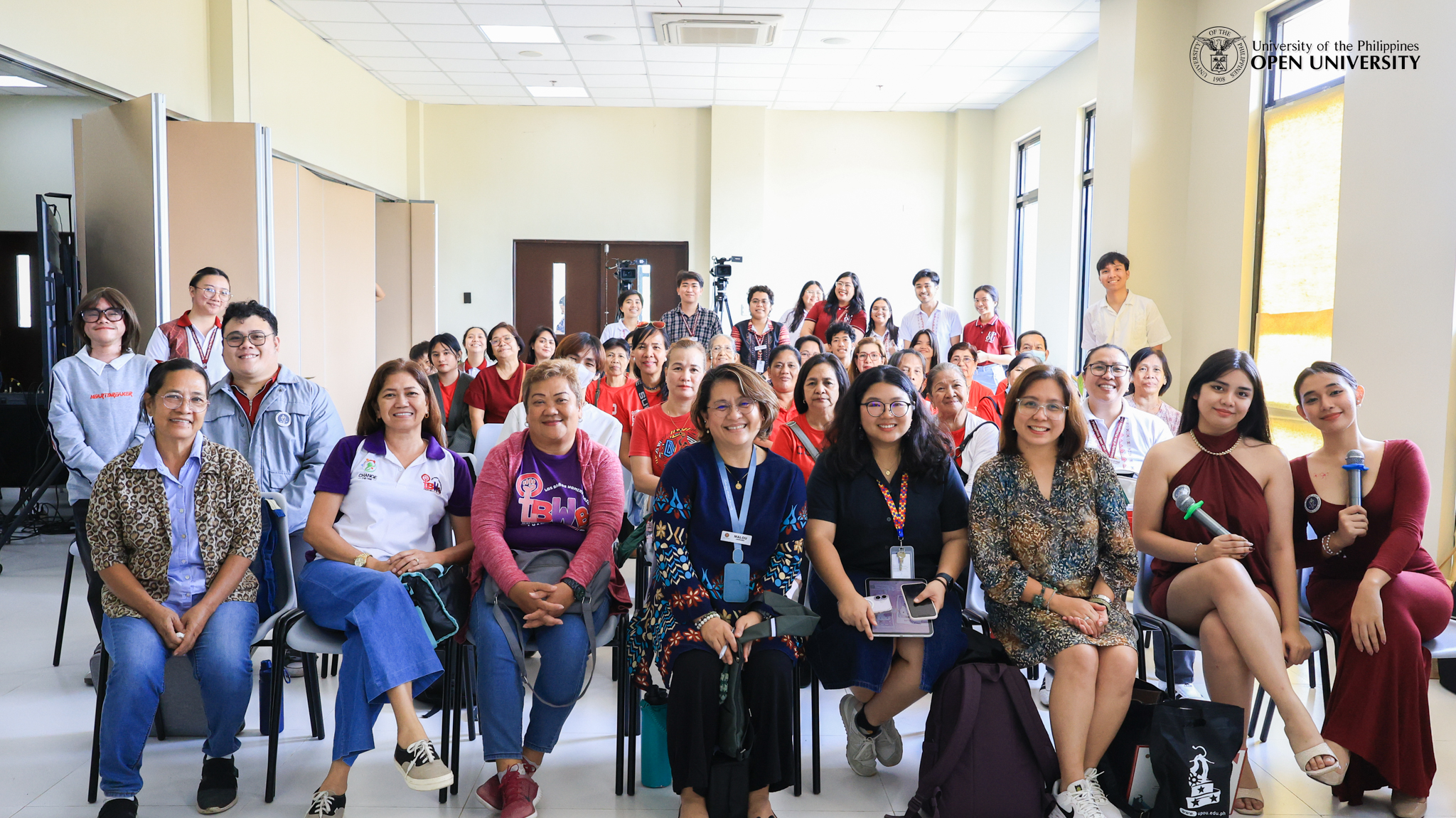
The Faculty of Management and Development Studies (FMDS) of the University of the Philippines Open University (UPOU) recently hosted a hybrid webinar under the Let’s Talk it Over (LTiO) series titled “#MakeClimateAConversation: Integrating Social Work, Gender Justice & Climate Talk”, highlighting the intersection of climate justice, gender equality, and social work.
The event was organized with the Bard Graduate Programs in Sustainability of the Bard College in New York, the Worldwide Teach-In (WWTI) Philippines, and the Youth for Active Citizenship and Leadership (YACAL) Pilipinas in celebration of the Worldwide Climate and Justice Education Month. It was also held in collaboration with the UPOU Office of Gender Concerns (OGC) as part of National Women’s Month and World Social Work Day.
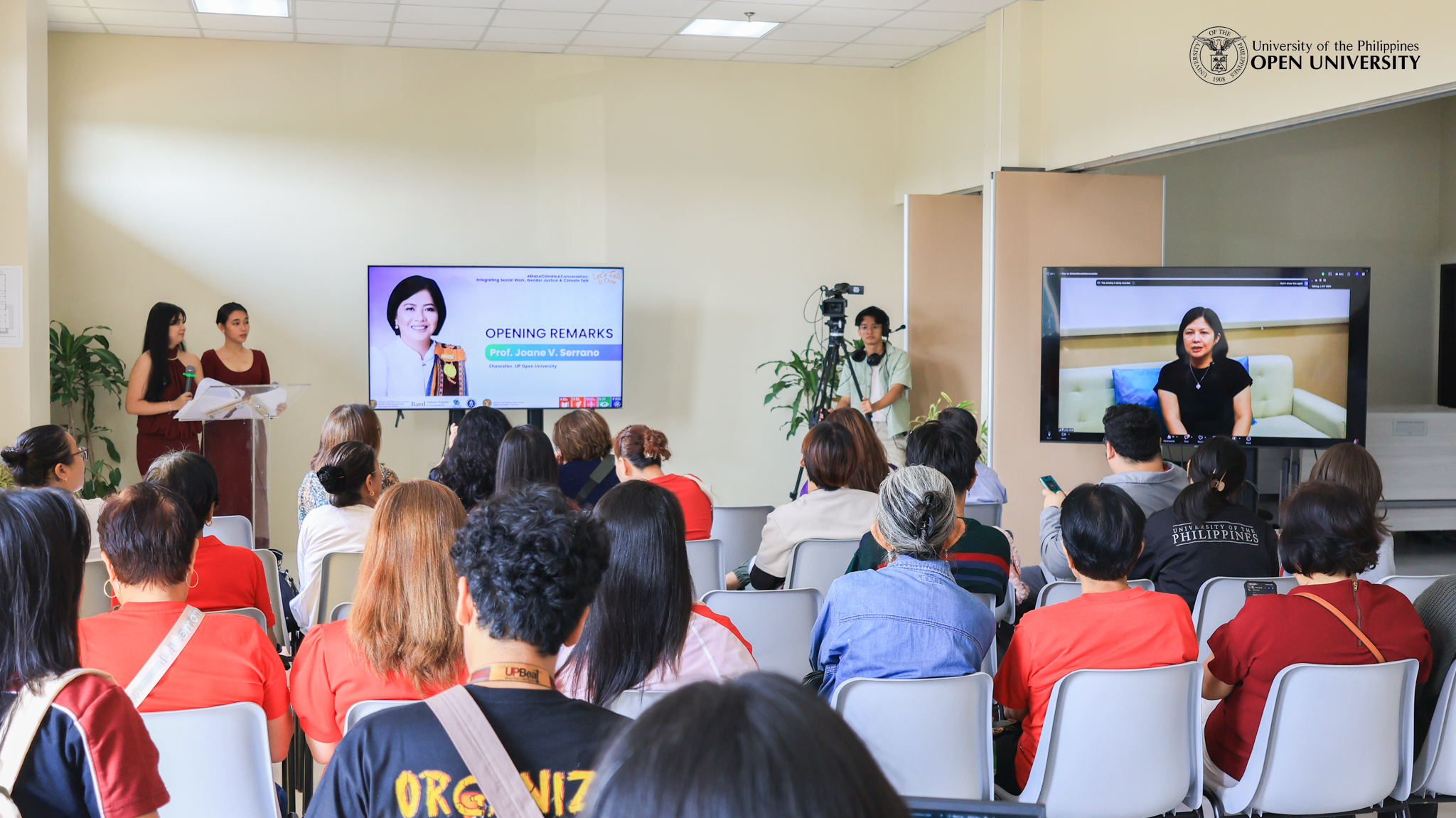
Prof. Joane V. Serrano, UPOU Chancellor, formally opened the program with her welcome remarks, providing a brief overview of the teach-in webinars since its inception in 2021. She also emphasized that climate change extends beyond an environmental concern, emphasizing its connection with justice, equity, governance, and the shared responsibilities across generations.
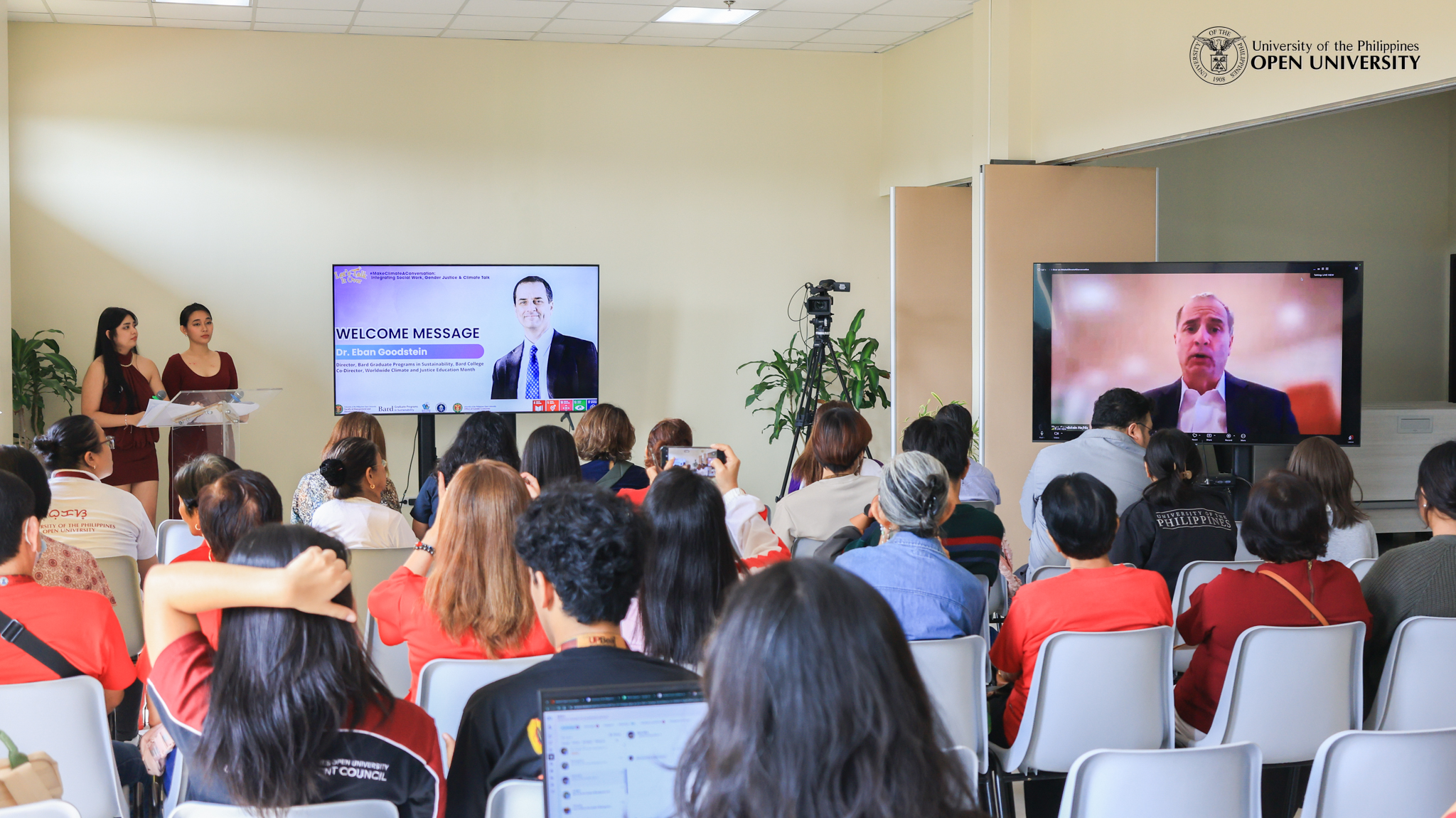
This was followed by a welcome message from Dr. Eban Goodstein, Director of the Bard Graduate Programs in Sustainability and co-Director of the Worldwide Climate and Justice Education Month. In his message, Dr. Goodstein highlighted that this is the time to embrace new approaches to technological innovation, transform energy systems, support resilient communities, and underscored the importance of global cooperation in advancing climate and justice education.
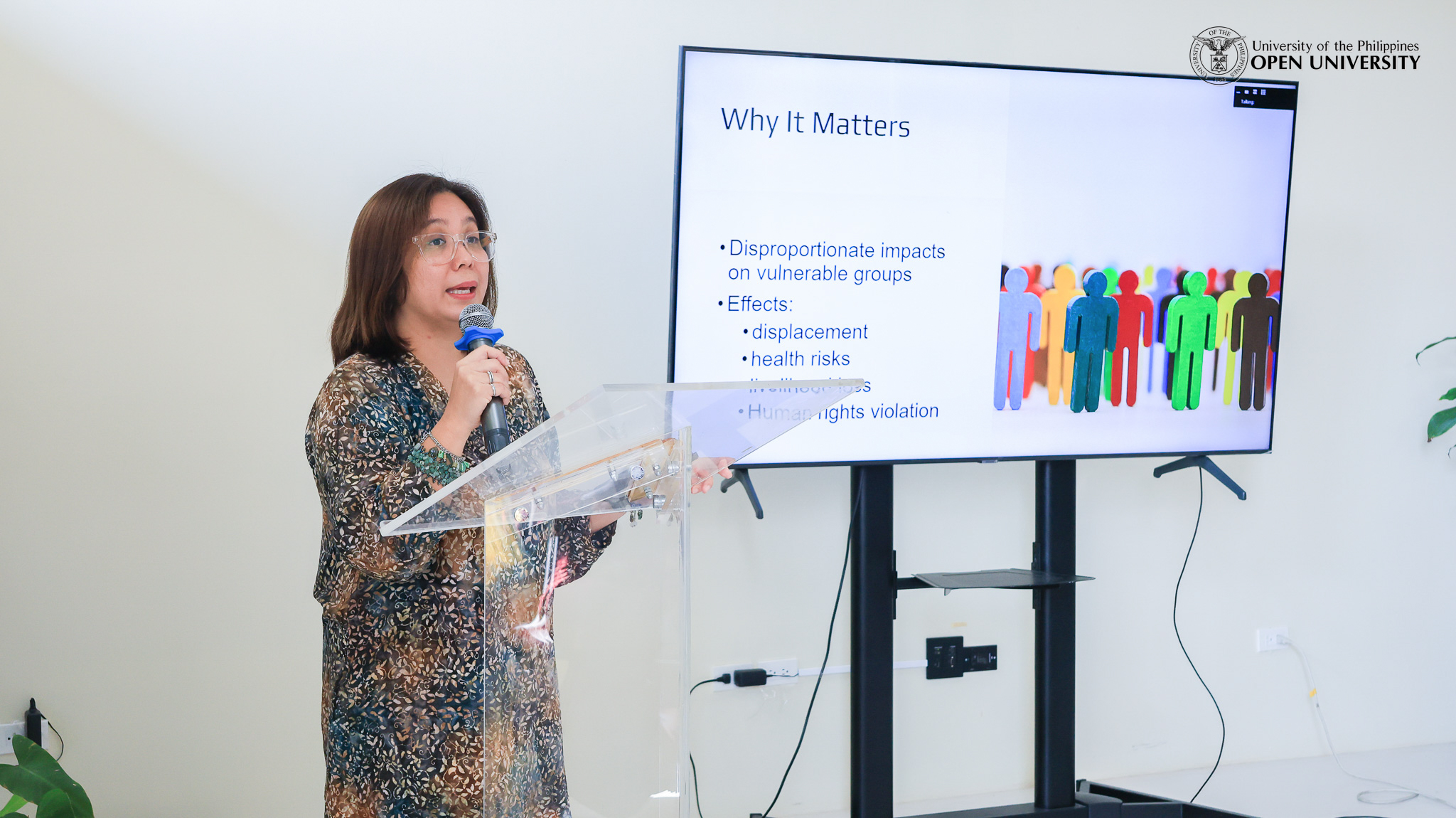
The discussion proper began with a social work lens on climate justice. Assoc. Prof. Finaflor F. Taylan, Dean and Program Chair of the Diploma in and Master of Social Work (D/MSW) programs of FMDS, highlighted the role of social work in addressing the human dimensions of climate change, particularly among vulnerable communities. Dean Taylan also emphasized the need for inclusive, people-centered approaches that bridge global frameworks with local realities and calls for collective action through awareness, empowerment, and sustainable practices.
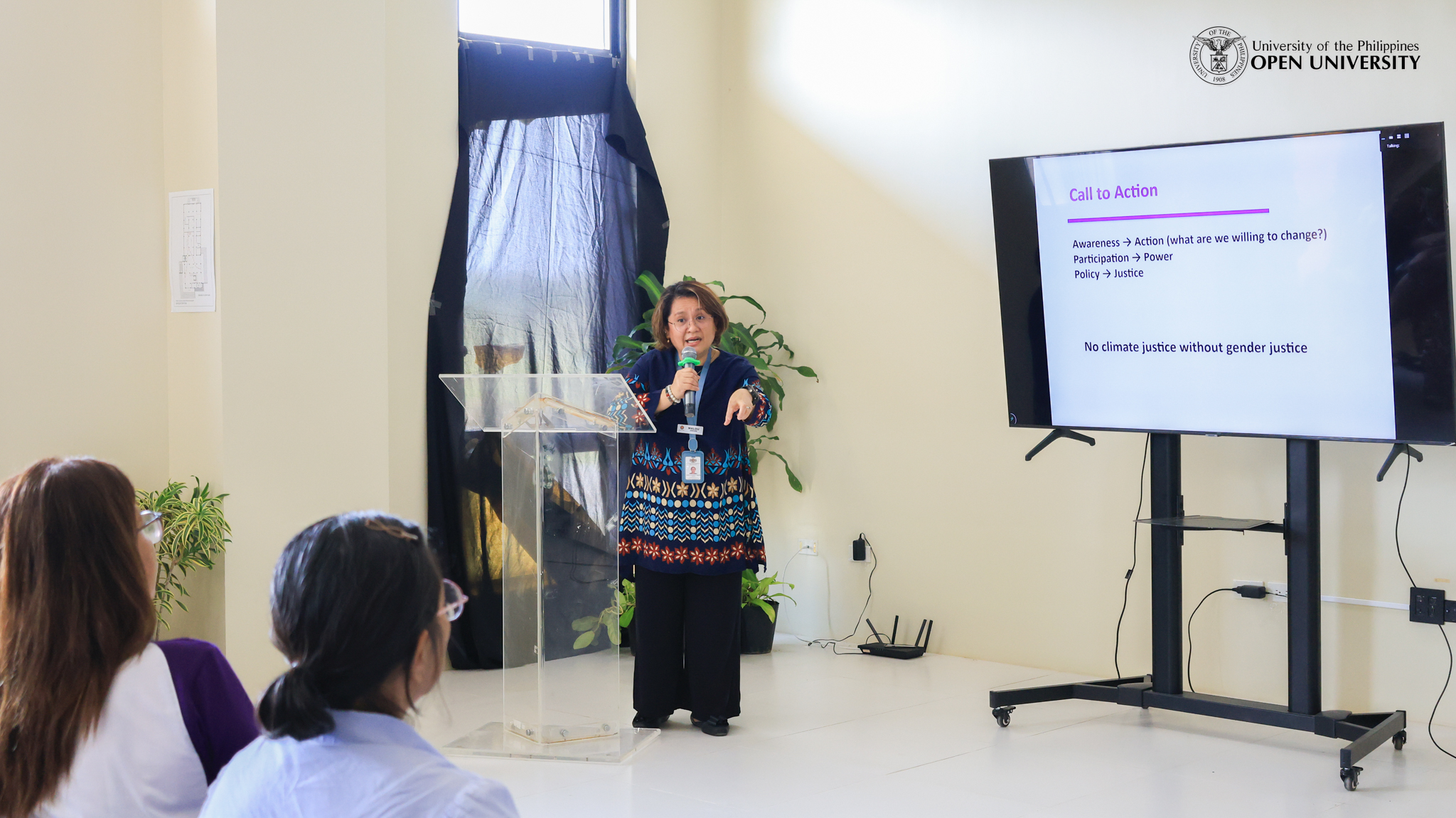
Expanding the conversation to gender perspective, Asst. Prof. Maria Lourdes T. Jarabe, Director of the UPOU OGC and Program Chair of the Diploma in Women and Development (DWD) program of FMDS, pointed out that the climate crisis is not only an environmental challenge but also a social and gender issue disproportionately affecting women, particularly those in vulnerable sectors. She also stressed the need to move beyond token participation by centering women’s leadership and addressing structural inequalities, underscoring that gender justice is essential to achieving climate justice.
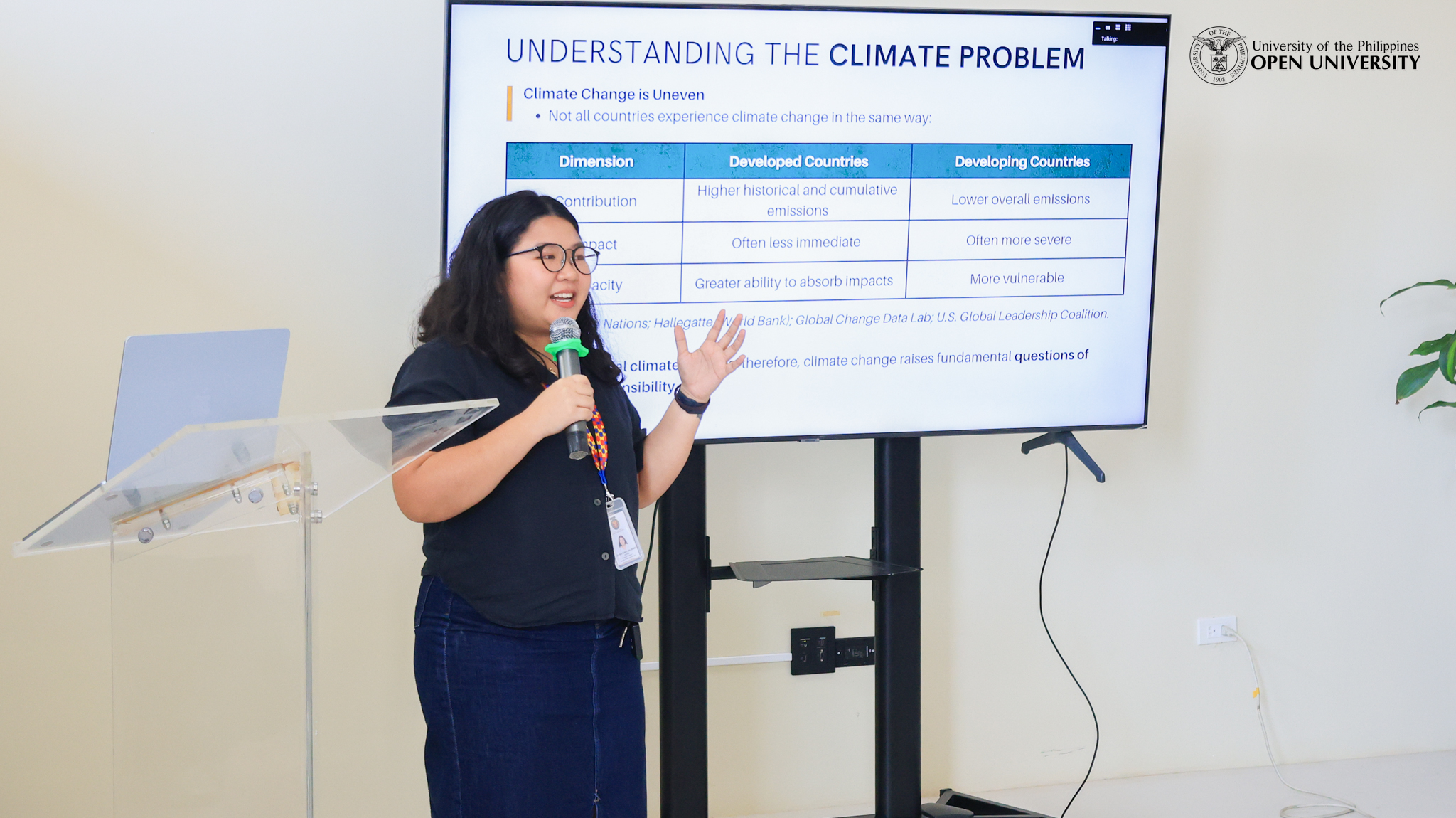
Providing a broader regional aspect, Asst. Prof. Lorena Jean D. Saludadez, Program Chair of the Graduate Certificate in and Master of ASEAN Studies (GC/MAS) programs of FMDS, examined climate justice through an ASEANological perspective, articulating that responses are shaped not only by scientific realities but also by political contexts, perceptions, and unequal conditions across countries. She further stressed the need for shared responsibility and collective action within ASEAN, noting that achieving climate justice requires recognizing agency, expanding ownership of the issue, and strengthening accountability across all levels.
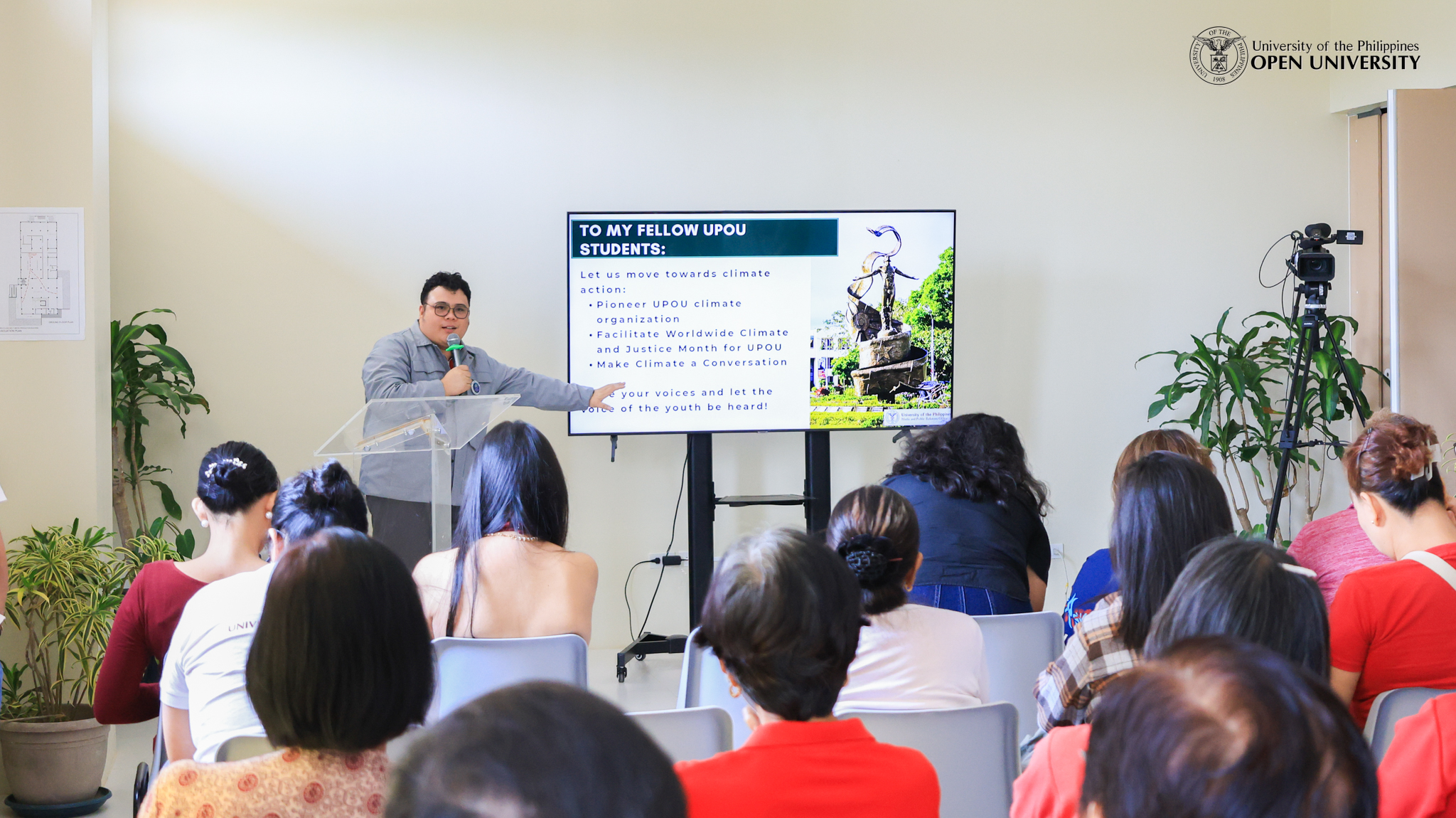
The final speaker, Mr. Alec Hope Buenaventura, Regional Liaison of the Worldwide Climate and Justice Education and Co-Founder of YACAL Pilipinas, centered his discussion on youth in the context of climate and the expanding role of grassroots movements in environmental justice. He explained how youth-led initiatives are not only raising awareness but also driving tangible change at the community level. Mr. Buenaventura ended his presentation by urging the youth, especially the students, to move towards climate action.
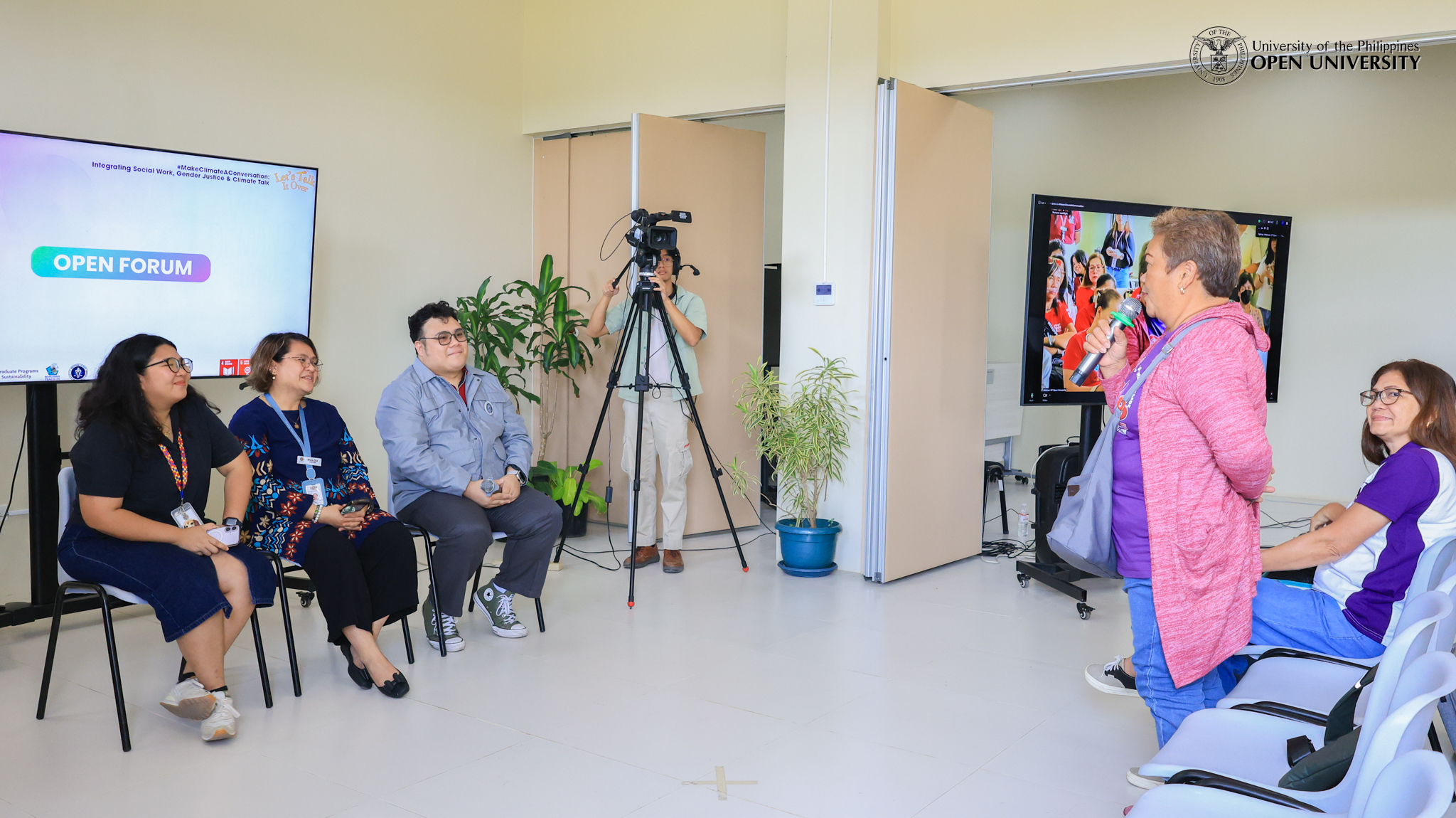
Following the presentations, an open forum was held allowing participants to engage with the speakers and exchange insights. This fostered a deeper understanding, encouraged collaborative learning, and highlighted the value of inclusive dialogue in addressing social and environmental challenges.
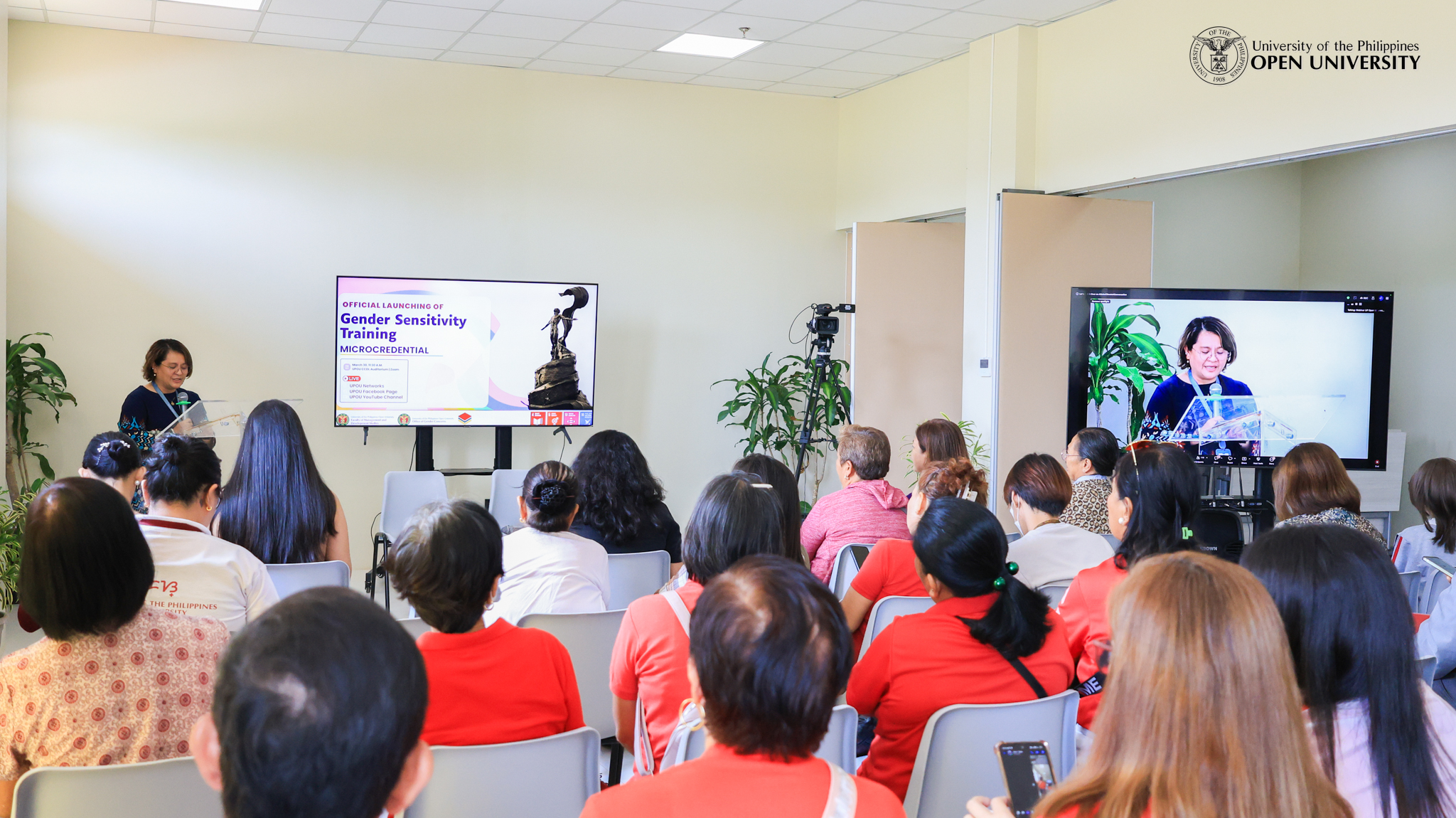
Another highlight of the event was the launch of the Gender Sensitivity Training Microcredential, part of the Gender and Development (GAD) Microcredential series, which seeks to broaden access to gender-responsive learning initiatives both within and beyond the university. This microcredential marks the beginning of the University’s efforts to strengthen Open and Distance e-Learning (ODeL) for Women Empowerment and Gender and Development.
The event also reaffirmed UPOU’s commitment to fostering interdisciplinary dialogue and promoting socially responsive education, particularly in addressing pressing global challenges such as climate change, gender inequality, and community development. These efforts contribute to several Sustainable Development Goals (SDGs), including SDG 4 (Quality Education), SDG 5 (Gender Equality), SDG 10 (Reduced Inequalities), SDG 13 (Climate Action), SDG 16 (Peace, Justice and Strong Institutions), and SDG 17 (Partnerships for the Goals).
Written by: Vanessa Autor • Edited by: Larry N. Cruz
Sustainable Development Goals


FMDS Socials