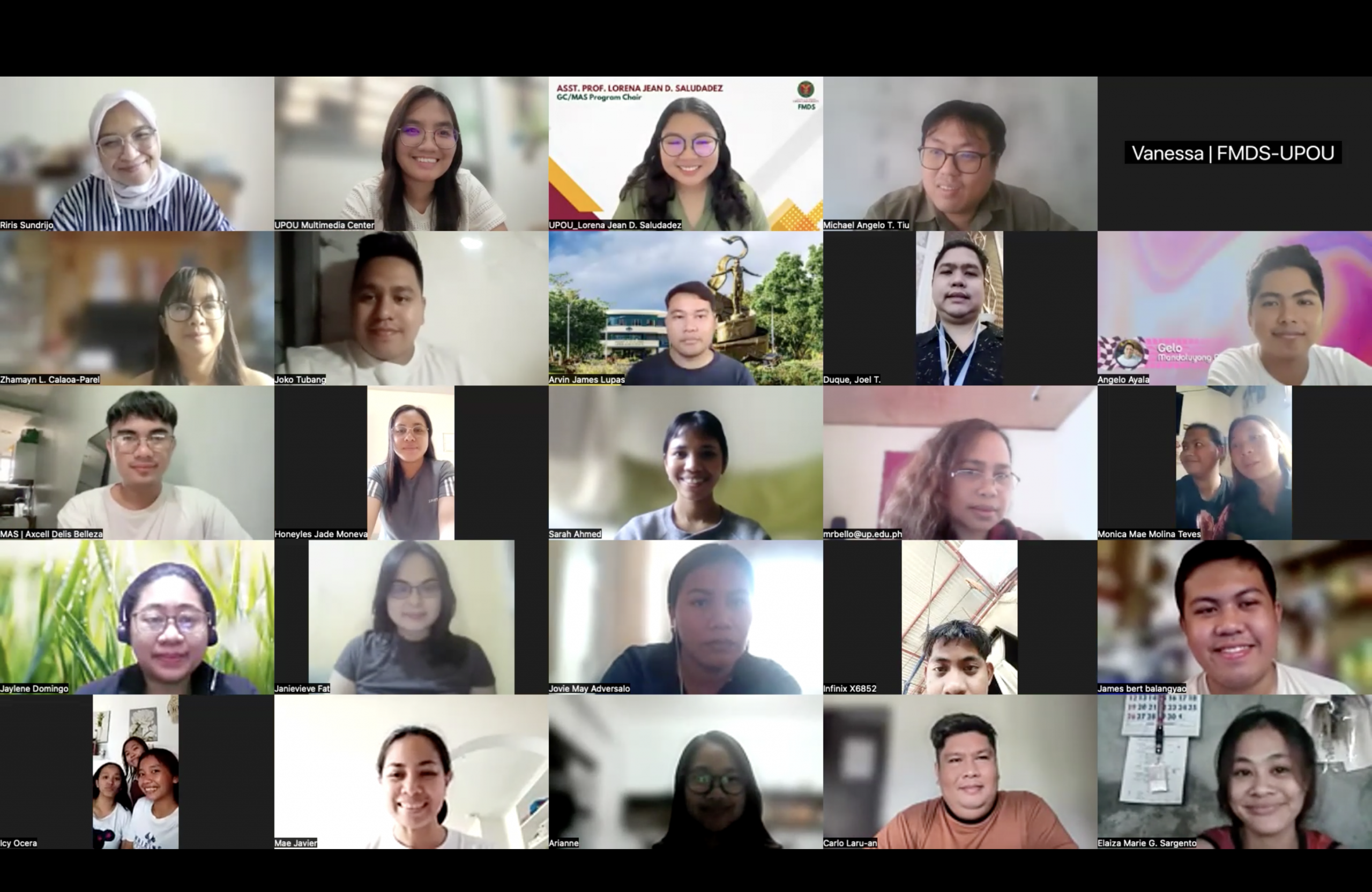
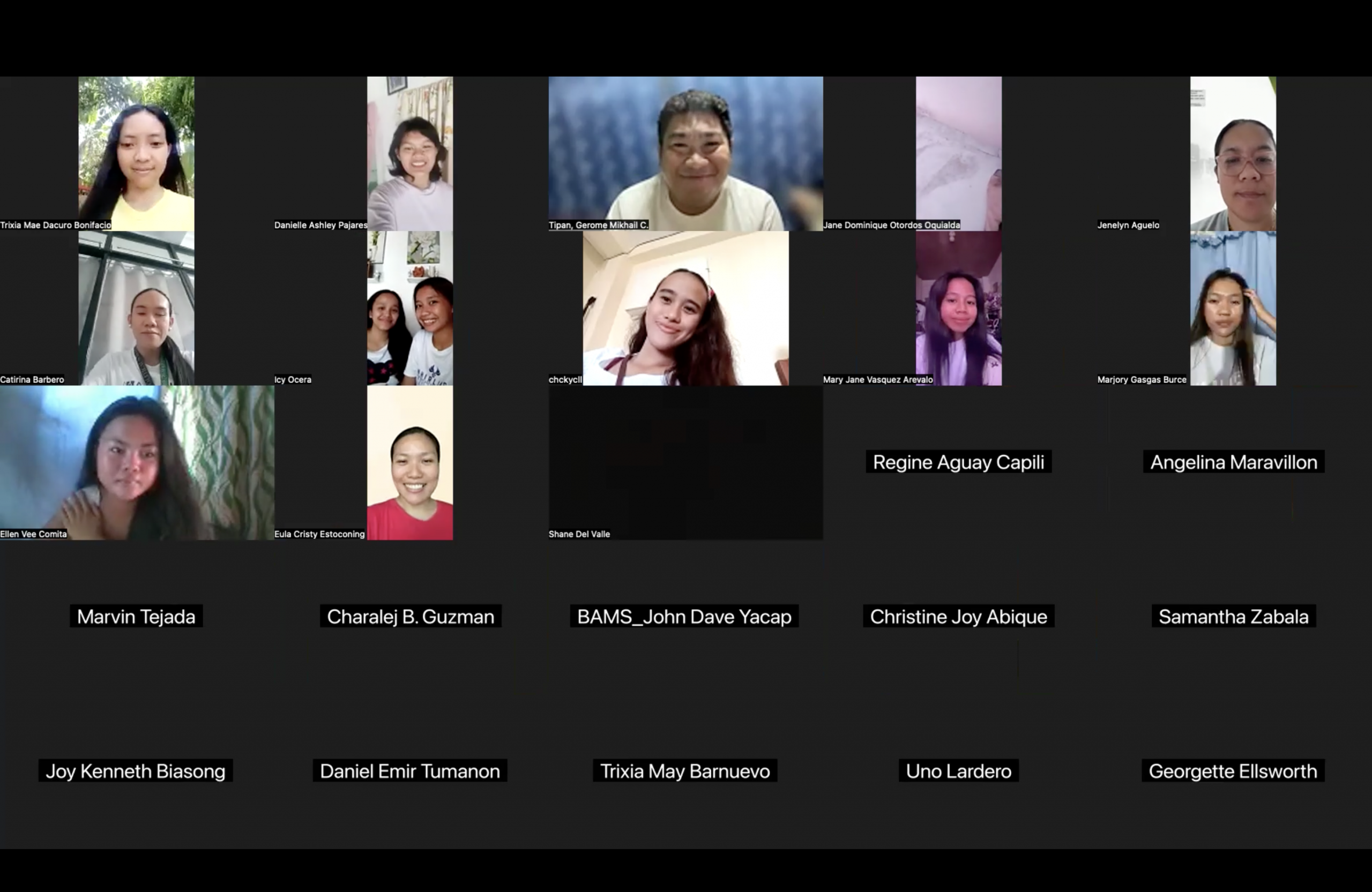
The Faculty of Management and Development Studies (FMDS) of the University of the Philippines Open University (UPOU) successfully conducted a hybrid webinar under the Let’s Talk it Over series titled “Steering ASEAN: The Role of the Chairship in Shaping Regional Priorities” on 18 April 2026, via Zoom. This event marks the first installment of the ASEAN Studies Lecture Series (ASLS), an initiative aimed at promoting broader knowledge sharing and discussions about the ASEAN region.
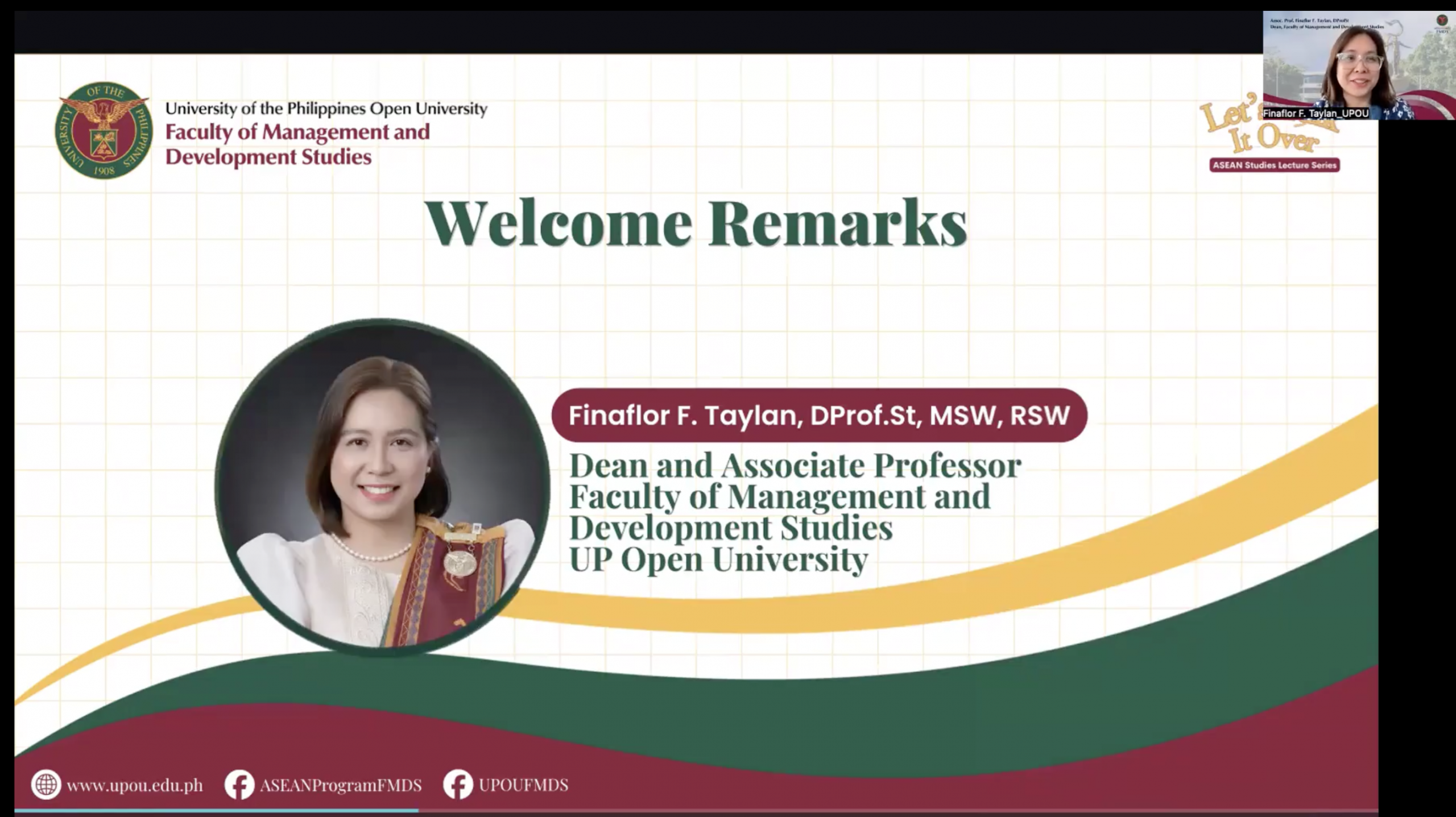
The program officially opened with warm welcome remarks from Associate Professor Finaflor F. Taylan, Dean and Program Chair of the Diploma in and Master of Social Work (D/MSW) programs of FMDS. She invited participants to reflect on how ASEAN chairship shapes regional priorities in areas such as governance, inclusive development, and social protection, among others. She emphasized that this serves as an opportunity to advance a more inclusive, resilient, and people-centered ASEAN. She also expressed hope that the session would spark meaningful insights for both scholarship and practice across various fields.
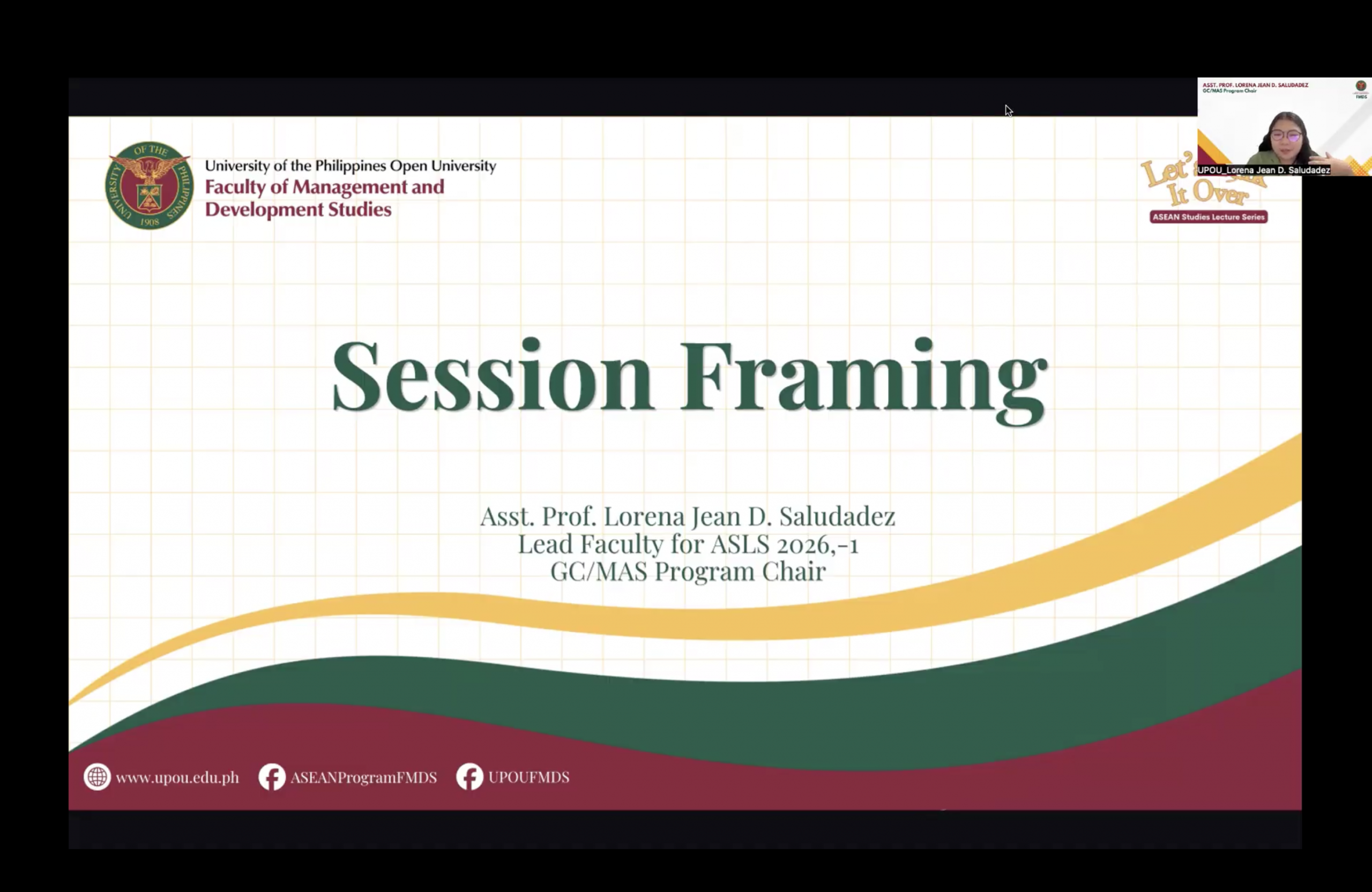
Building on this, Assistant Professor Lorena Jean D. Saludadez, Program Chair of the Graduate Certificate in and Master of ASEAN Studies (GC/MAS) programs of FMDS and lead faculty for ASLS 1, provided the session framing by outlining the objectives of ASLS and highlighting the priorities of the Philippines in relation to its ASEAN Chairship, which revolve around the three community pillars, namely: ASEAN Political-Security Community (APSC), ASEAN Economic Community (AEC), and ASEAN Socio-Cultural Community (ASCC). She also emphasized the significance of the ASEAN Chairship as a mechanism in shaping regional priorities and strengthening cooperation among member states.
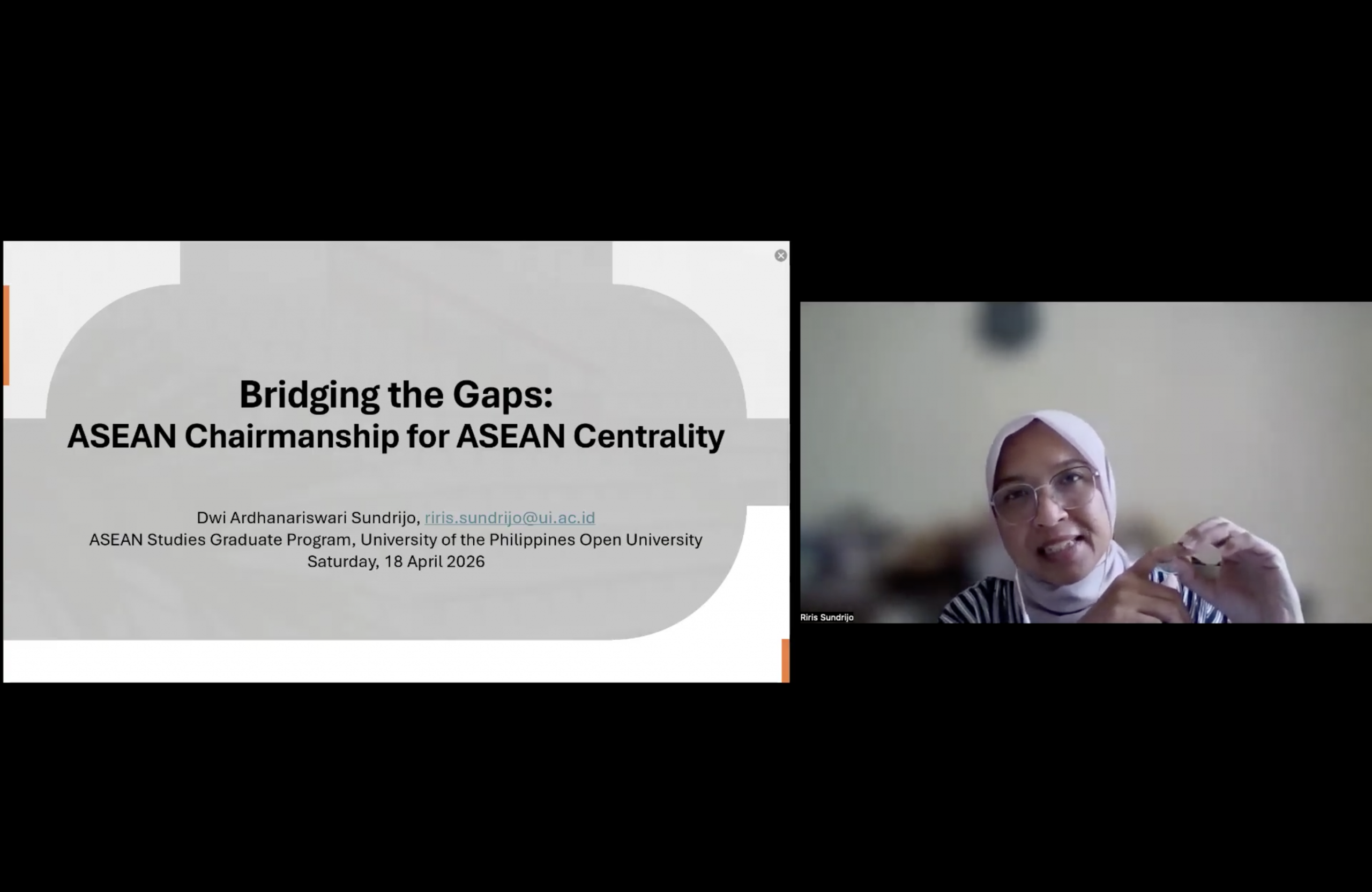
The lecture featured Dr. Dwi Ardhanariswari Sundrijo, Assistant Professor on Transnationalism at the Department of International Relations, Universitas Indonesia. She shared insights on the topic “Bridging the Gaps: ASEAN Chairmanship for ASEAN Centrality,” emphasizing that the ASEAN Chairmanship serves as the “heart of regional agency” and plays a pivotal role in shaping the direction of regional cooperation. She also discussed the concept of “decentralizing the center” by strengthening the ASEAN Way to work more effectively for the region through shared leadership and collective responsibility among member states.
Dr. Sundrijo also stressed the need to move away from purely symbolic expressions of sovereignty toward more substantive regional agency that delivers tangible outcomes for the people of Southeast Asia. As a point of reflection, she raised a critical question on whether a rotating chairmanship can ever fully represent the ASEAN interest, or whether it will always remain a temporary reflection of national priorities.
The discussion was followed by an interactive open forum, where participants raised questions on ASEAN’s responsiveness to current geopolitical developments and the future of regional cooperation. The discussion reinforced the importance of effective leadership in advancing ASEAN integration.
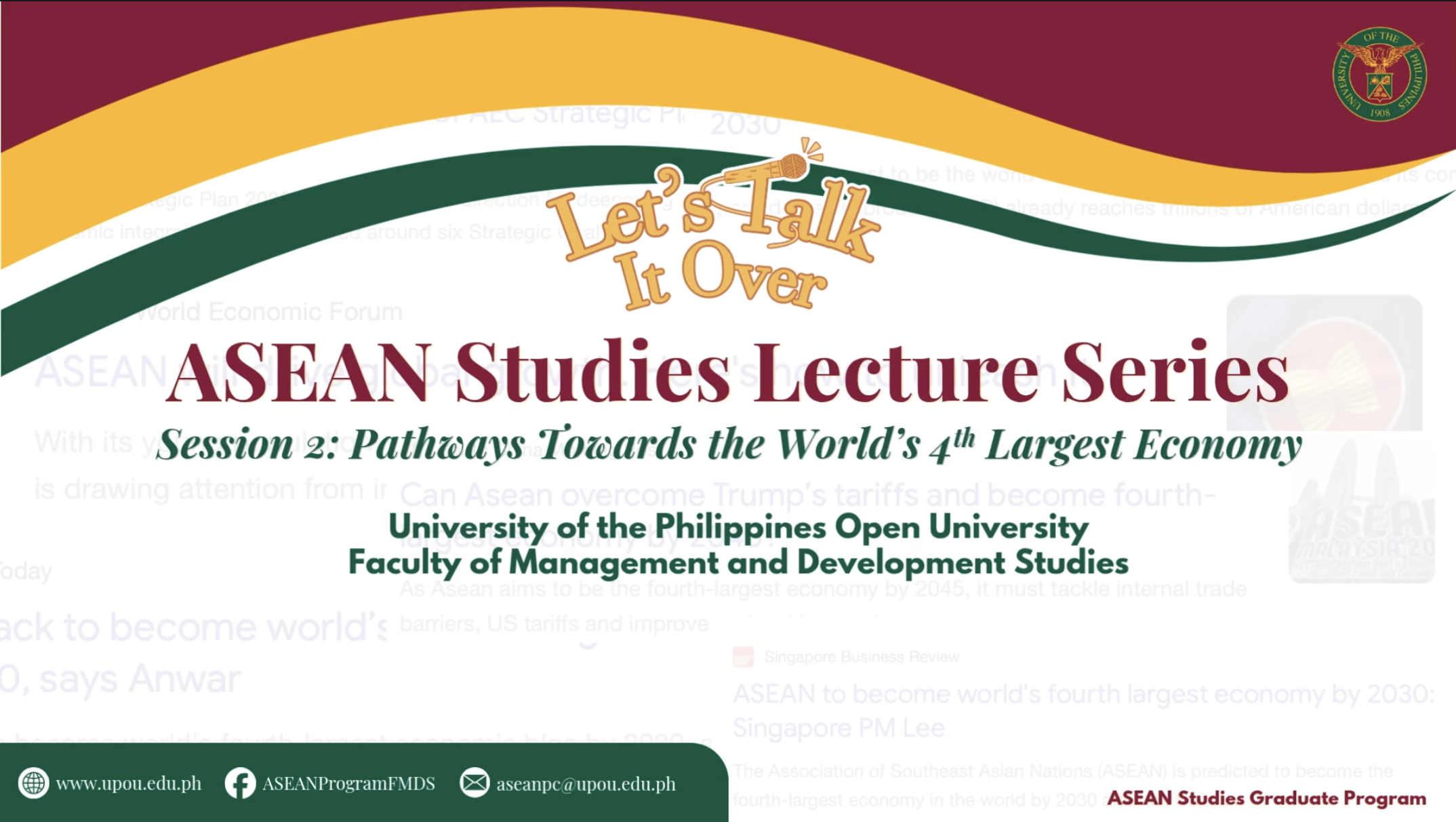
An overview of the next session was also presented, providing participants with a preview of the continuing ASLS and its upcoming focus.
The event contributes to the achievement of key Sustainable Development Goals (SDGs), particularly SDG 4: Quality Education, by advancing academic learning and critical engagement on regional issues; SDG 16: Peace, Justice, and Strong Institutions, by strengthening understanding of ASEAN governance and institutional cooperation; and SDG 17: Partnerships for the Goals, by promoting regional collaboration and knowledge exchange among member states.
Don’t miss the next session of the ASLS on 23 May 2026, from 10:00 AM – 11:15 AM, via Zoom, as we explore the pathways toward becoming the world’s 4th largest economy.
Register here: https://url.upou.edu.ph/LTIO-Reg23May26
Written by: Vanessa T. Autor • Edited by: Larry N. Cruz
Sustainable Development Goals


FMDS Socials