
The project titled “Enhancing Sustainability, Profitability, and Inclusiveness of Coffee Value Chains Involving IP Communities: The Case of Kianga and Asipulo, Ifugao and Patikul, Sulu” and funded by the Philippine Council for Agriculture, Aquatic and Natural Resources Research and Development (PCAARRD), under the supervision of the University of the Philippines Open University (UPOU) – Faculty of Management and Development Studies (FMDS)is now in its final quarter of implementation. At this point, the project has developed the inclusive value chain framework based on the current situation of the coffee industry in Kiangan and Asipulo, Ifugao and Patikul, Sulu.
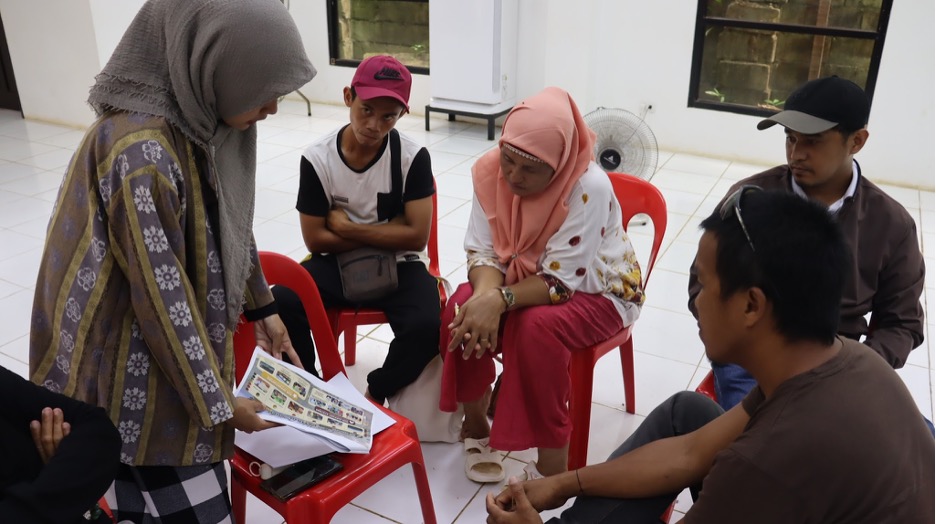
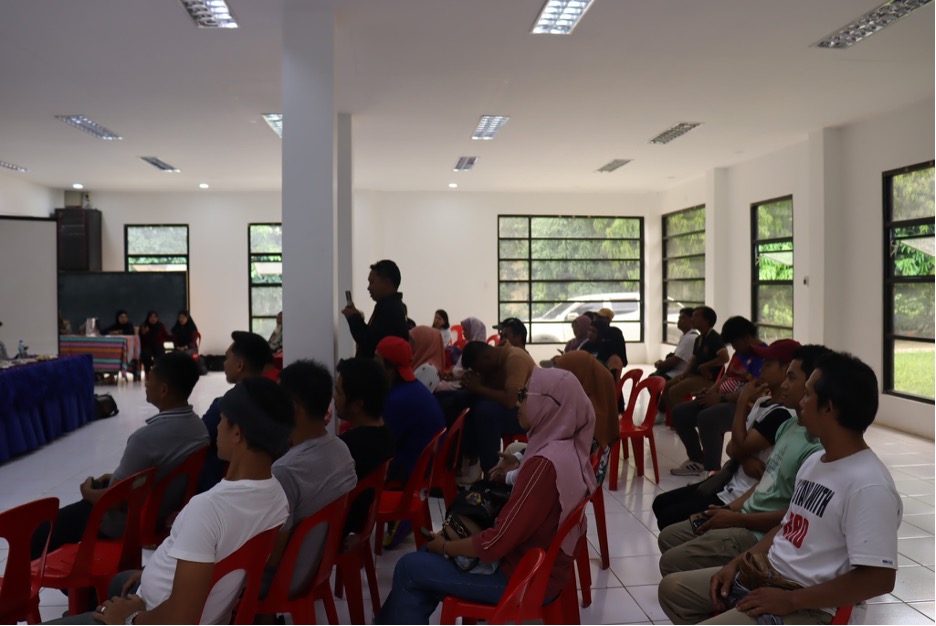
On 17 May 2026, the project team composed of Dr. Joane V. Serrano (Project Leader), Dr. Sherry B. Marasigan (Co-Project Leader), Ms. Mary Grace Q. Campollo (Project Technical Assistant), together with the resource persons, Ms. Janele Ann Belegal and Ms. Cherry Rose L. Urriquia, went to Sulu to pilot test the developed inclusive intervention model titled “Lamud Suntuan Makatabang ha Kahawa Sug”. The framework was presented to the key officials of coffee industry involving the Ministry of Trade, Investment and Tourism, Office of the Provincial Agriculturist, Sulu Coffee Federation, Philippine Coconut Authority, Local Government Unit of coffee producing barangays, Mindanao State University (MSU)-Sulu College of Agriculture, and representative farmers from coffee producing barangays at MSU-Sulu.
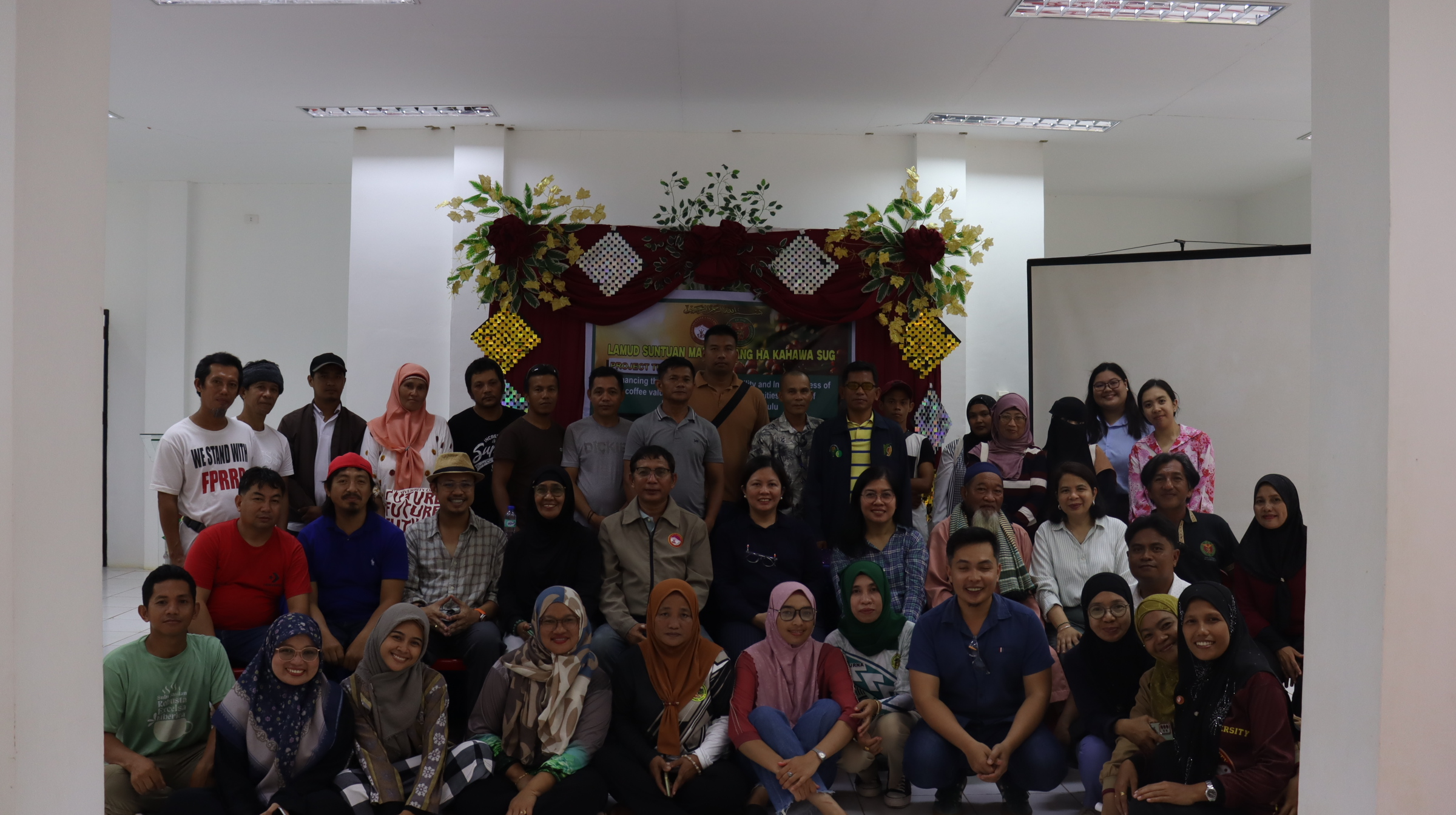
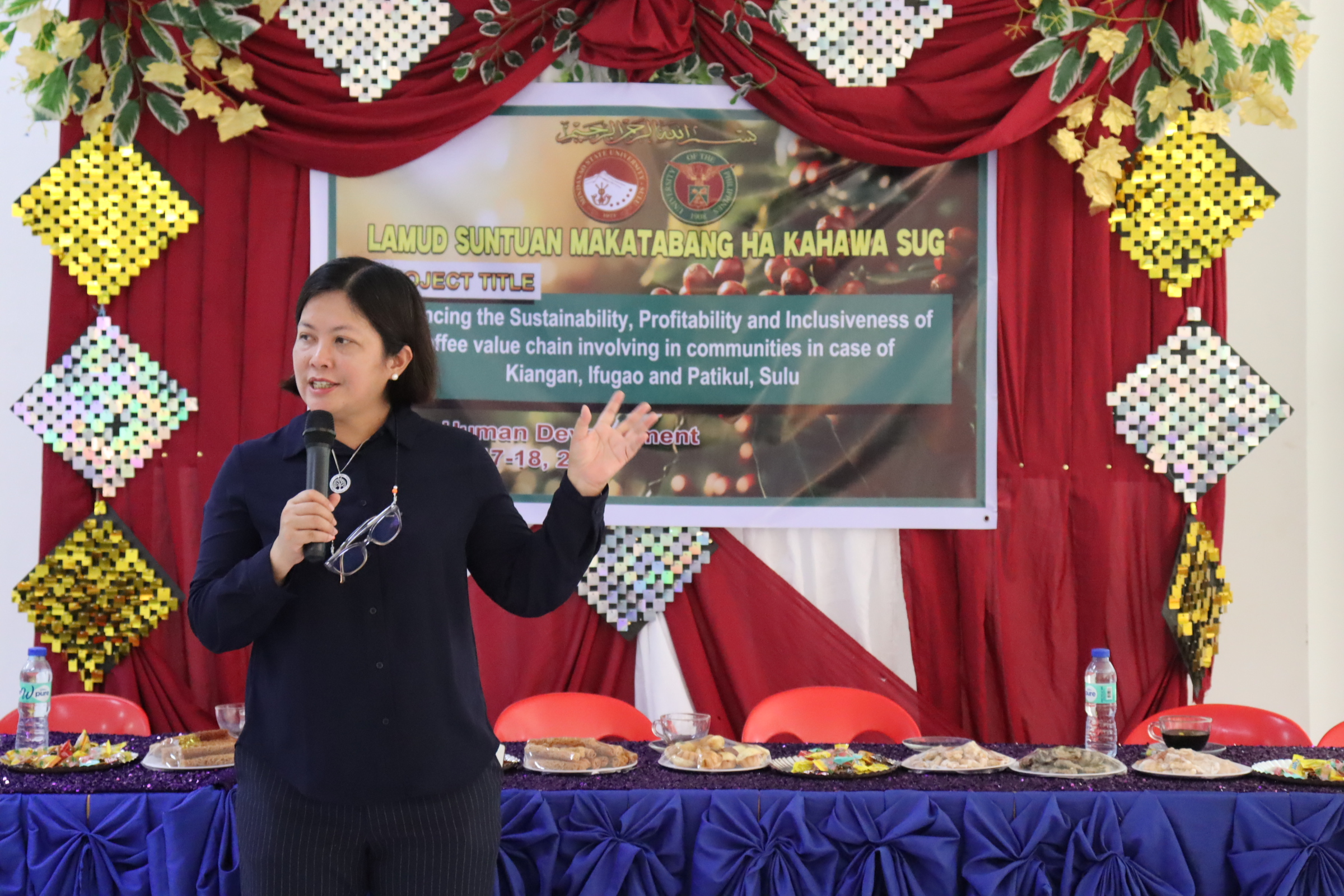
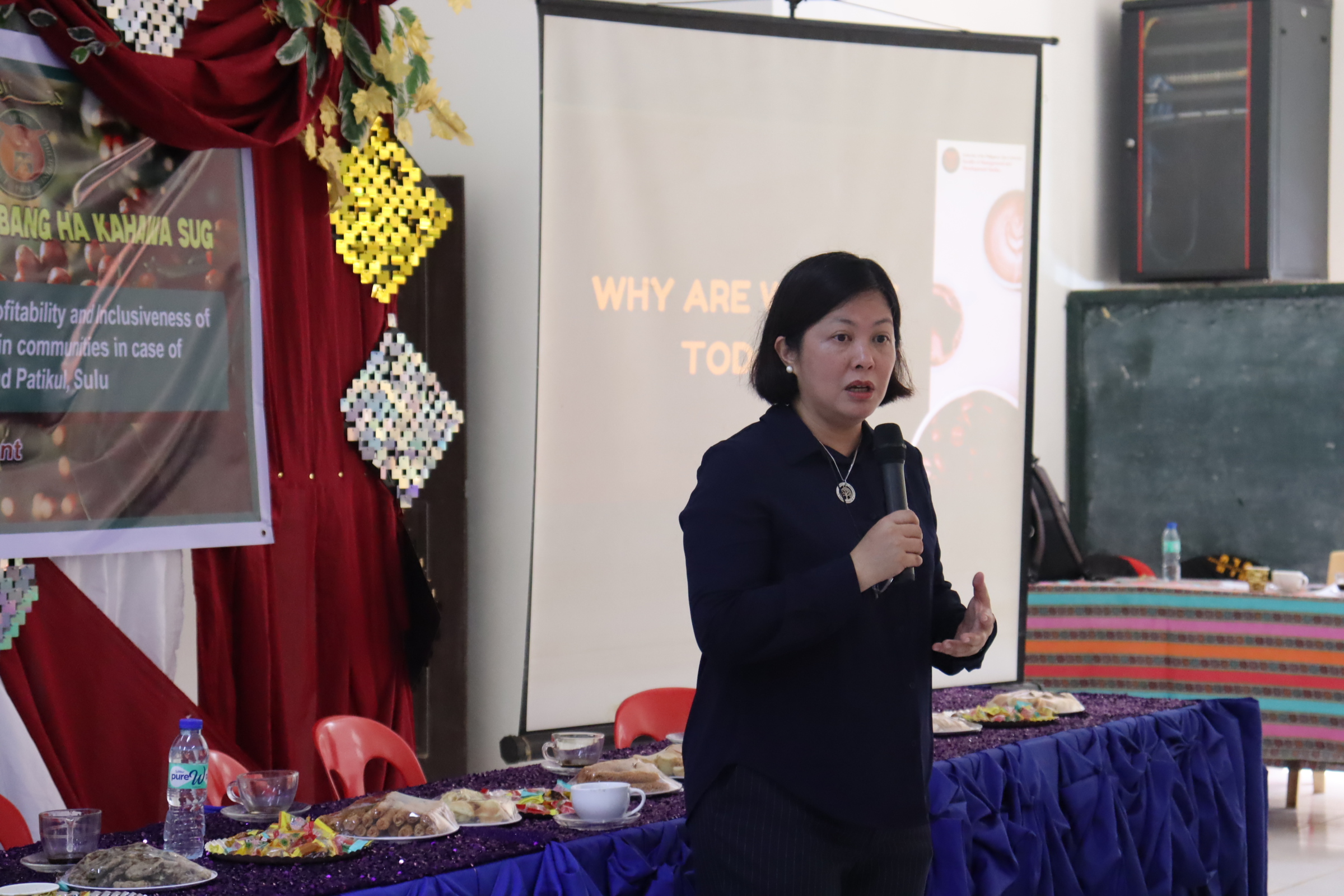
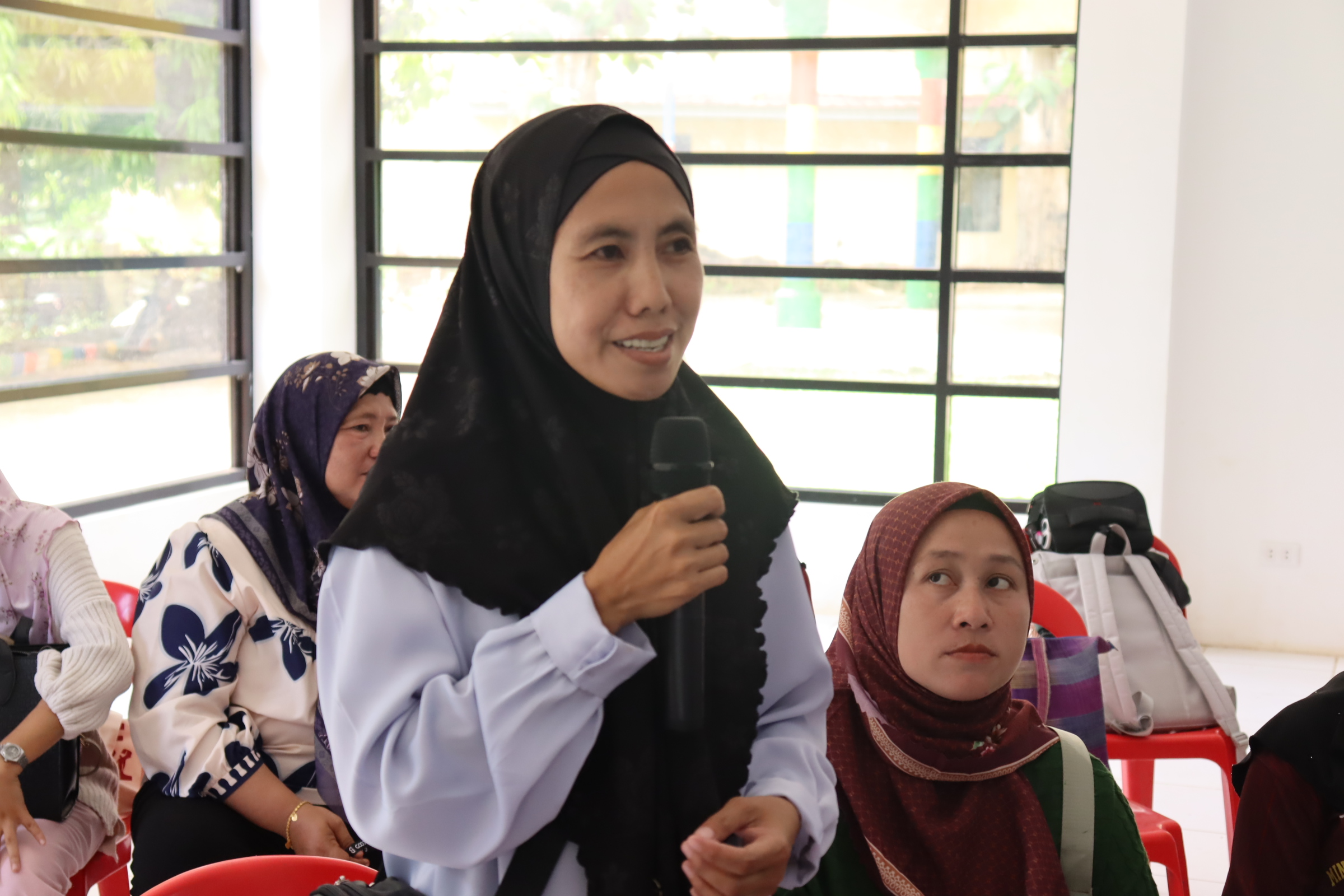
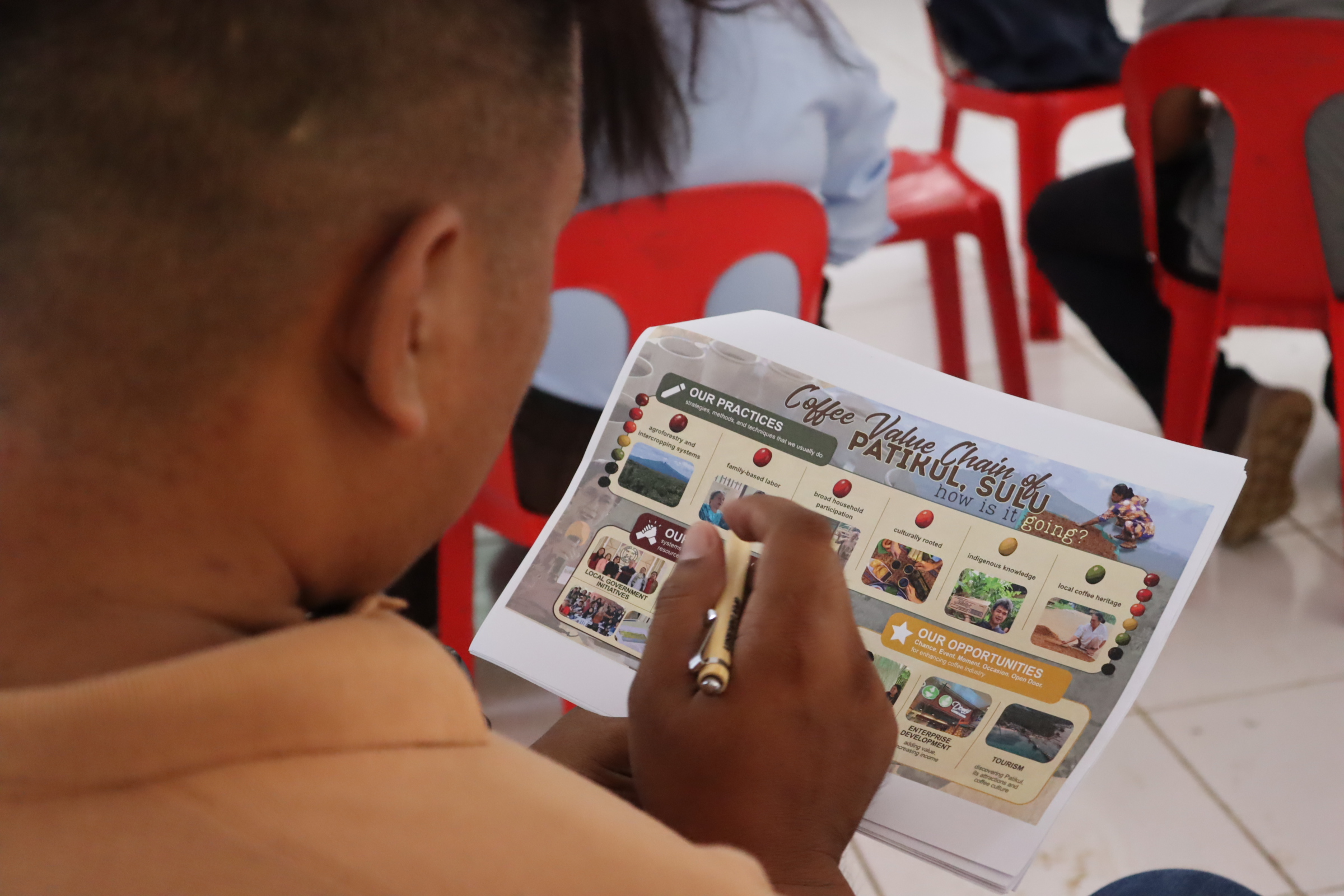
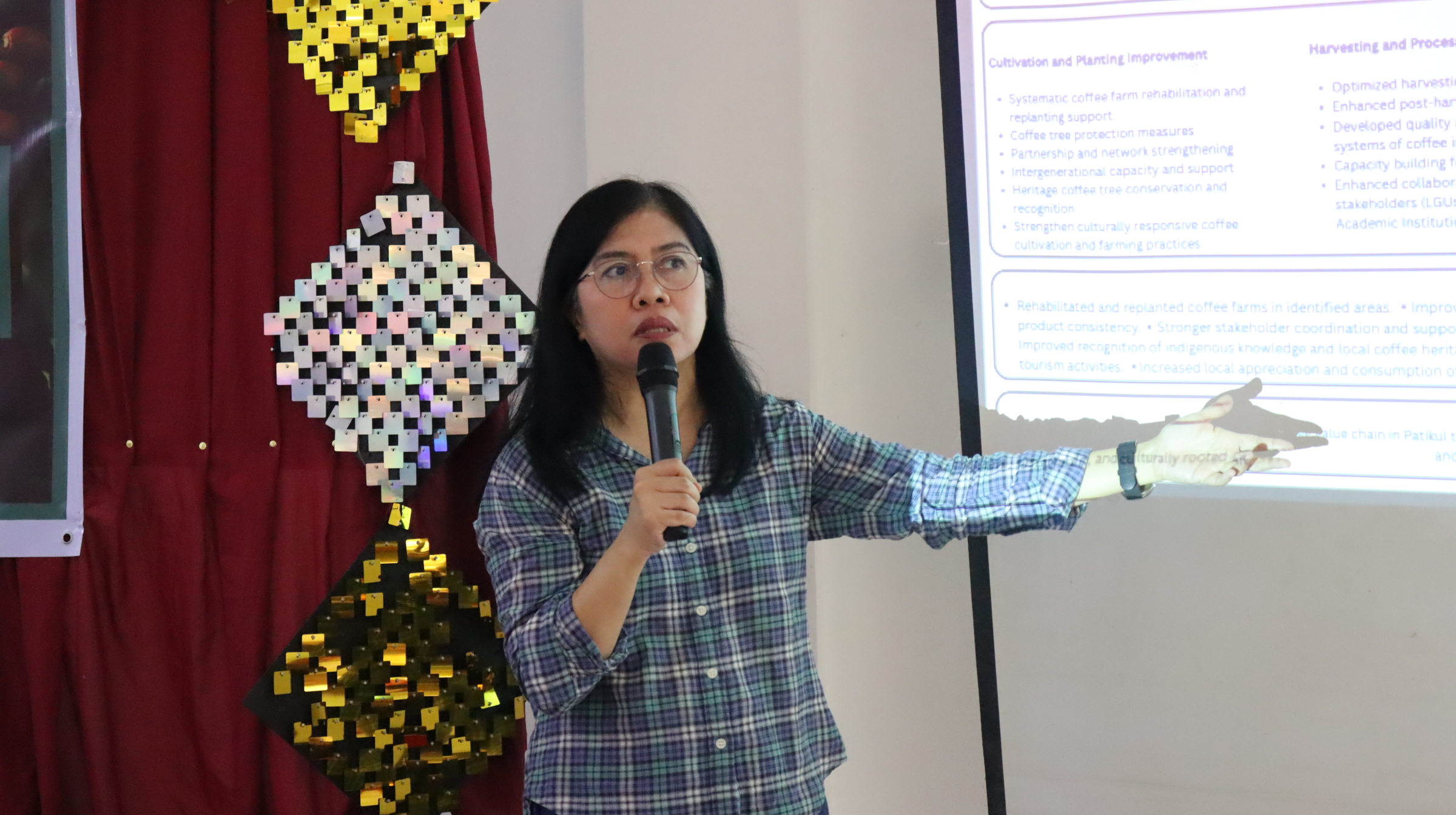
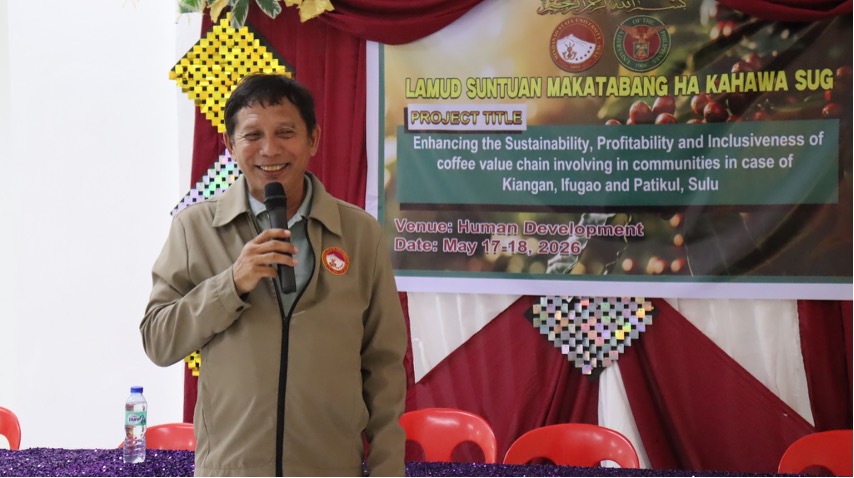
The project team presented all sections of the framework including the context/gaps/baseline, existing practices and supporting mechanisms, intervention model of the value chain components, short-term outcomes and long-term impacts. This framework highlights the intervention model that could possibly address the gaps identified and could enhance the existing practices and support mechanisms. While the framework was customized solely for the coffee value chain of Patikul, this aims to enhance all aspects of the industry. During the presentation, the feedback and comments of the stakeholders were simultaneously sought, facilitated by the MSU-Sulu Faculty, to collectively finalize the whole intervention model. The activities were productively concluded with enhanced framework and captured positive comments from the participants.
Written by: Mary Grace Campollo • Edited by: Larry N. Cruz
Sustainable Development Goals


FMDS Socials