
The Faculty of Management and Development Studies (FMDS) of the University of the Philippines Open University (UPOU) conducted another run of Project LAKBAY (Learning Actively through Knowledge-Based Appreciation for Youth) from 03 to 13 February 2026. The 10-day youth immersion camp combined heritage exploration, academic learning, sustainability initiatives, cultural exchange, and community engagement, providing participants with a holistic and experiential educational experience. Project LAKBAY has been a regular program of FMDS, under its Youth and Children Empowerment (YaCE) as part of Community Inclusivity, Digital Transformation, and Acceleration towards Sustainability (CIDAS).
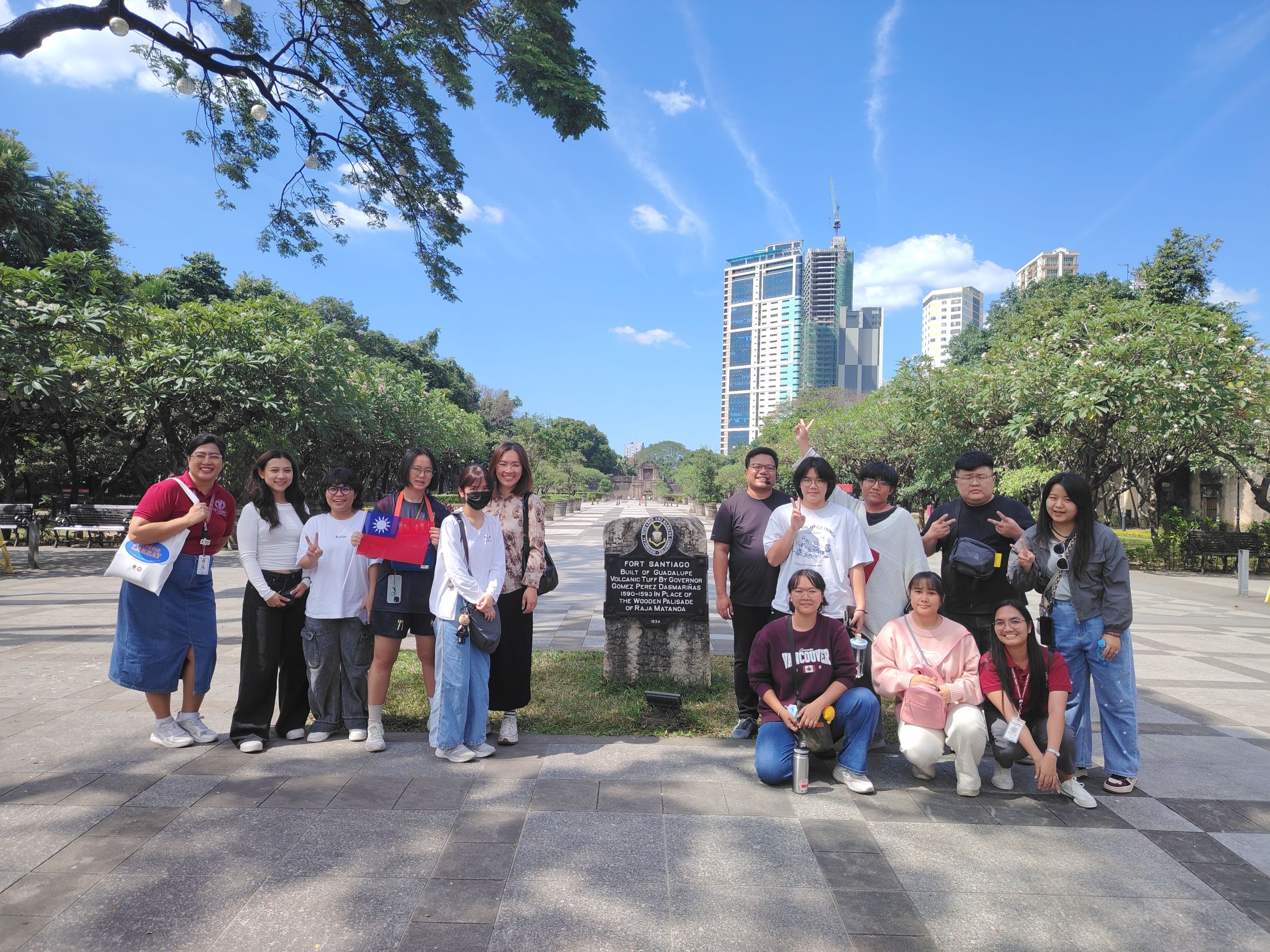
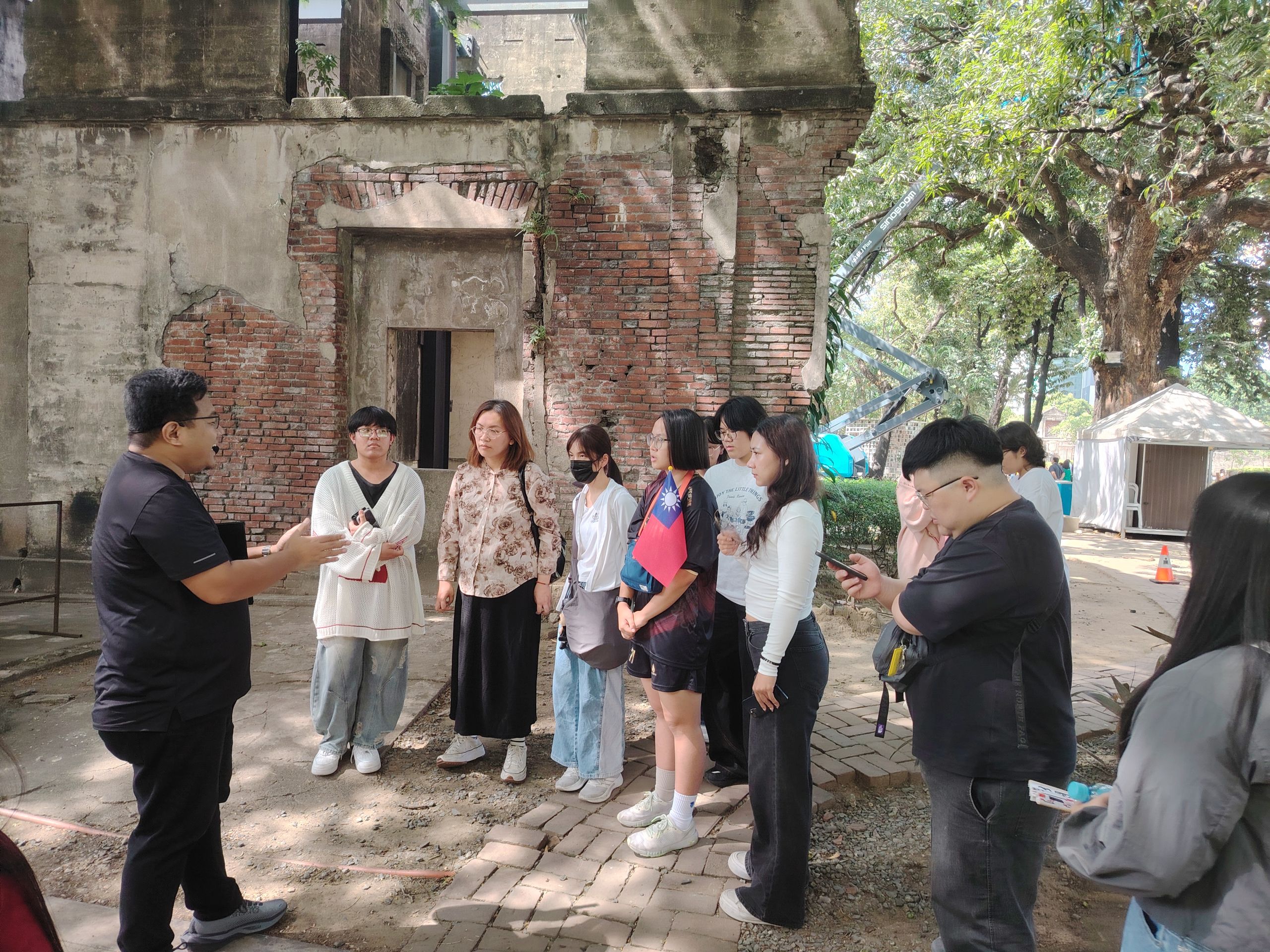
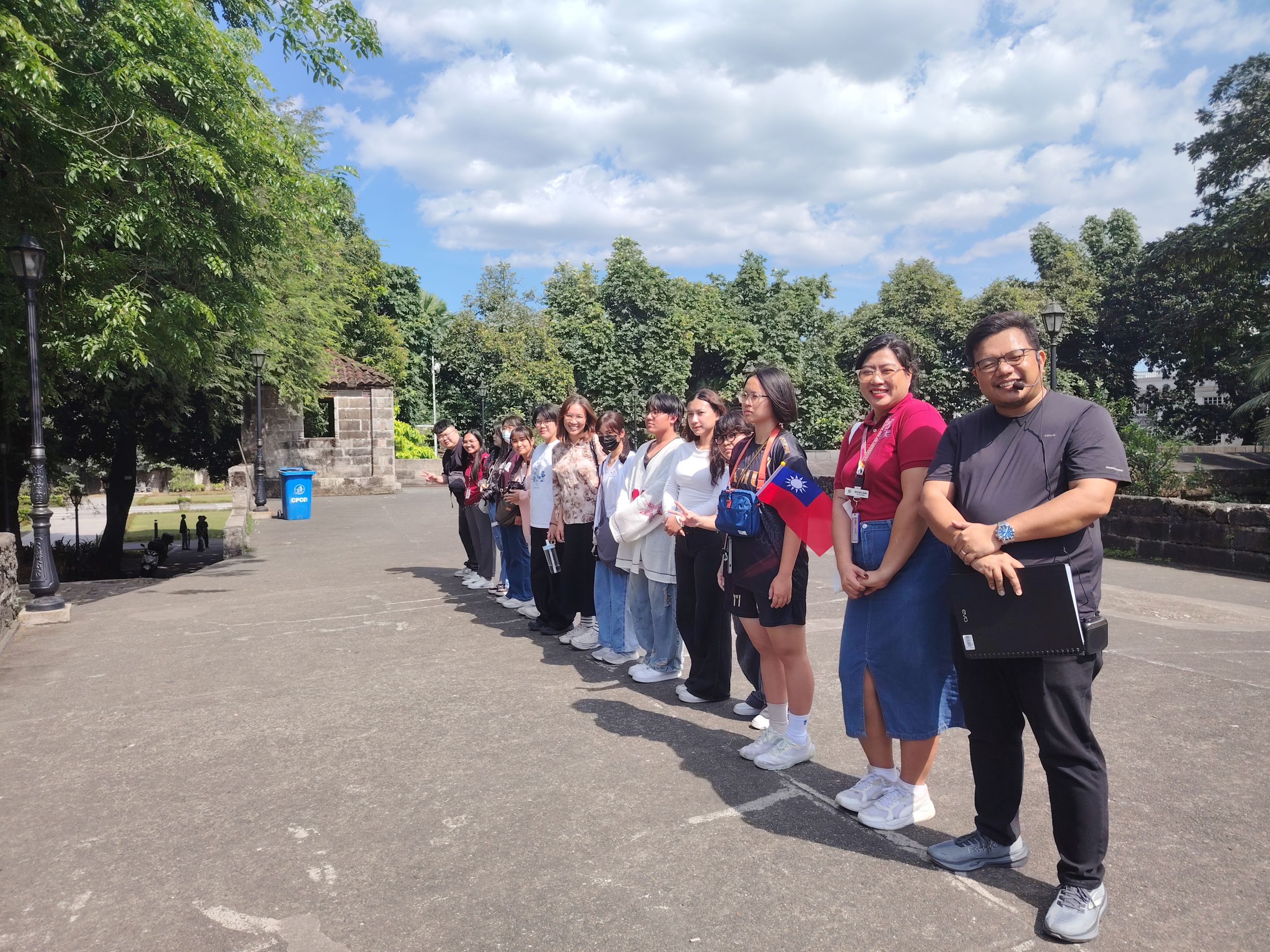
The program started on the day of the delegate’s arrival with a heritage tour at Intramuros, Manila, where participants explored historical landmarks and reflected on the country’s colonial past. The tour also underscored the historical and cultural connections between the Philippines and Taiwan, particularly through their shared experiences under Spanish and Japanese rule, as well as the influence of trade, migration, and regional exchange in shaping both societies.
A welcome gathering later that day fostered connections among delegates and facilitators, setting a collaborative and engaging tone for the days ahead.
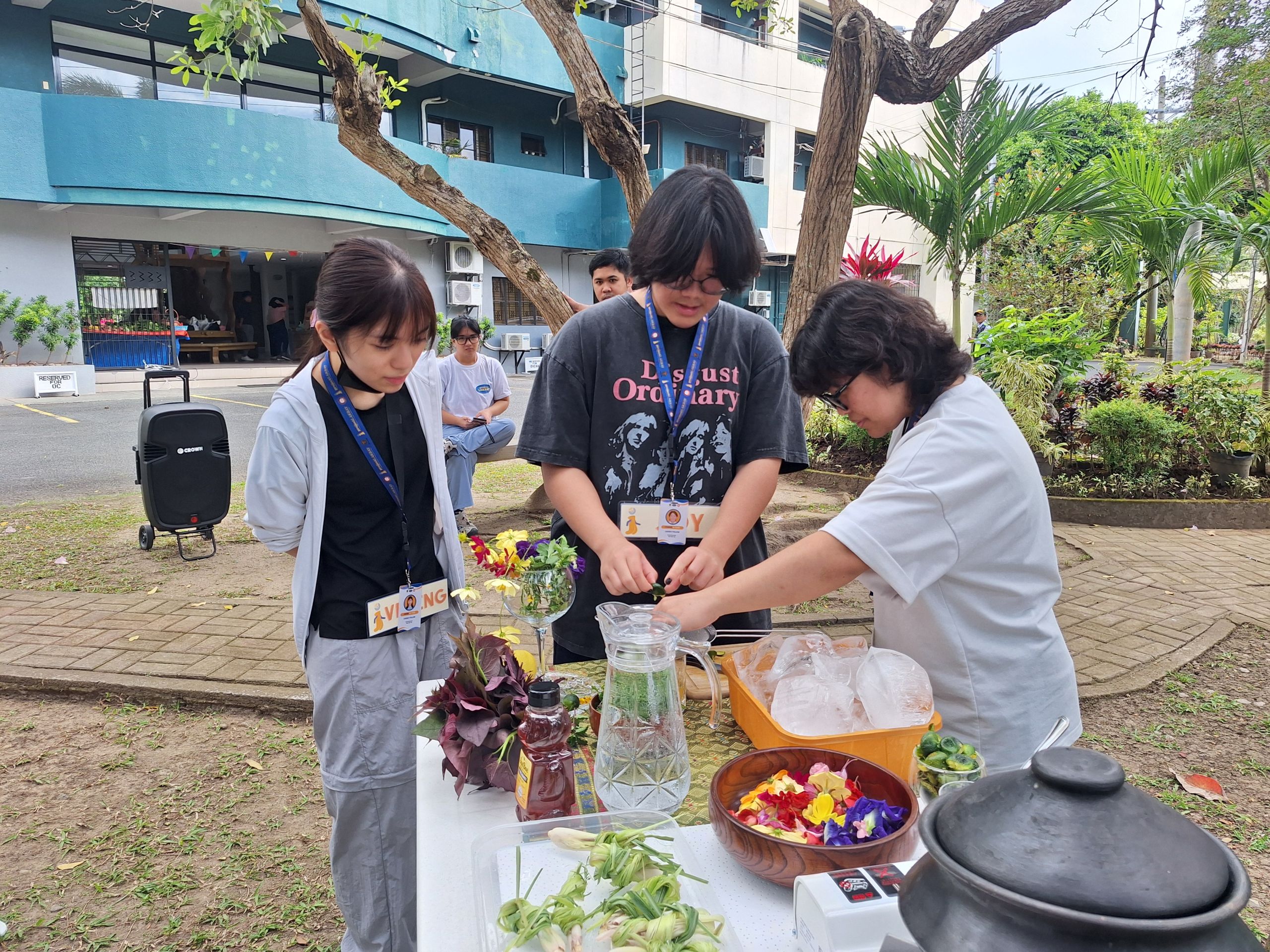
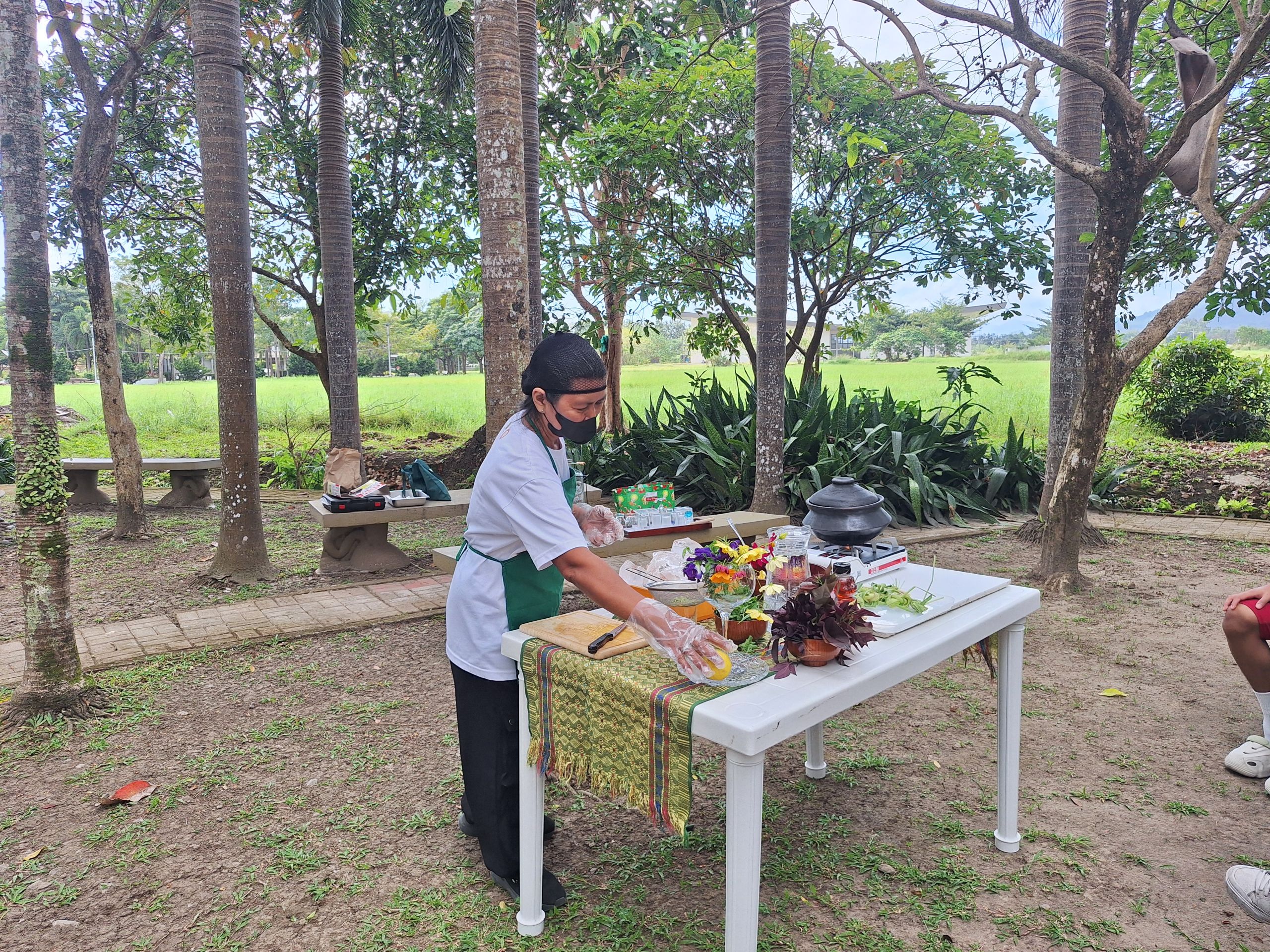
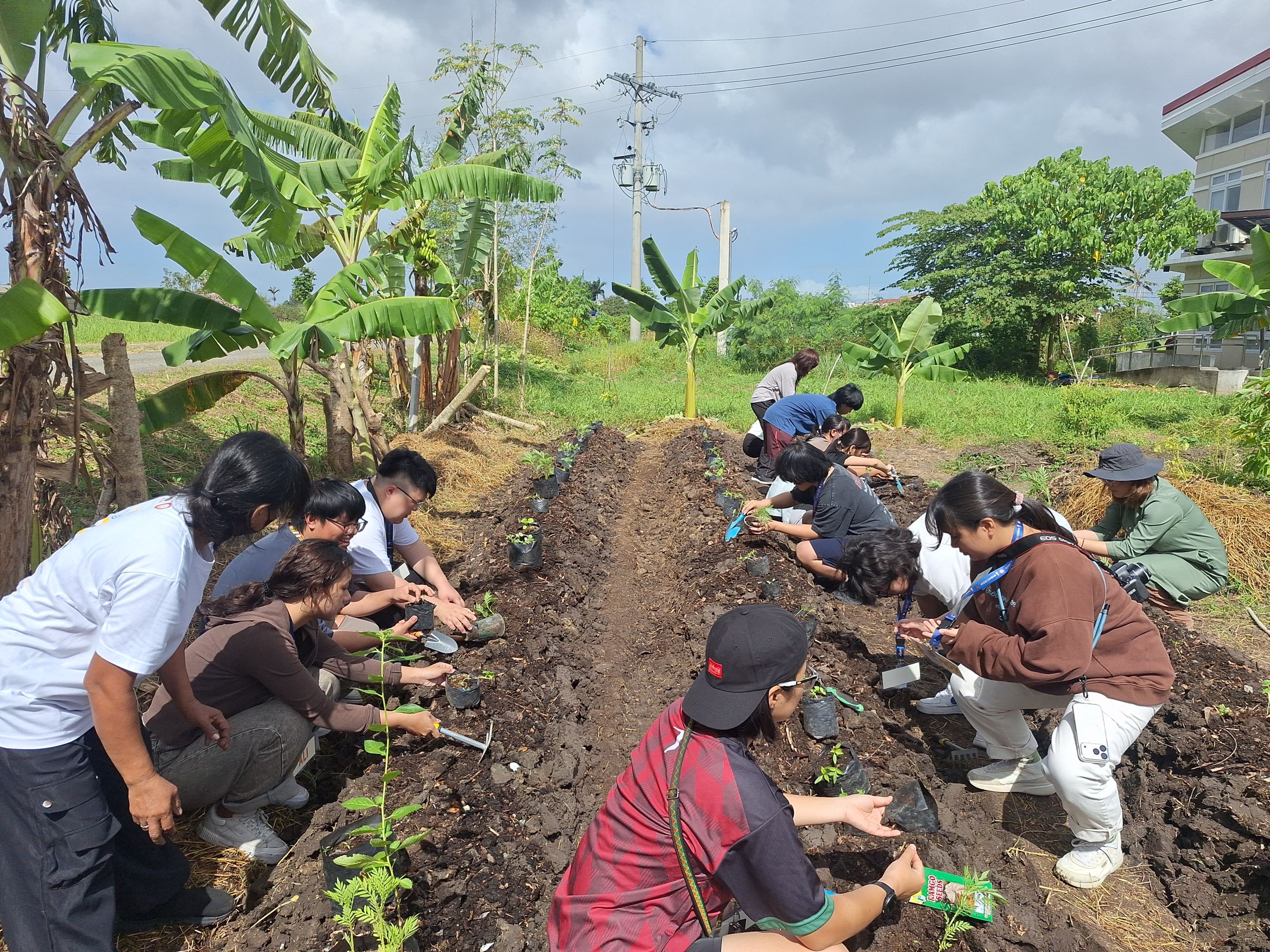
Sustainability and environmental awareness were also emphasized in the camp. Participants visited OUgnayan Wednesdays, where they interacted with the partner community merchants and learned about locally driven social entrepreneurship initiatives. They also took part in an infused water demonstration, led by Ms. Maryjane Reondanga, Junior Utility Worker, promoting healthy and eco-conscious practices, as well as a planting activity at the FMDS Permaculture G.A.R.D.E.N. These activities encouraged participants to explore practical ways of incorporating sustainable habits into their daily lives.
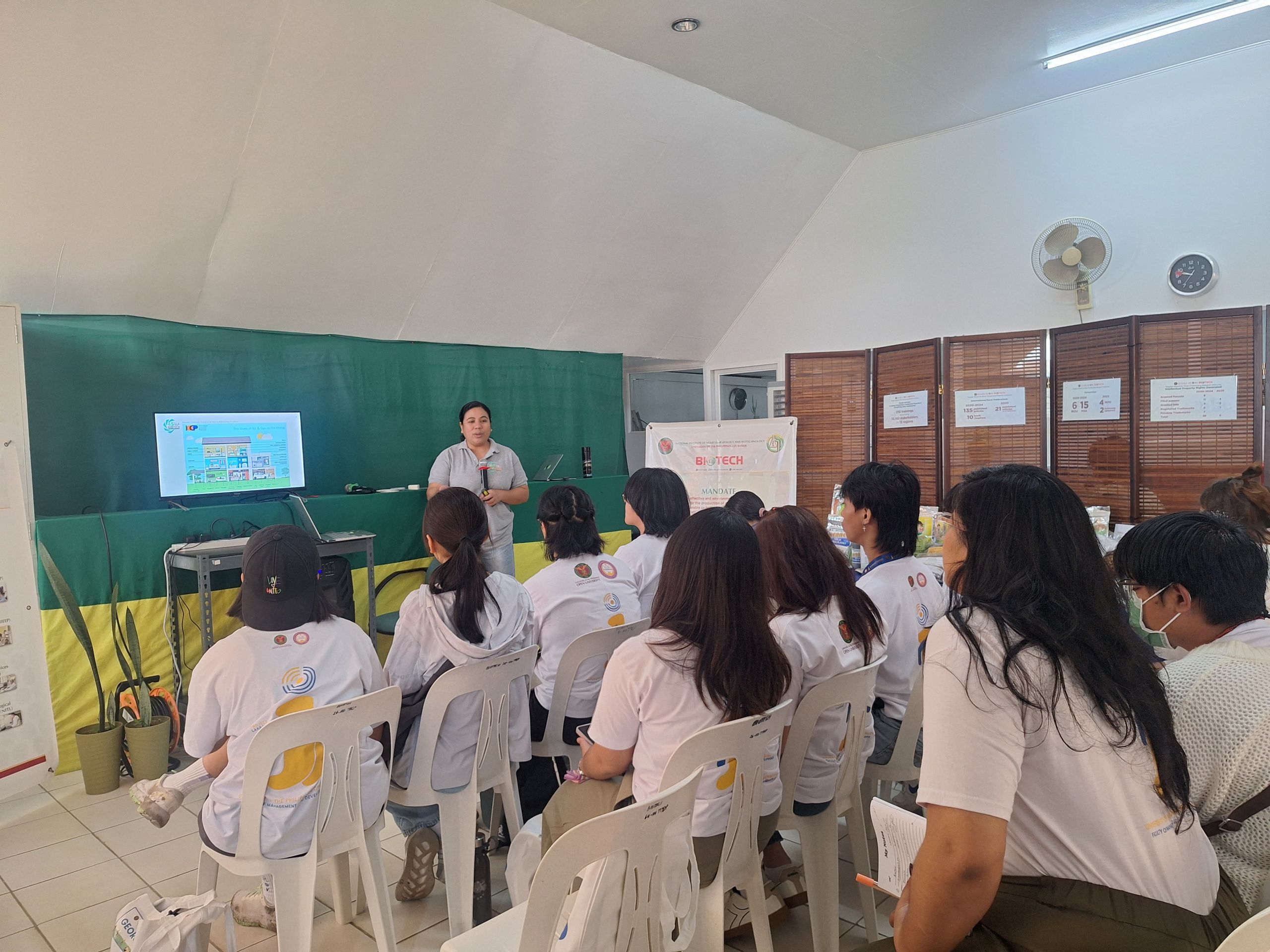
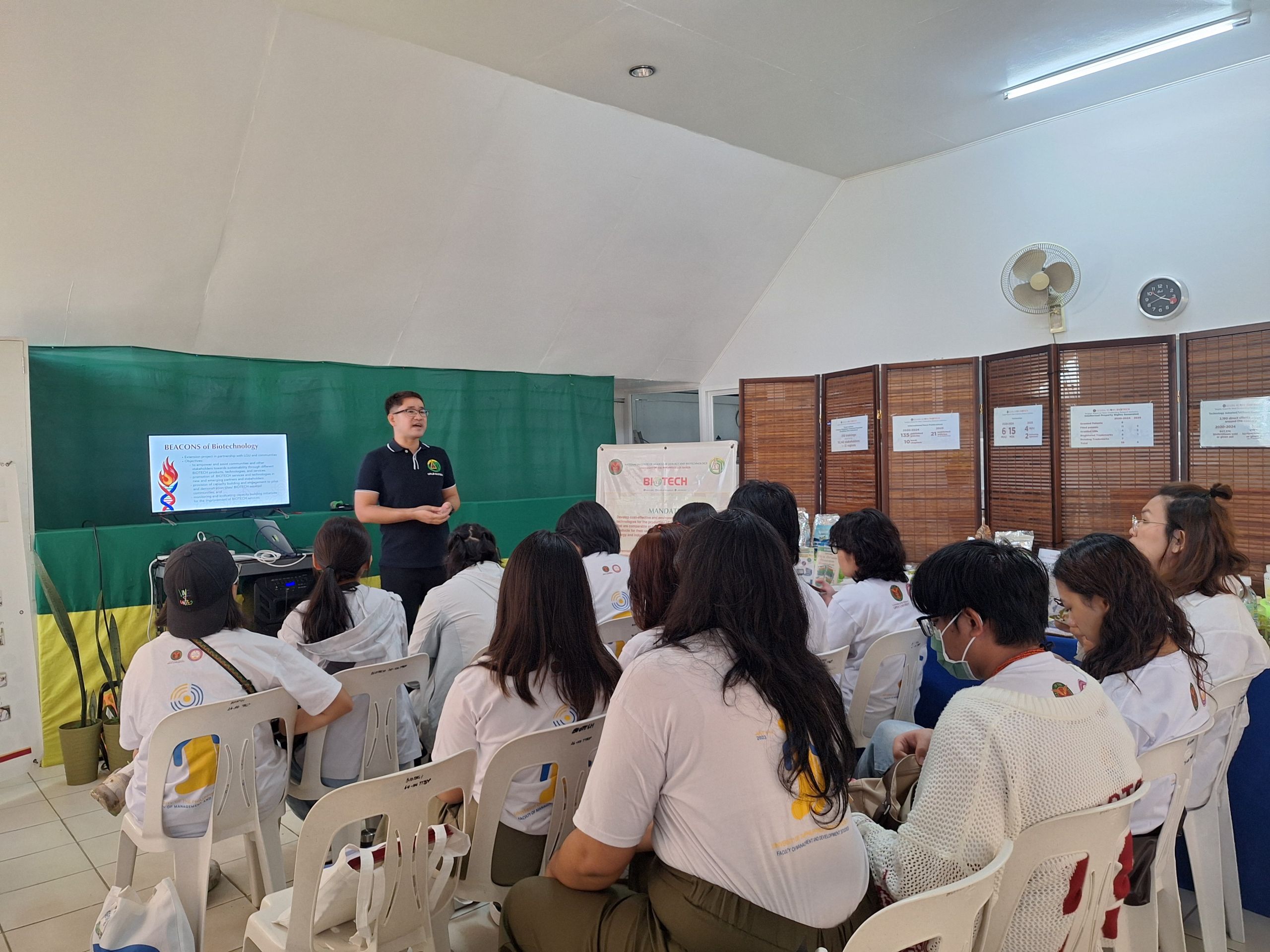
Institutional learning visits formed another key component of Project LAKBAY. Participants visited the National Institute of Molecular Biology and Biotechnology (BIOTECH) at the University of the Philippines Los Baños (UPLB), where they were introduced to advancements in biotechnology, including research on microbial applications, diagnostics, and bioproduct development that support agriculture, forestry, health, and industry. Discussions also emphasized the importance of balancing economic gains with environmental sustainability, ensuring that innovations remain responsible and beneficial in the long term. Participants were encouraged to value hands-on experiences, allowing communities to directly engage with technologies and witness their tangible results.
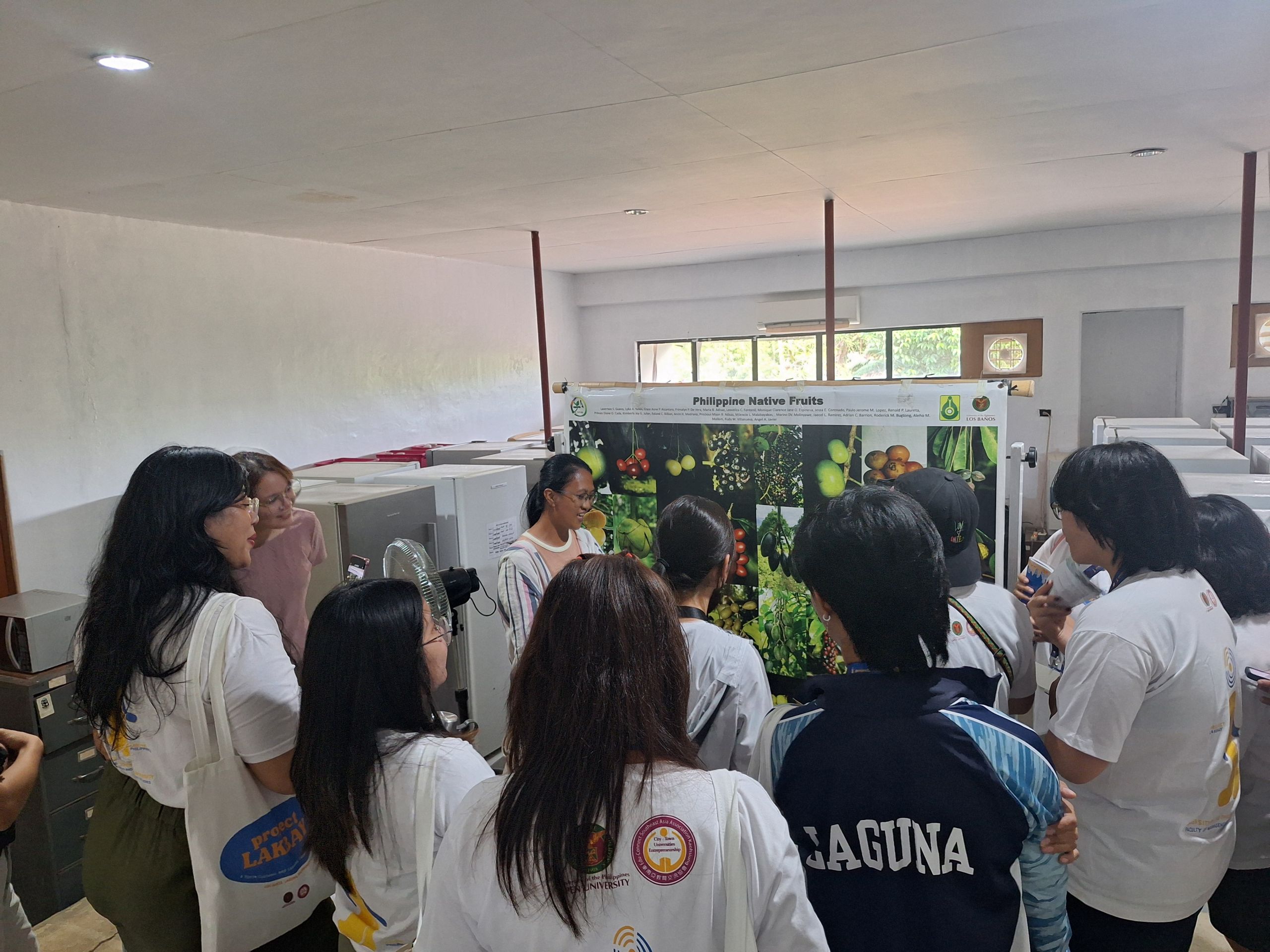
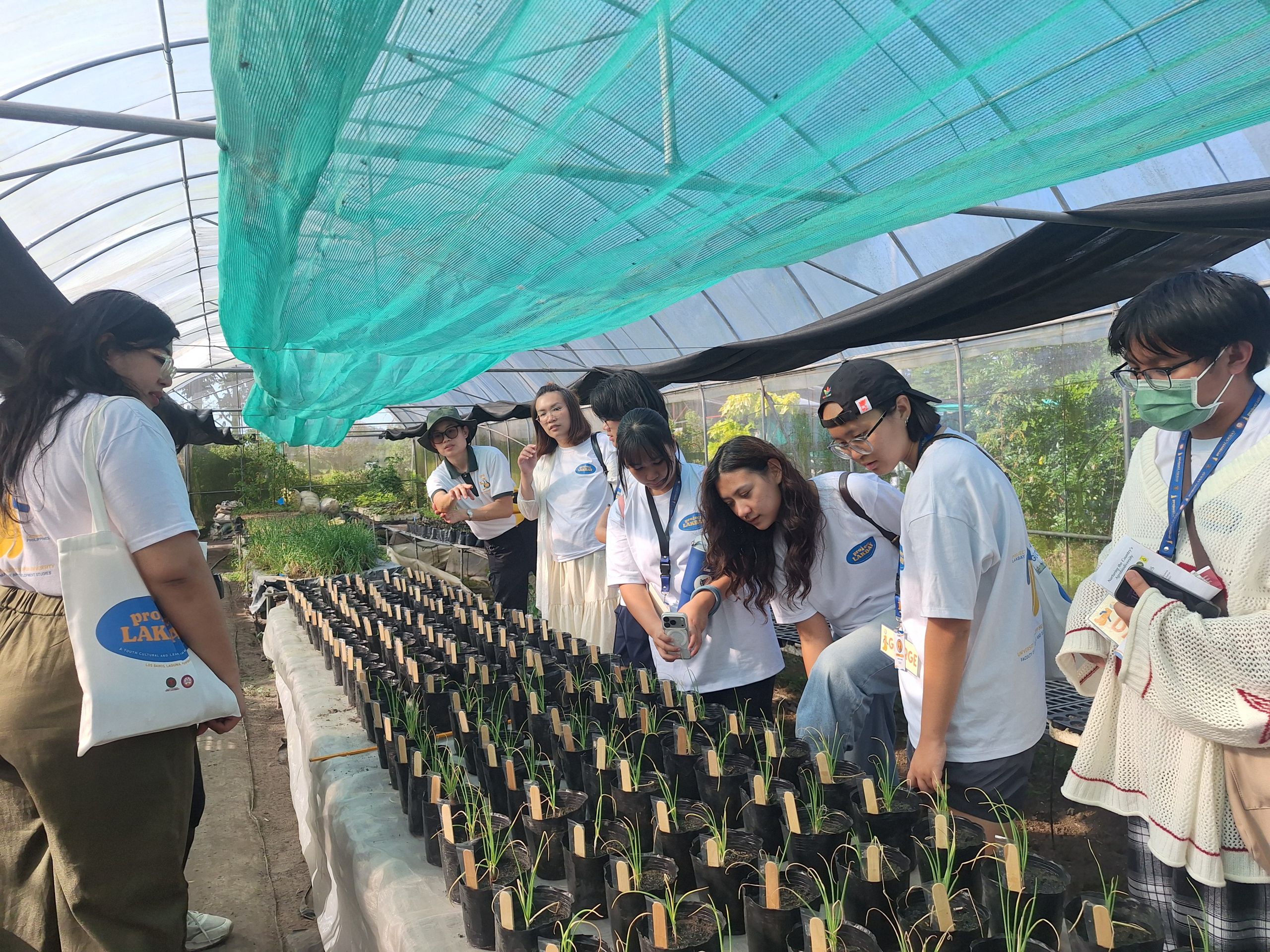
They also visited the Institute of Plant Breeding (IPB), including a stop at Binhing Pamana, where they gained deeper insights into the importance of conserving traditional and improved seed varieties as part of the country’s agricultural heritage. The visit highlighted ongoing efforts in seed conservation, crop improvement, and the development of high-yielding and climate-resilient varieties essential for sustainable agriculture and food security. Participants were also introduced to how these initiatives support farmers by providing access to quality seeds, while preserving biodiversity and strengthening resilience to changing environmental conditions.
A visit to UPLB One-Town-One-Product (OTOP) further introduced participants to local innovations and community-based enterprises.
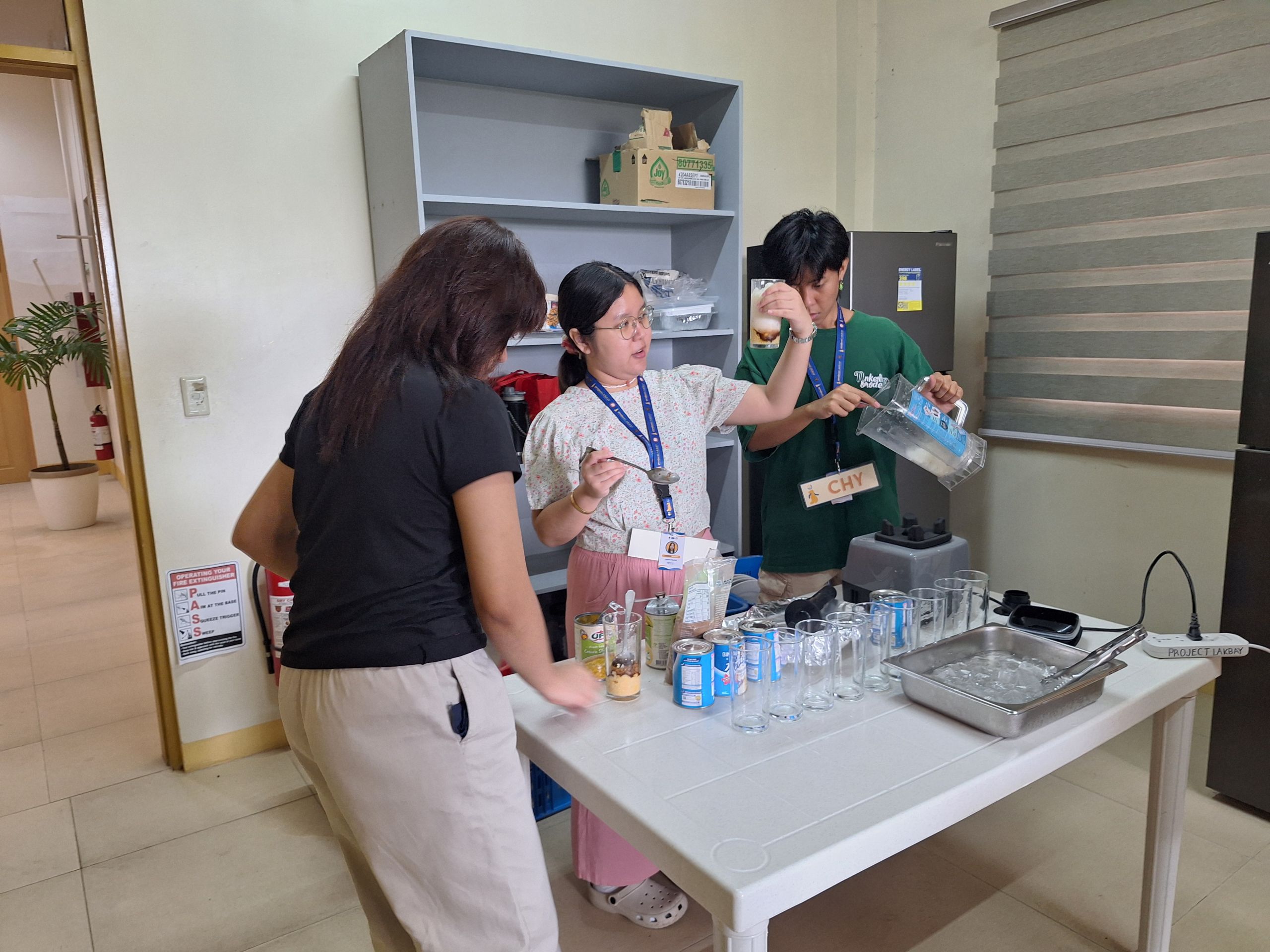
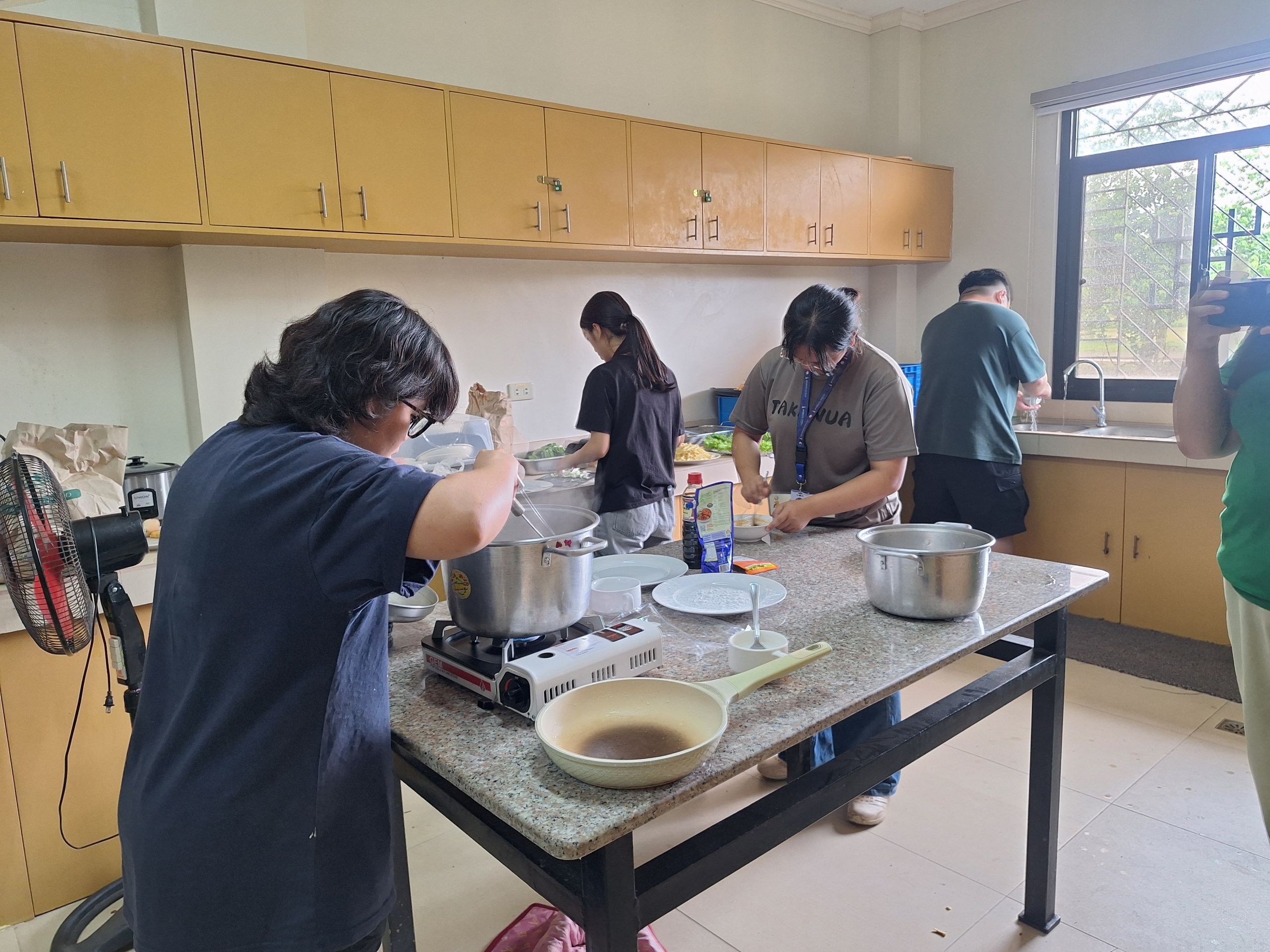
Cultural exchange is another key part of the experience, as participants engaged in an intercultural cooking session that encouraged the sharing of traditions, stories, and local food among delegates.
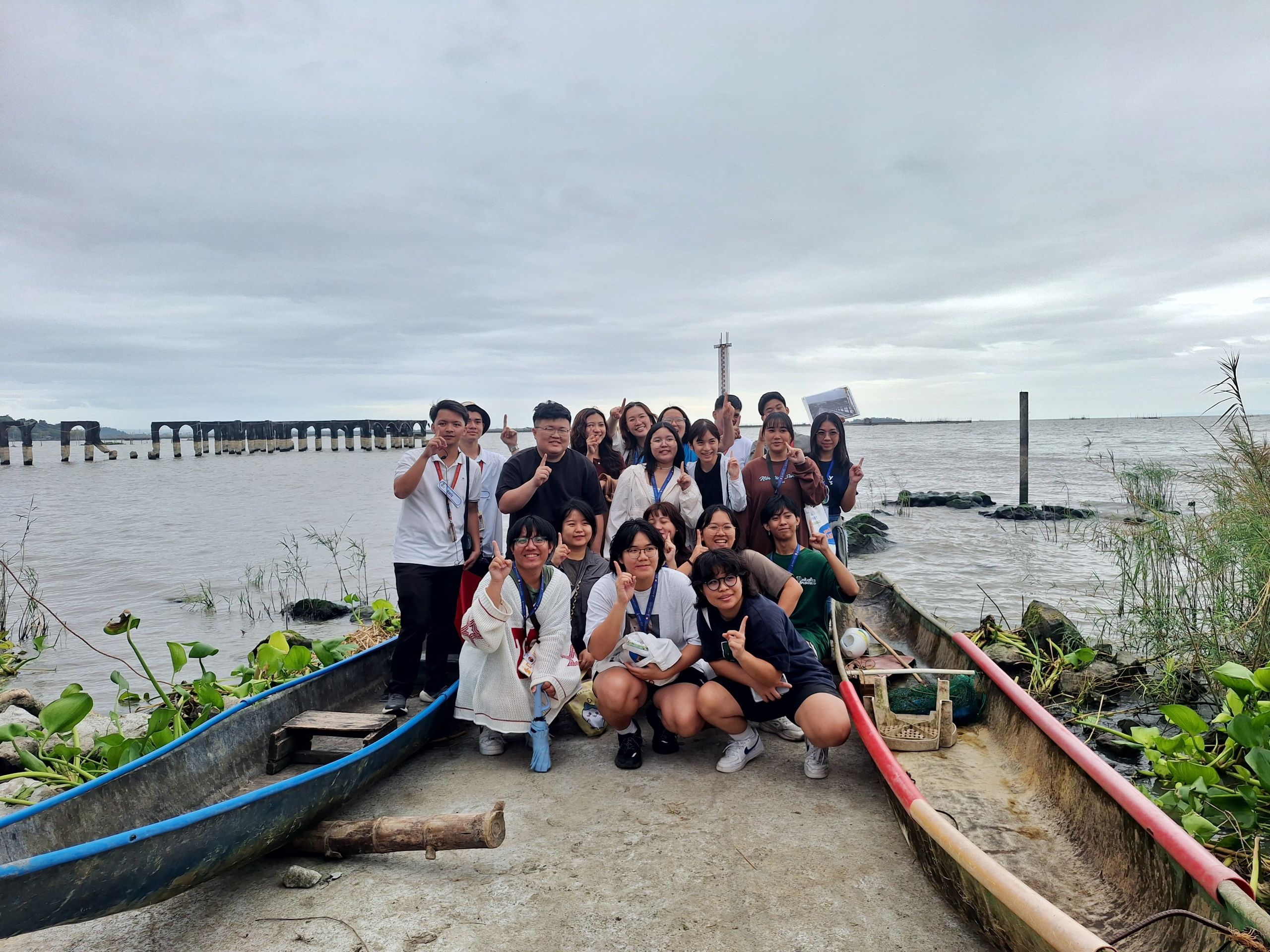
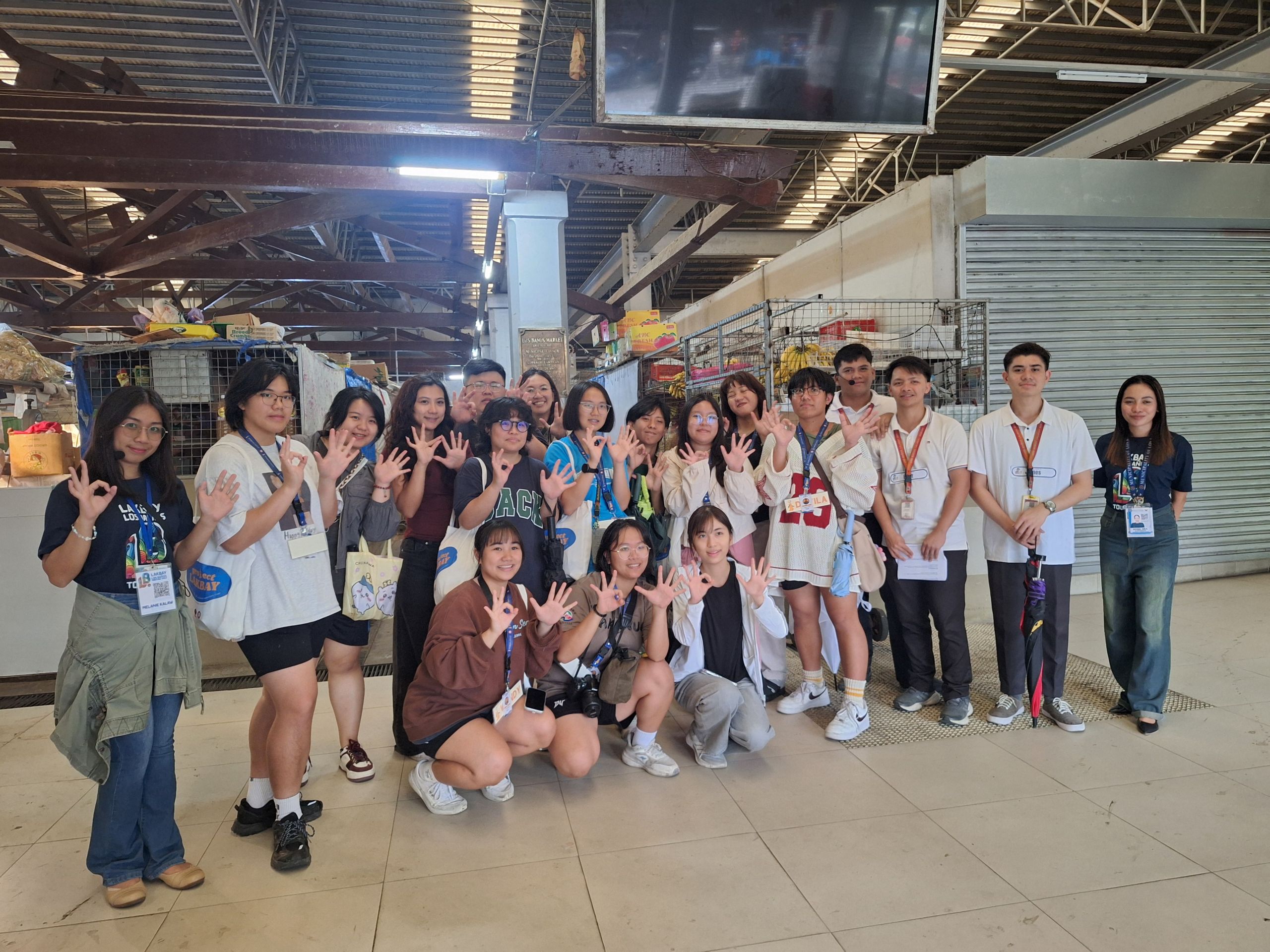
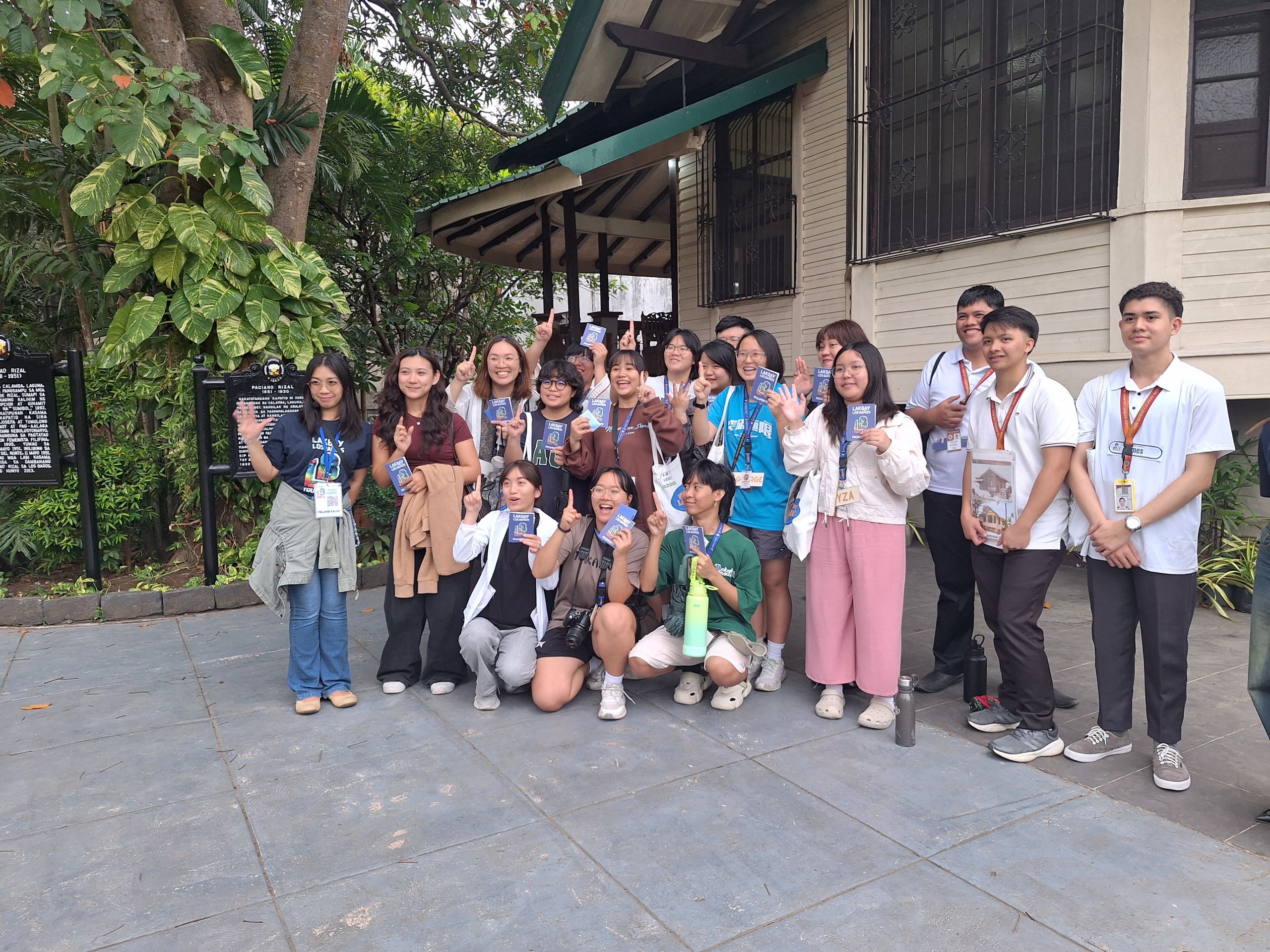
The group also explored the rich cultural and historical heritage of Los Baños, Laguna, gaining deeper appreciation for the community’s local identity, traditions, and tourism landmarks. These activities fostered camaraderie among participants while strengthening cross-cultural understanding and collaboration.
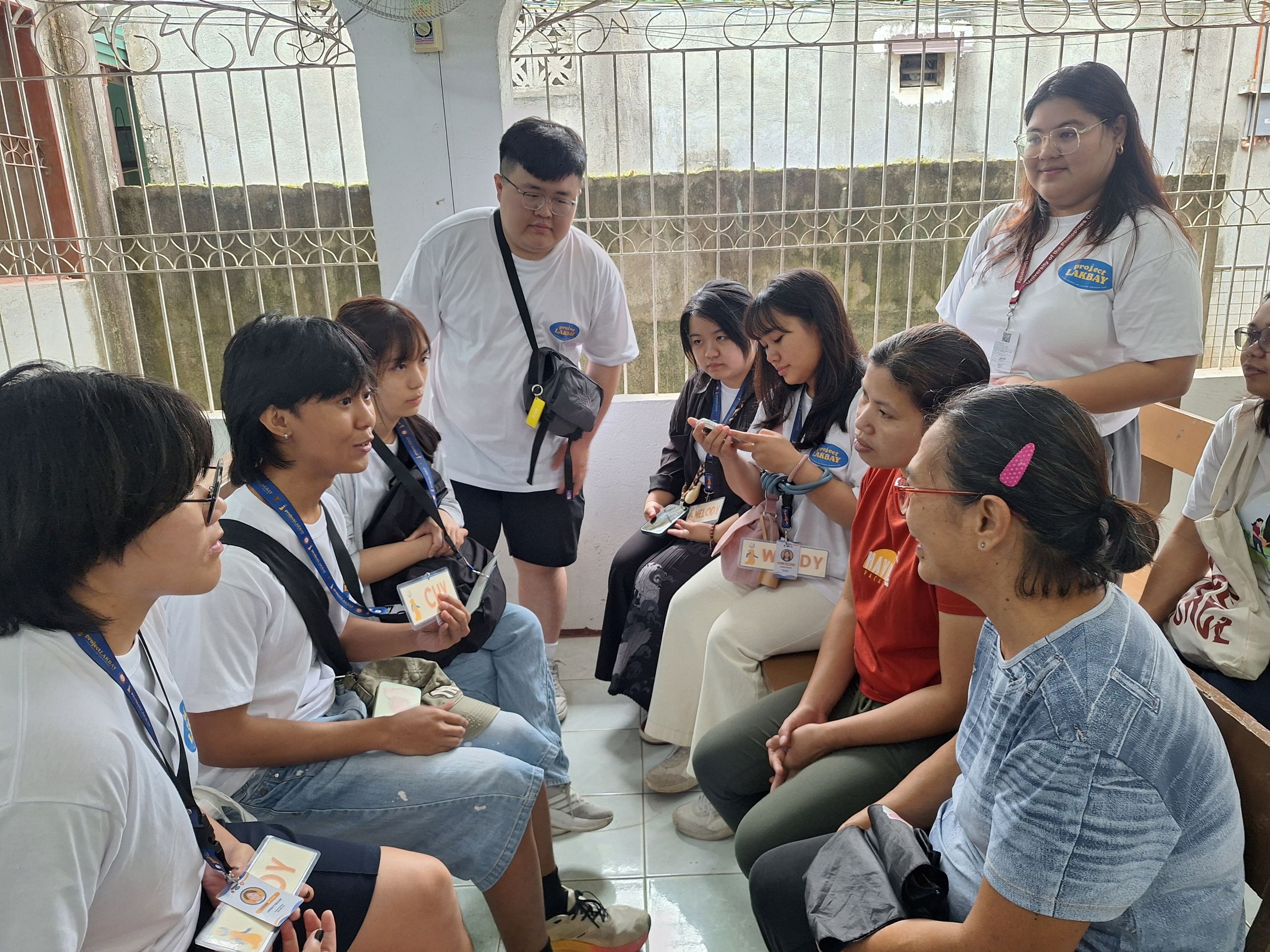
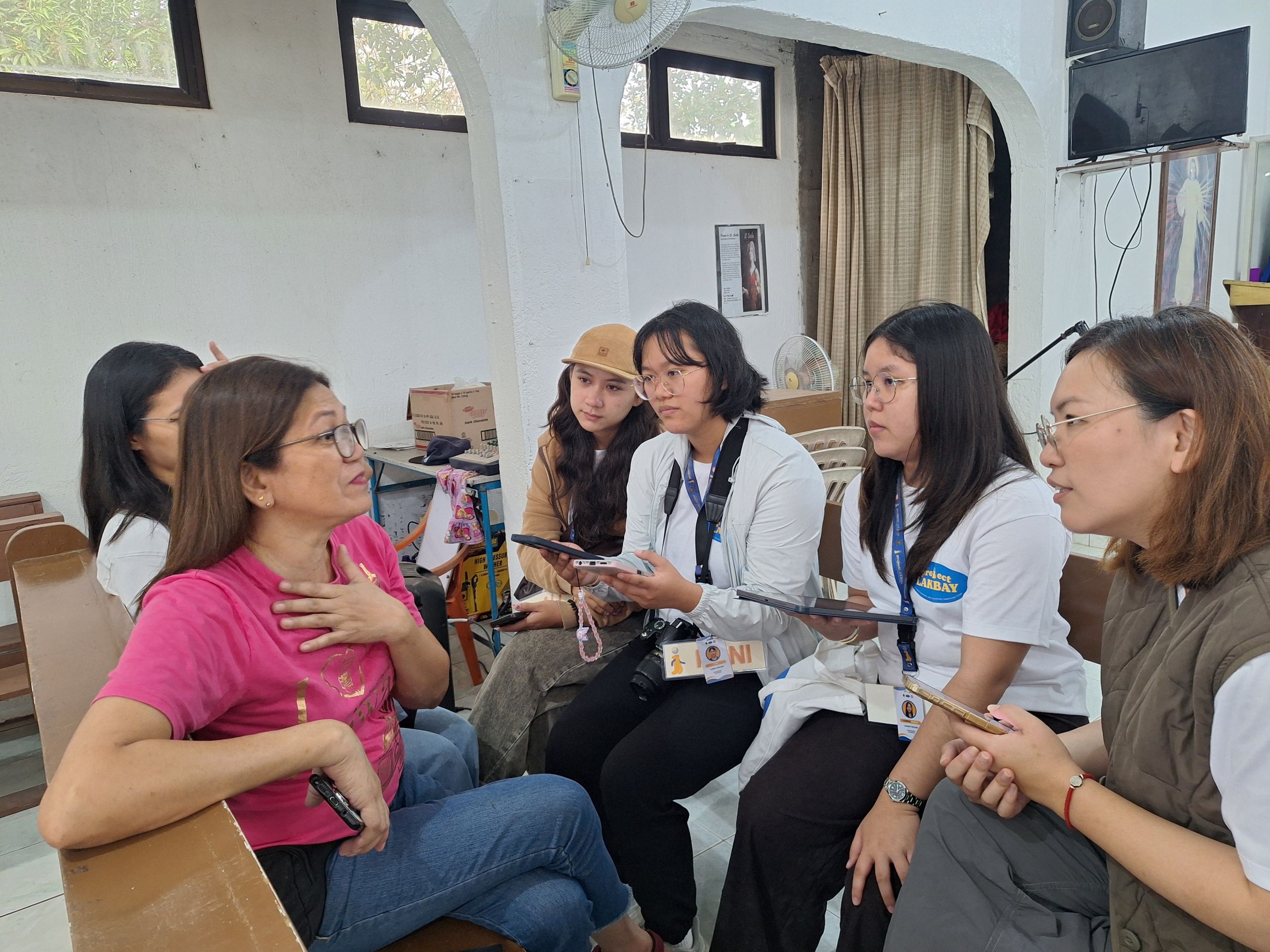
Project LAKBAY also placed emphasis on community engagement through its interaction with the San Antonio Women’s Brigade, one of UPOU’s community partners. The engagement provided participants with an opportunity to interact with community members, learn from their experiences, and gain insights into the roles and contributions of women in their community. Through this exchange, the project emphasized the importance of community participation, shared learning, and recognizing local knowledge and initiatives.
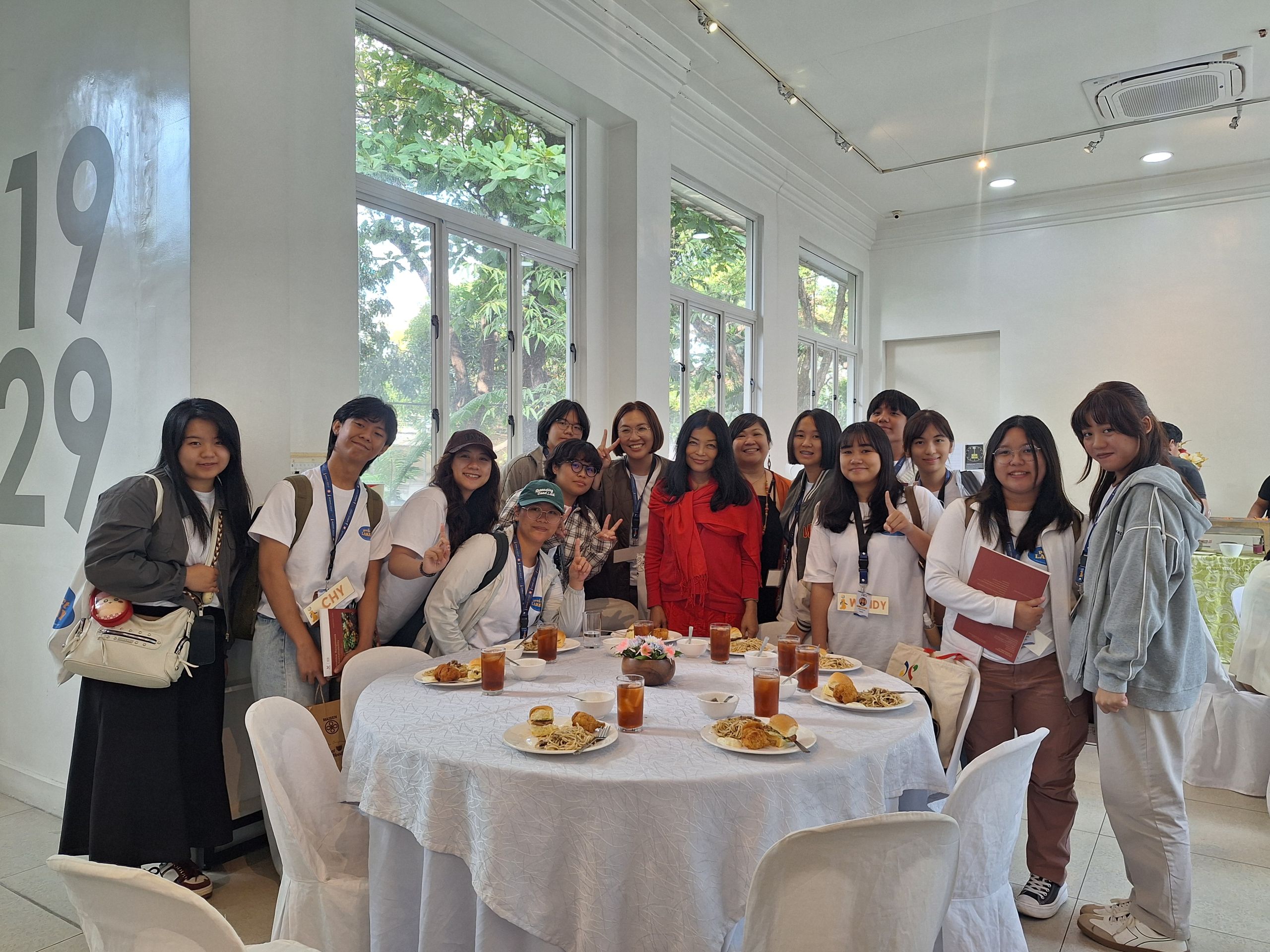
Sustainability advocacy was further reinforced through the Green Guide Launch at the University of the Philippines Manila, a project led by UPOU and the Asia Europe Foundation Culture (ASEF). The event introduced participants to the organizations utilizing creative practices to support ecological resilience, social equity, and long-term sustainability. It also presented recommendations aimed at strengthening knowledge-sharing networks, preserving cultural practices, integrating creative approaches into policy development, addressing regional gaps, supporting intergenerational initiatives, and encouraging partnerships between the arts and sectors such as agriculture, disaster response, and urban planning.
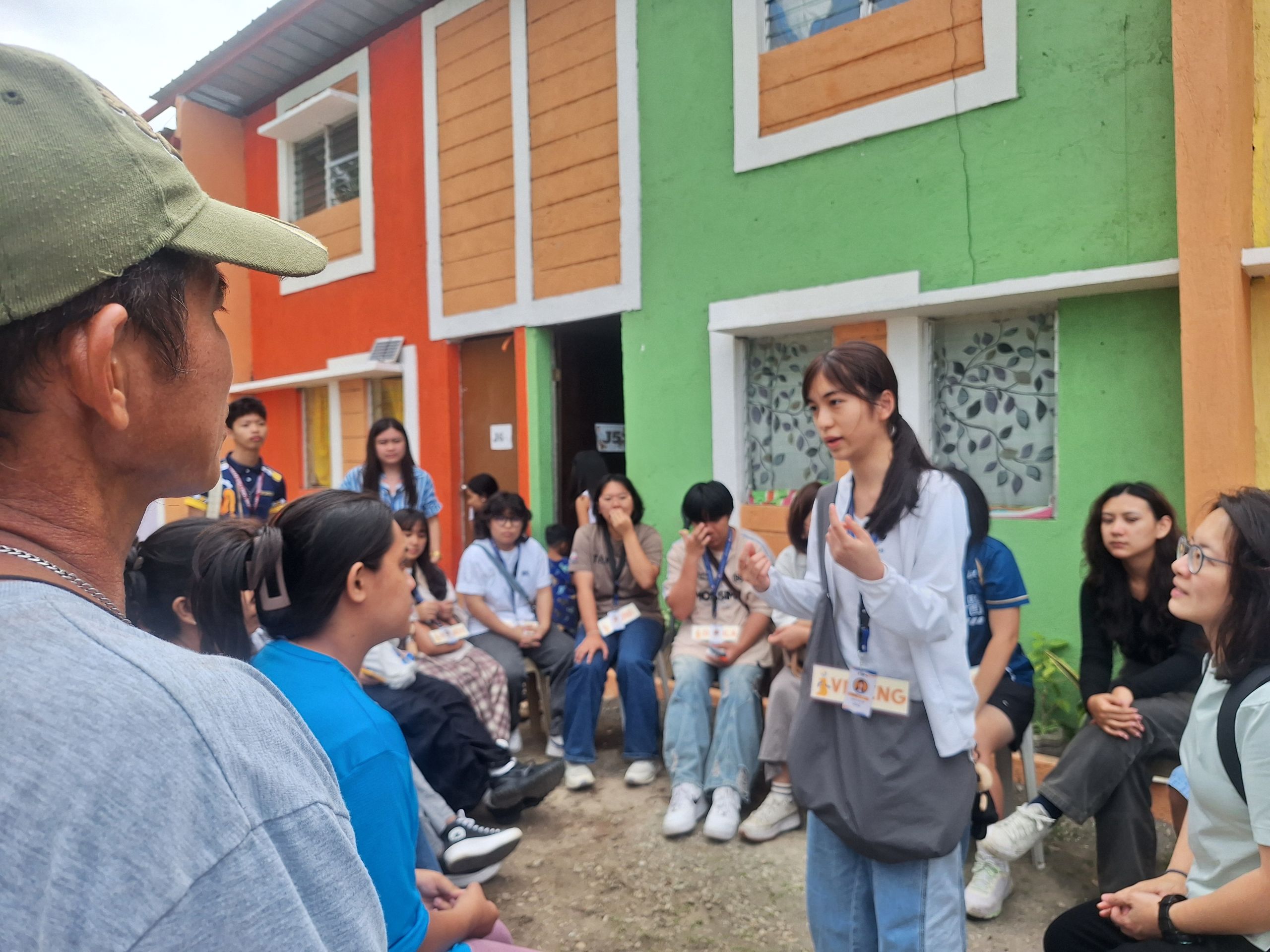
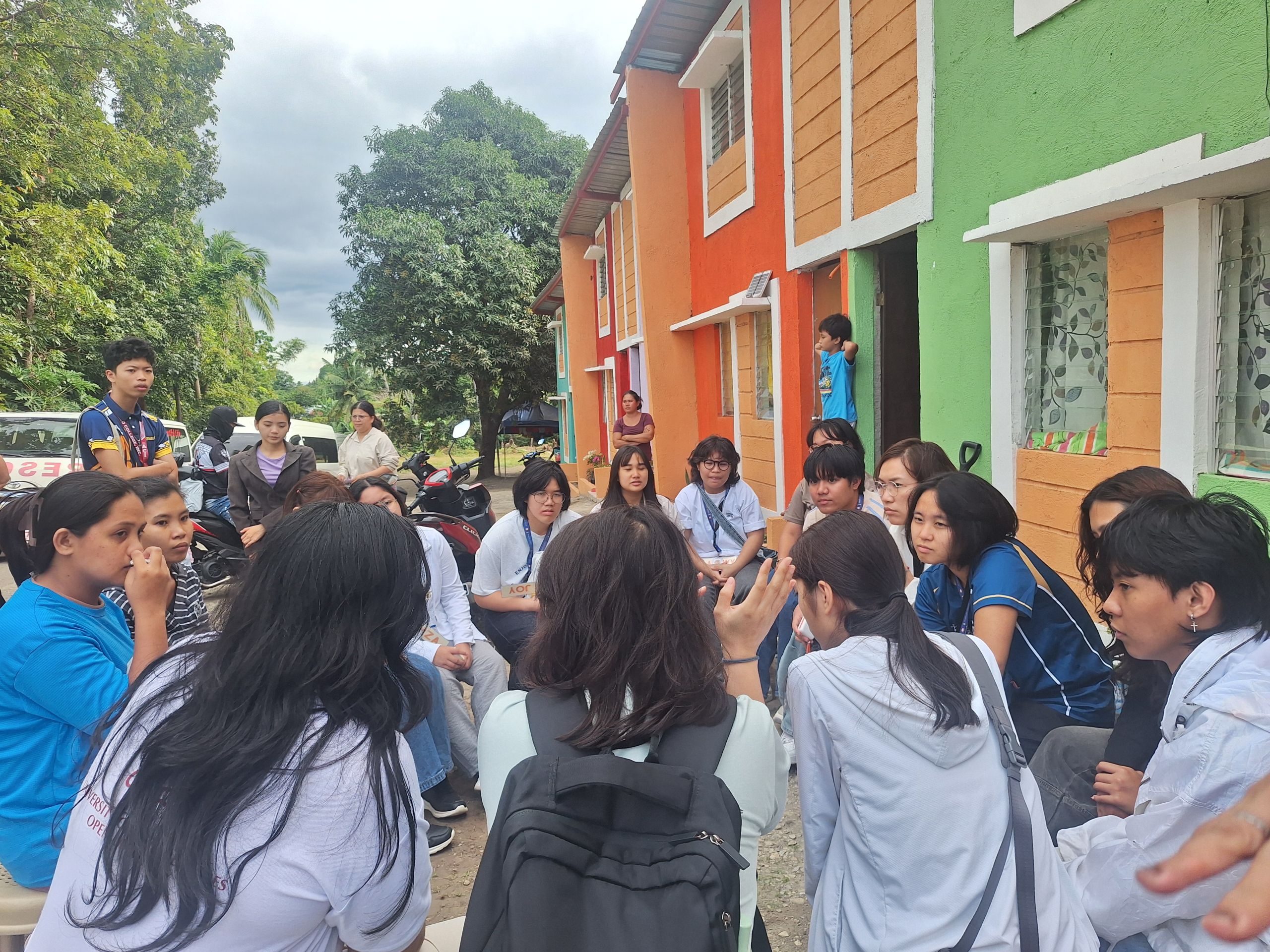
Field visits to communities in Batangas provided another dimension to the participants’ learning experience, particularly in understanding local governance, disaster preparedness, and community resilience.
In the Municipality of Agoncillo, they learned about the municipality’s disaster preparedness programs, gaining insights into community resilience and local governance. During the visit, local officials and Municipal Disaster Risk Reduction and Management (MDRRM) officers provided an in-depth orientation on Agoncillo’s disaster preparedness initiatives. The discussion highlighted community-based early warning systems, evacuation protocols, climate adaptation strategies, and post-disaster recovery programs implemented in response to past natural hazards.
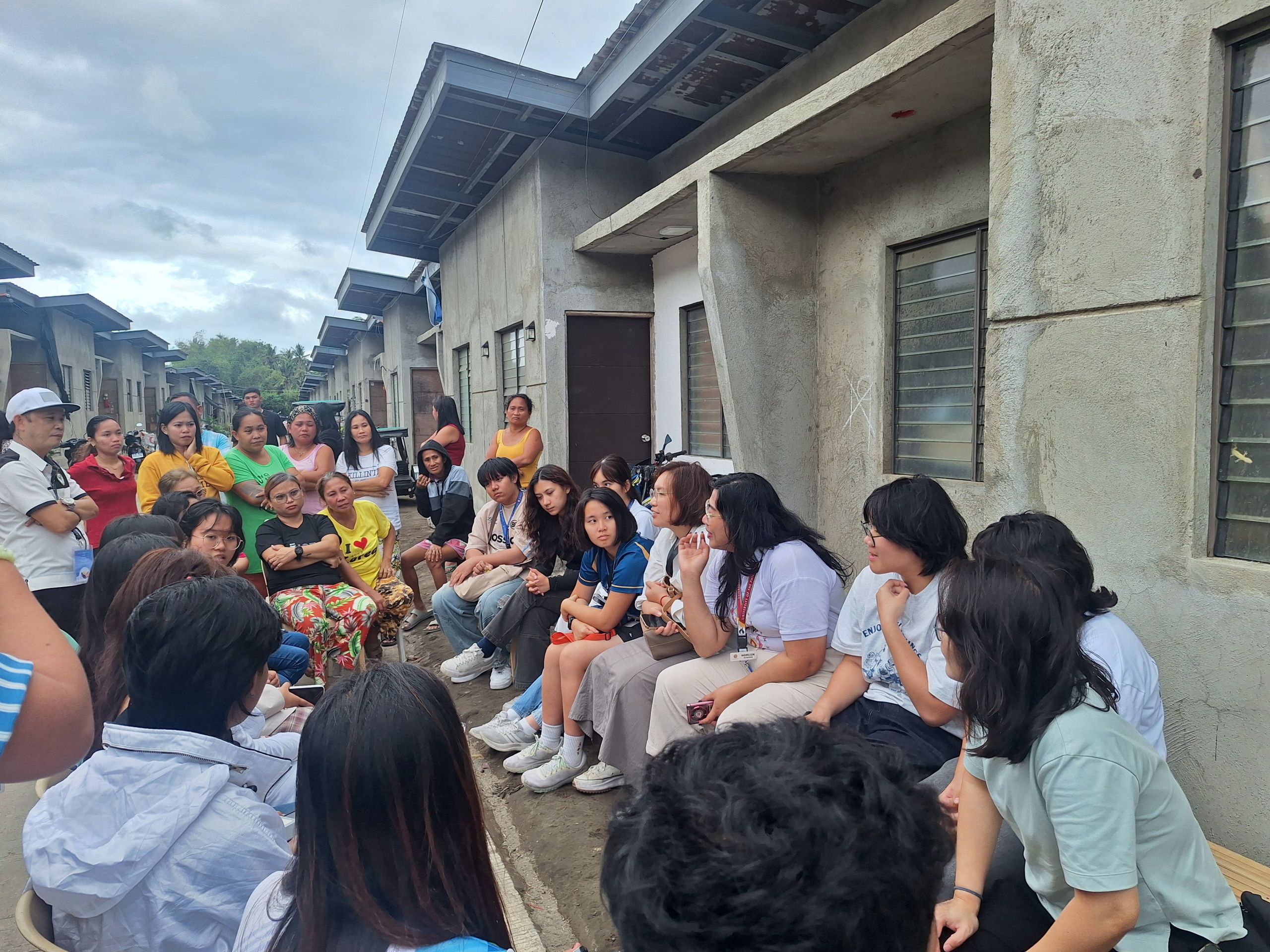
A significant part of the visit was the engagement with community members who were relocated following a series of disasters that affected the municipality. These residents shared firsthand experiences of evacuation, rebuilding livelihoods, and adjusting to new environments after being displaced by volcanic unrest and severe typhoons. They spoke candidly about the emotional and economic challenges of relocation, as well as the support mechanisms provided by the local government and partner organizations to help them recover and rebuild.
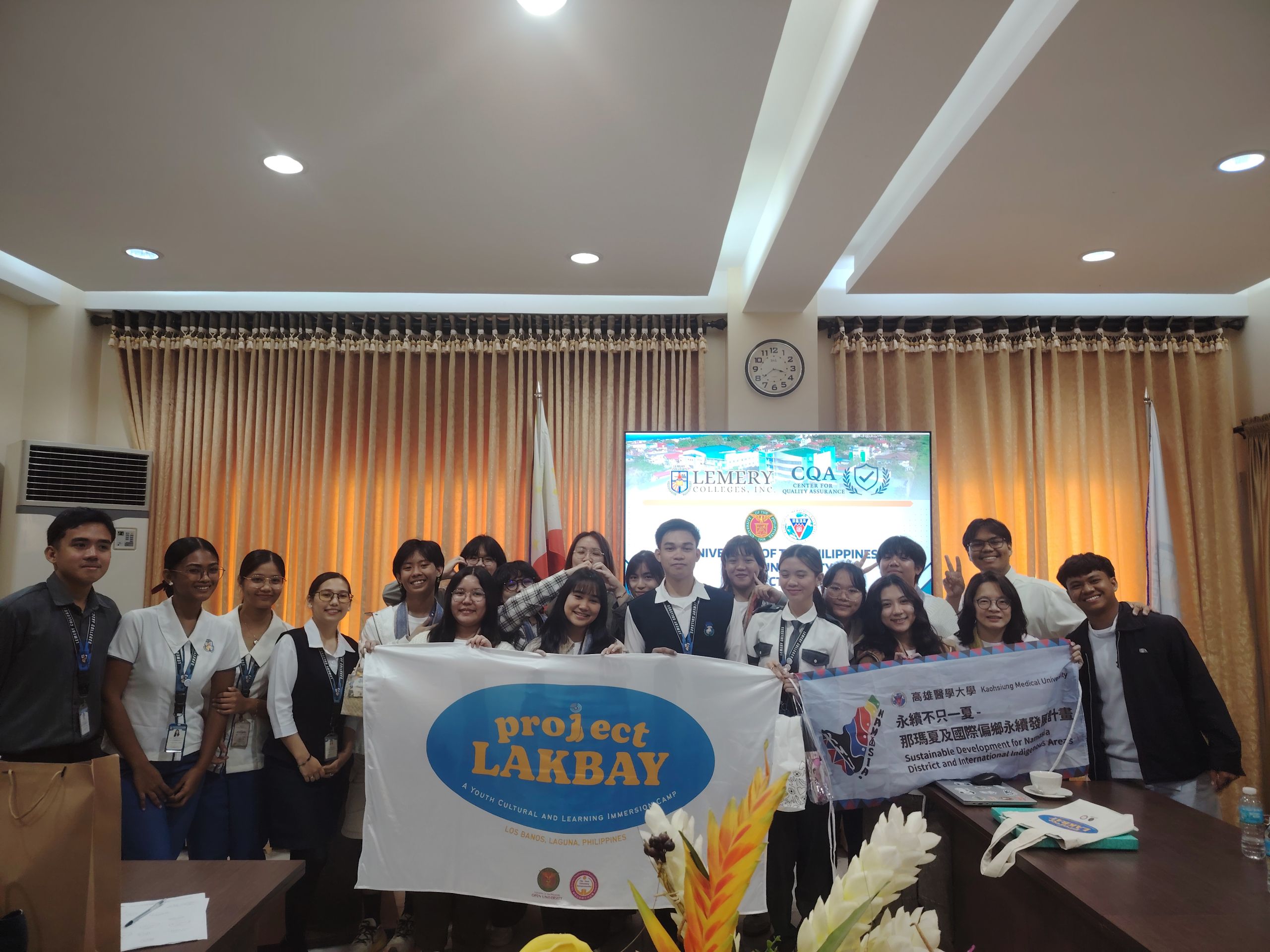
Another highlight of the program was the visit to Lemery Colleges, which provided a platform for meaningful engagement between students and delegates. Through discussions and cultural exchanges, participants shared their perspectives, experiences, and ideas, fostering intercultural understanding, collaboration, and meaningful dialogue.
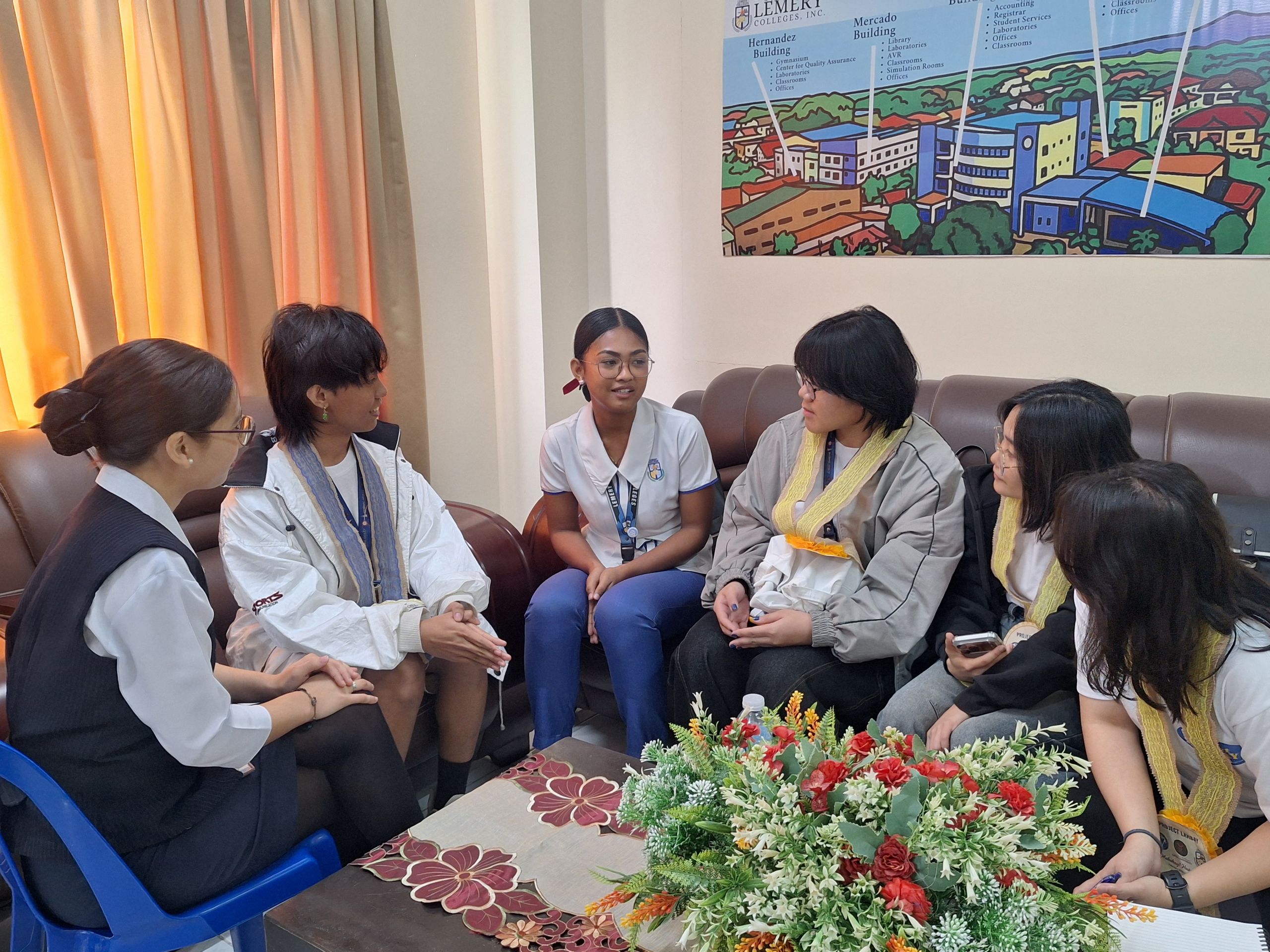
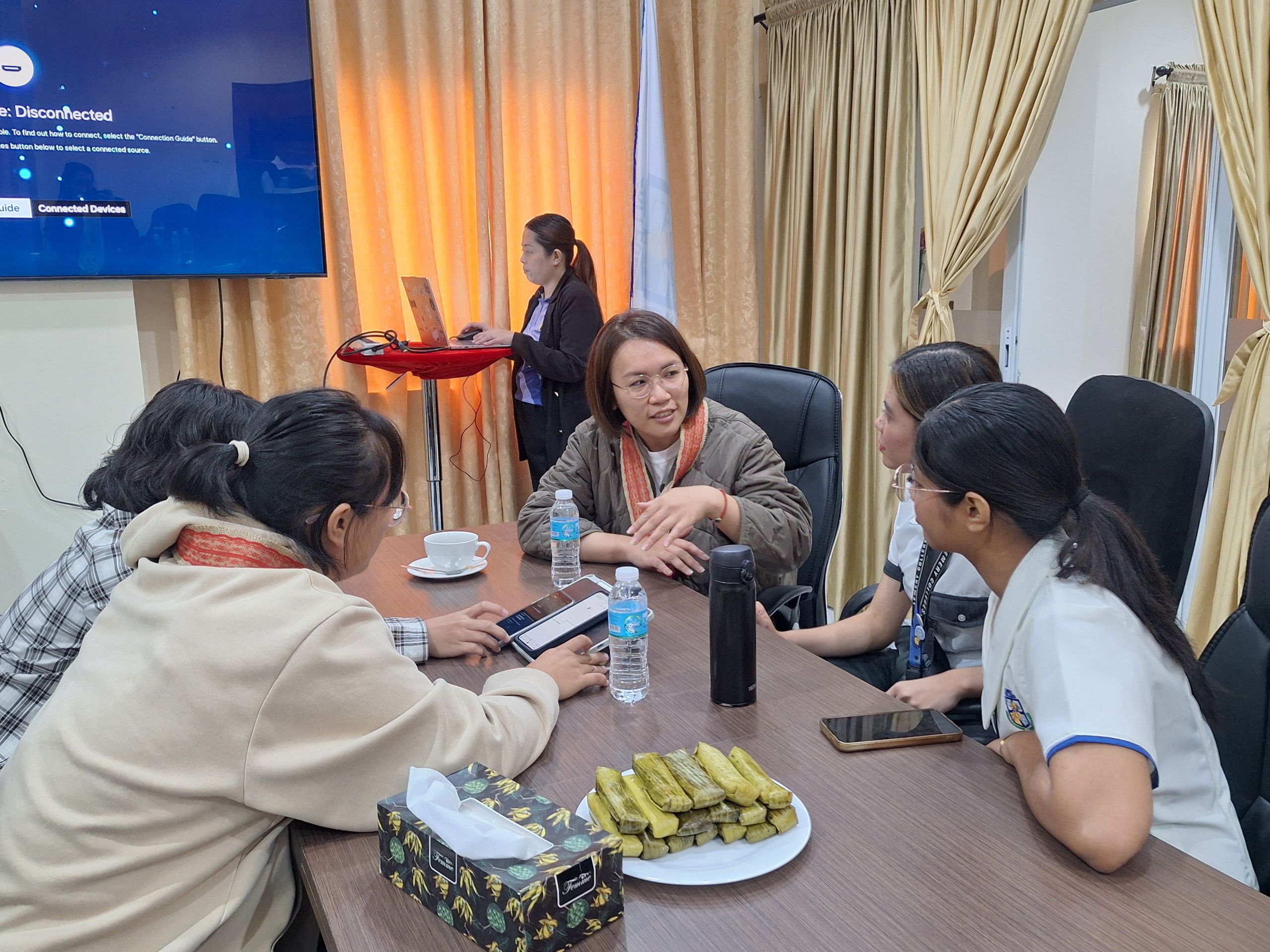
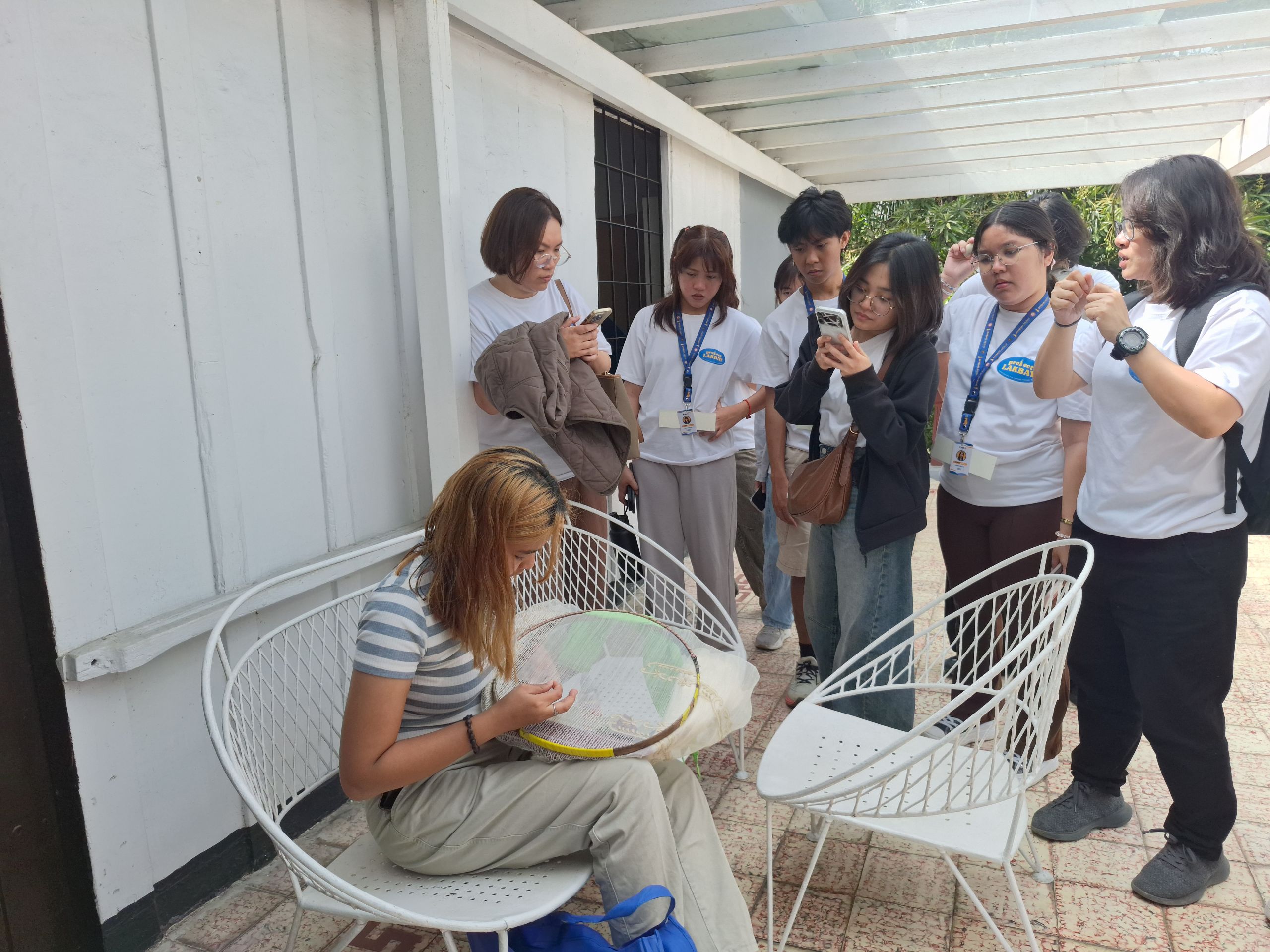
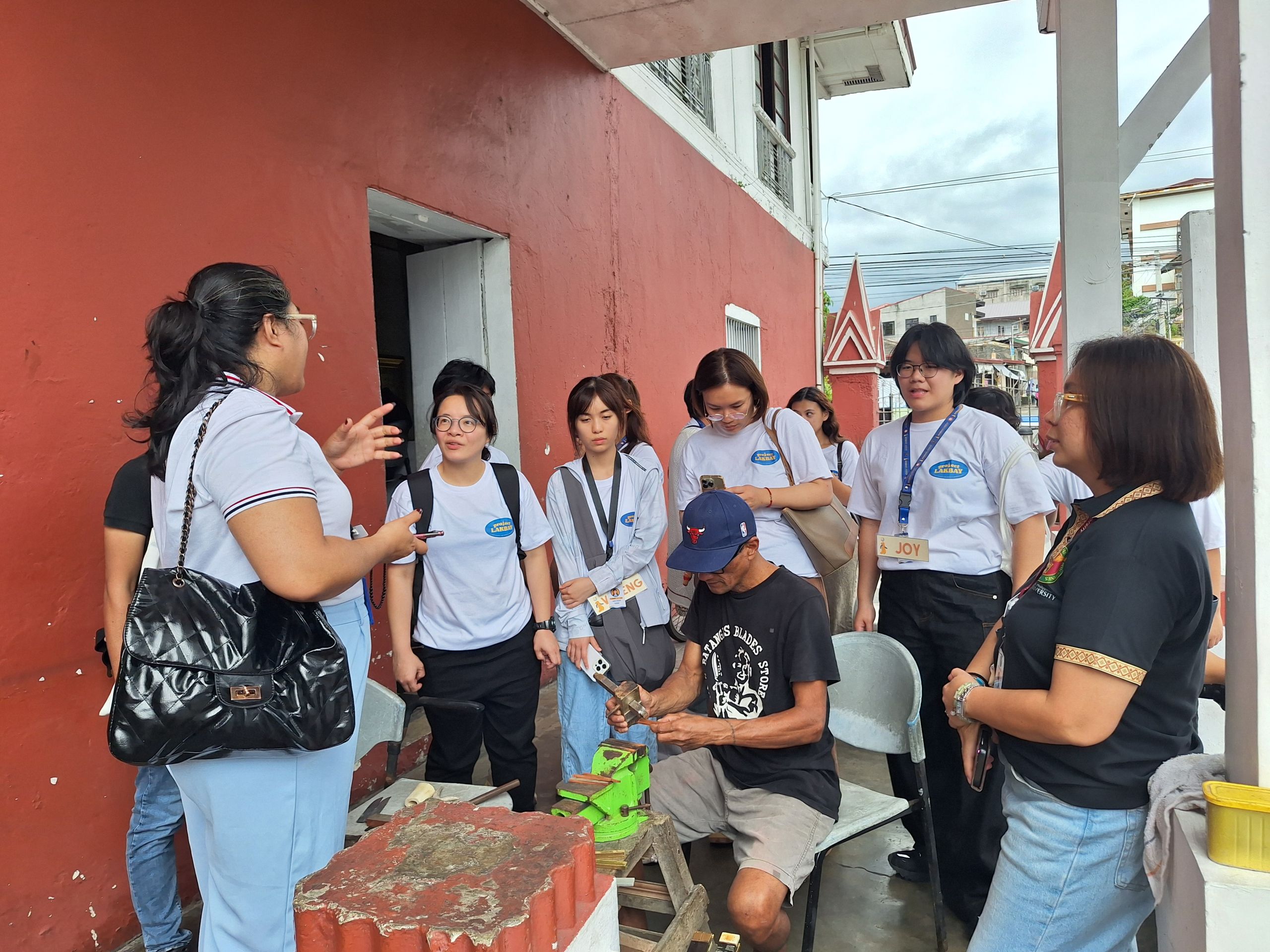
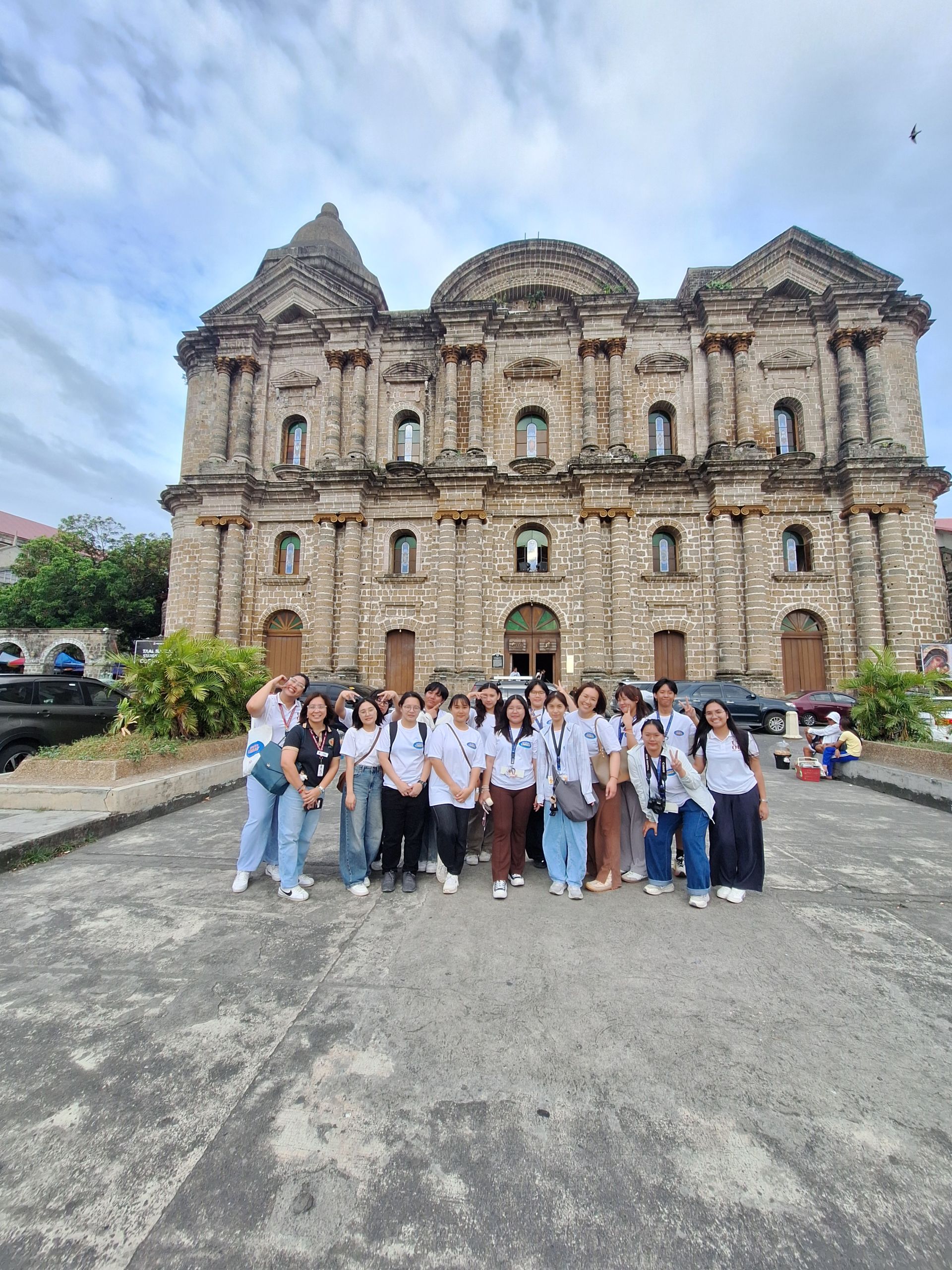
The visit concluded with a cultural visit at Taal, Batangas, where participants immersed themselves in the town’s heritage and traditions. Together, these activities broadened understanding of local initiatives and strengthened connections between institutions and communities.
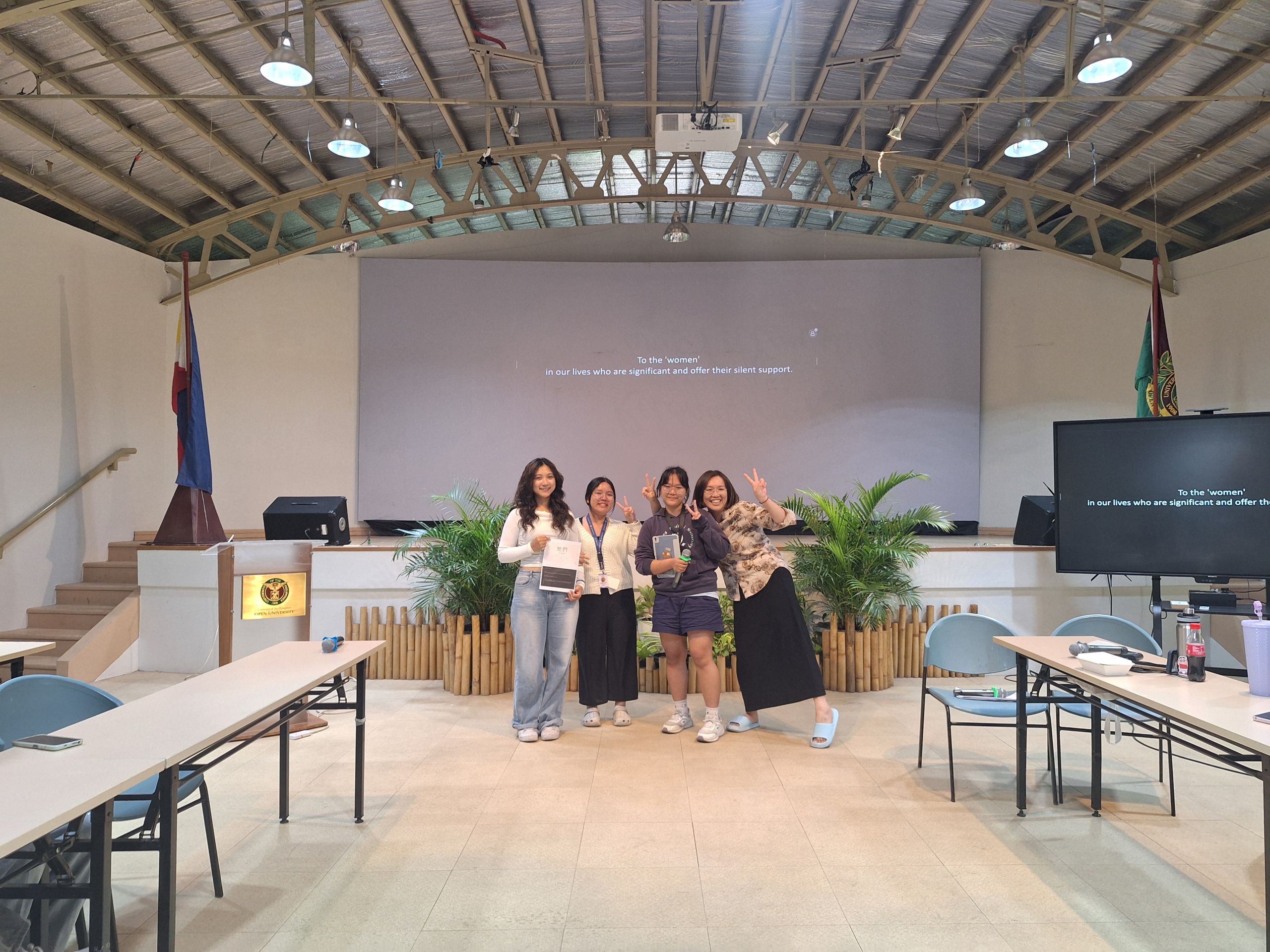
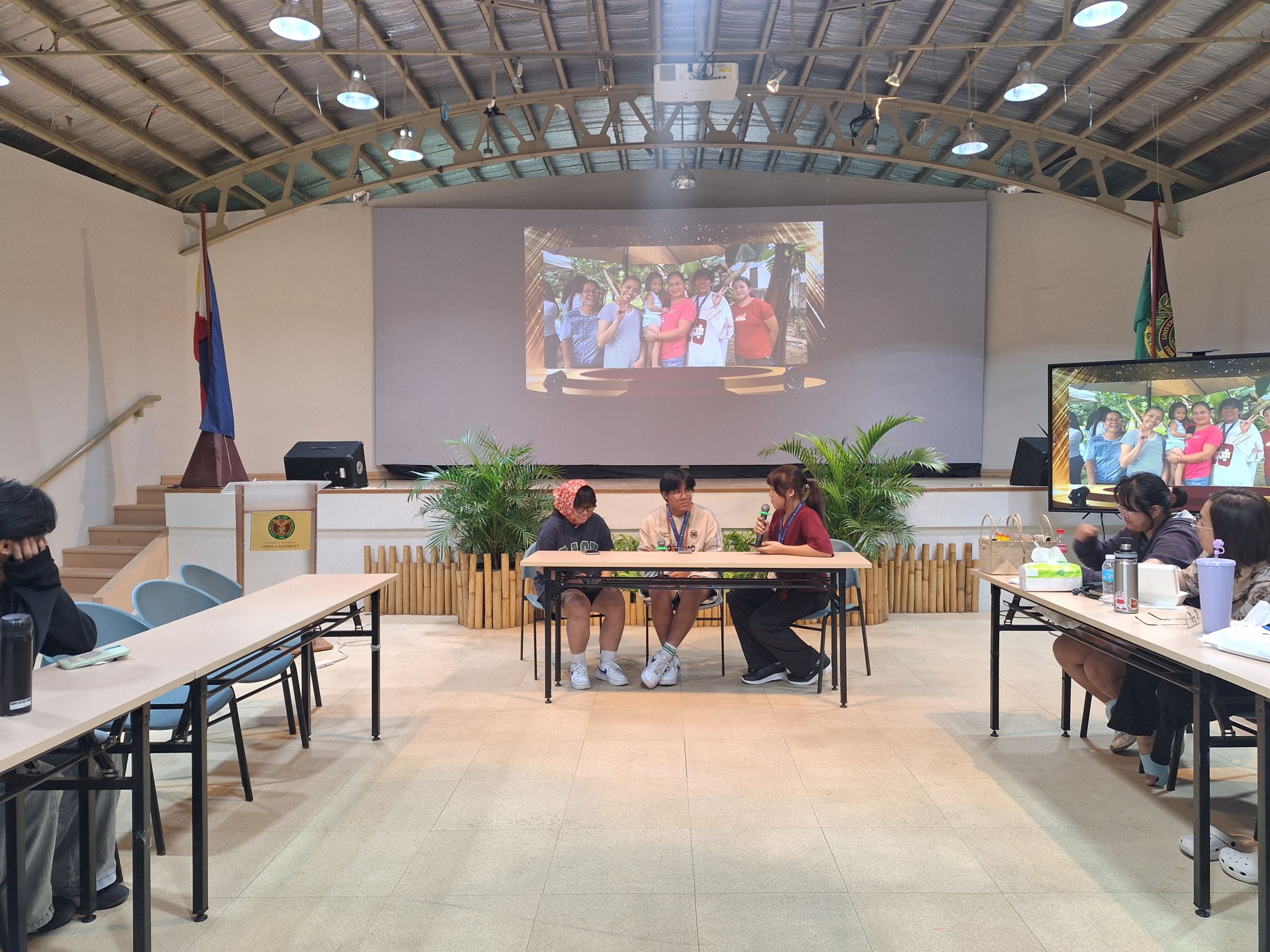
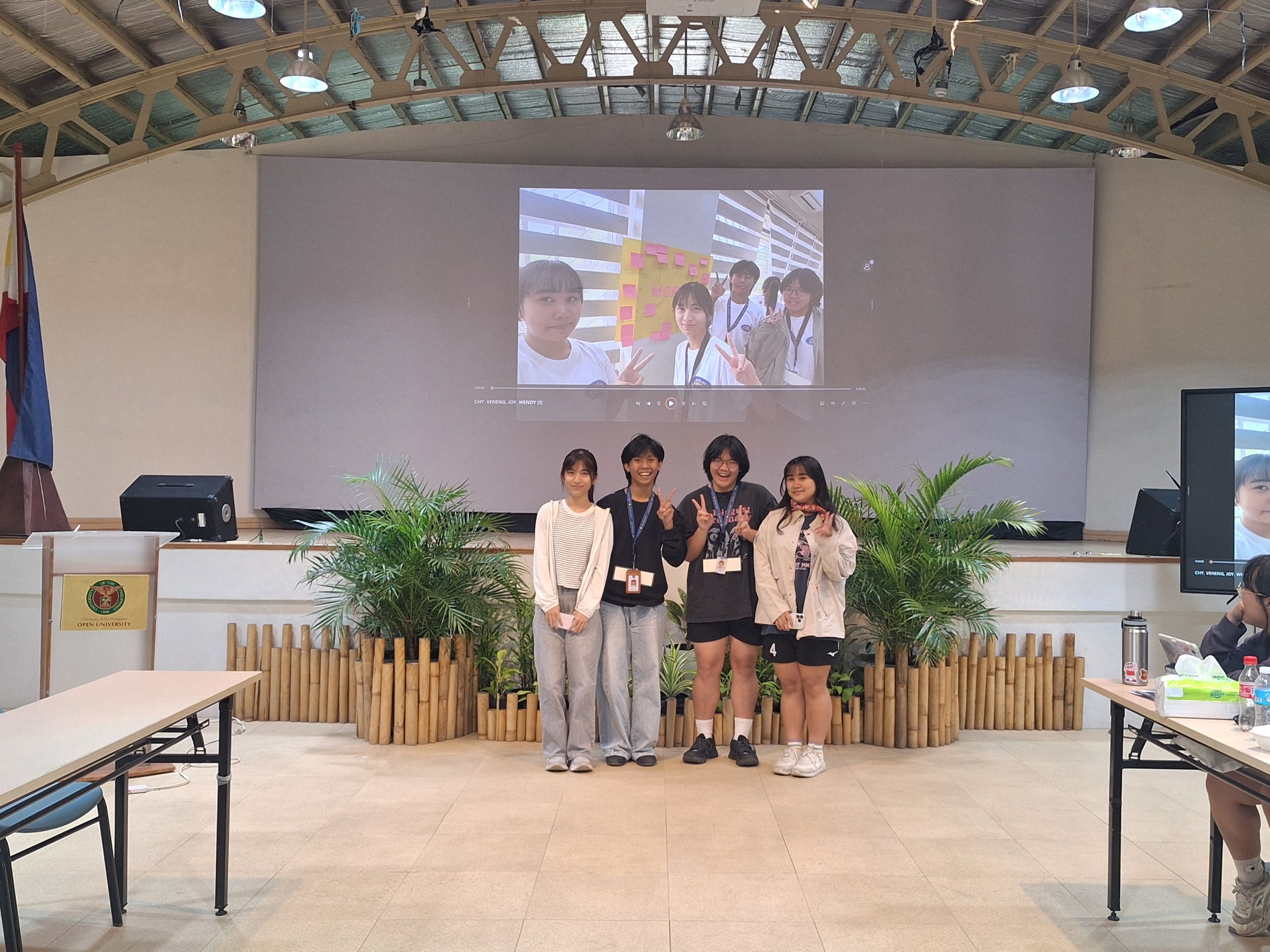
The program culminated with presentations of participants’ final outputs, where Filipino and Taiwanese fellows creatively showcased their learning through role plays, performances, and a talk show-inspired presentation. A recognition ceremony and a farewell party marked the conclusion of the camp, celebrating achievements, friendships, and cross-cultural collaboration.
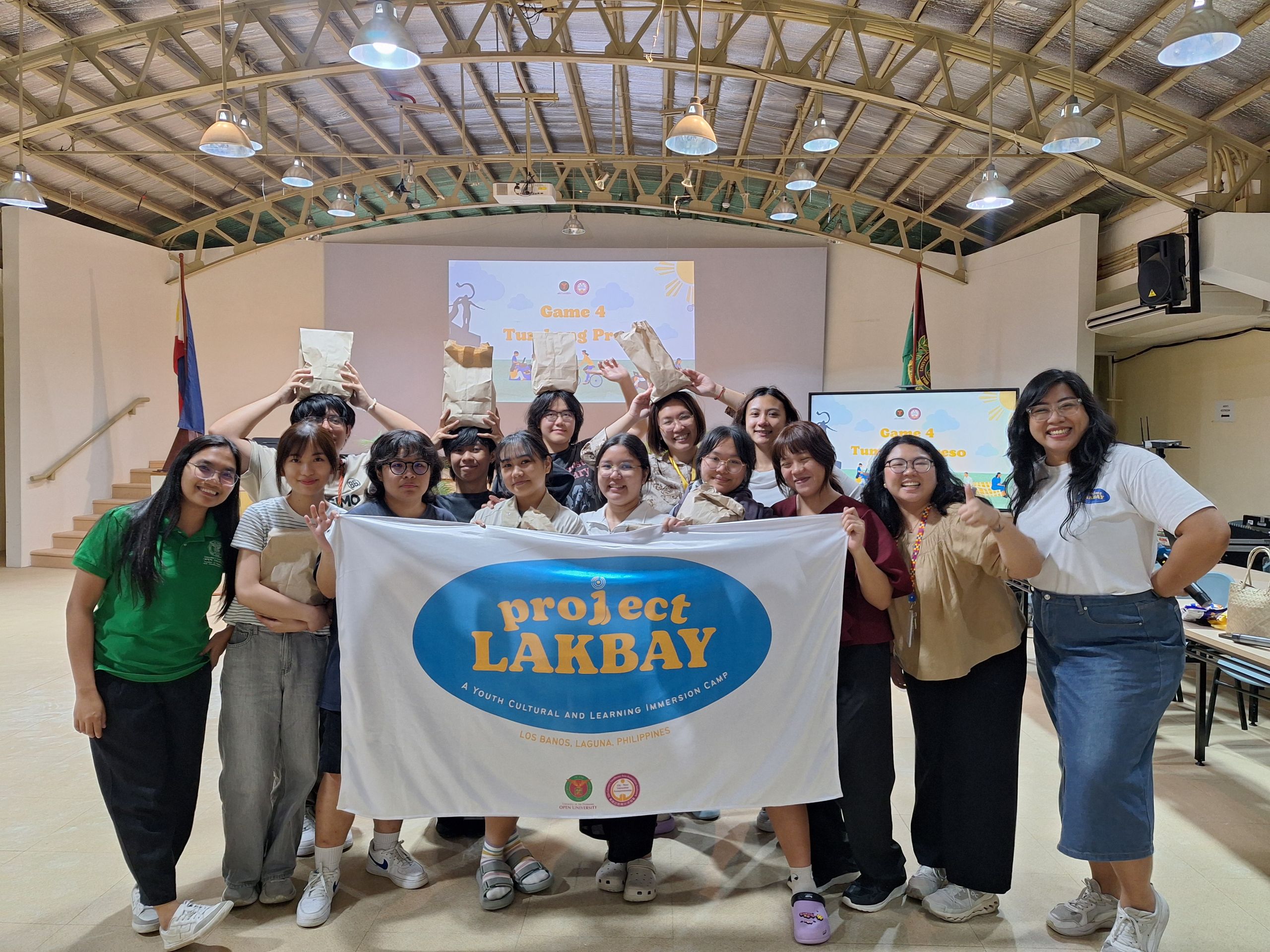
Overall, Project LAKBAY 2026 demonstrated the value of experiential learning, cultural immersion, and community engagement, leaving participants with meaningful insights, strengthened networks, and a deeper appreciation for sustainability, science, and local heritage.
This initiative aimed to support the attainment of the following Sustainable Development Goals (SDG) including Good Health and Well-being (SDG 3), Quality Education (SDG 4), Industry, Innovation, and Infrastructure (SDG 9), Sustainable Cities and Communities (SDG 11), Responsible Consumption and Production (SDG 12), Climate Action (SDG 13), and Partnerships for the Goals (SDG 17).
Written by: Noreen Dianne S. Alazada & Vanessa T. Autor • Edited by: Larry N. Cruz
Sustainable Development Goals



FMDS Socials